






The Allure of the 'Health Halo'
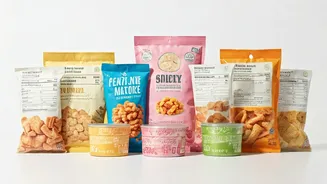
Food manufacturers are experts in marketing. They use a tactic called "health washing," which creates a 'health halo' around a product. This involves using earthy colours, images of farms or nature, and specific buzzwords to make a product seem healthier
than it is. Words like "natural," "organic," or "multigrain" can trick our brains into thinking a product is a good choice, causing us to ignore the actual nutritional information. For instance, recent actions by India's food regulator, FSSAI, have flagged several brands for using misleading terms like "healthy" in their names or on their packaging, proving this is a widespread issue.
Decoding Common Buzzwords
The front of the package is prime marketing real estate, often filled with claims that are technically true but ultimately misleading. "Multigrain" simply means more than one type of grain is used; it doesn't mean they are whole grains. "Gluten-free" is essential for those with celiac disease, but for others, it doesn't automatically equal healthy—a gluten-free cookie is still a cookie, often made with refined flours and sugar. Similarly, a "low-fat" product might compensate for the lack of fat by adding extra sugar to maintain taste. The term 'organic' is also frequently used, but an organic biscuit can still be high in sugar and refined carbohydrates.
Your Best Tool: The Ingredient List
The single most powerful tool you have is the ingredient list, which is regulated and lists components by weight, from most to least. A good rule of thumb is to check the first three ingredients; if sugar, refined flour (like maida), or hydrogenated oils are at the top, the product is likely not as healthy as it seems. Be wary of long lists filled with chemical names you can't pronounce, such as emulsifiers, stabilisers, or flavour enhancers like MSG. These are common markers of ultra-processed foods (UPFs), which are industrial formulations you wouldn't make in a home kitchen.
Watch for Hidden Sugars
Food companies are creative when it comes to hiding sugar. It can appear under dozens of different names. Look for words like high-fructose corn syrup, dextrose, maltose, sucrose, malt syrup, cane juice, or fruit juice concentrates. If a product lists three or four different types of sugar, it's a clear red flag. To put it in perspective, one teaspoon of sugar is about 4 grams. Check the "Added Sugars" line on the nutrition label to see how much is being put in during processing, as opposed to sugars that occur naturally in ingredients like fruit or milk.
Check the Nutrition Facts Panel
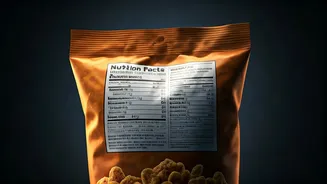
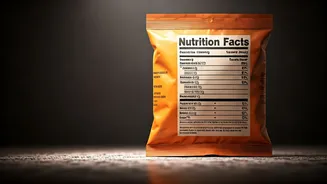
After the ingredient list, the nutrition facts panel tells the rest of the story. Pay close attention to the serving size, which can be deceptively small. A small bag of chips might seem low in calories until you realise the package contains three servings. When comparing products, use the 'per 100g' column for a fair comparison. Focus on key nutrients: aim for higher fibre and protein, and lower added sugars, sodium, and saturated fats. A snack claiming to be "baked, not fried" can still be very high in sodium and refined carbohydrates.