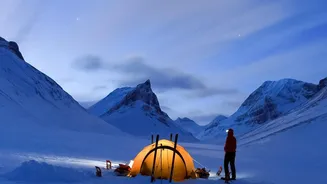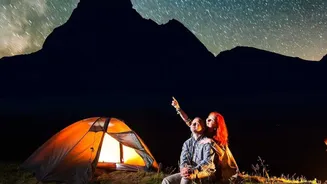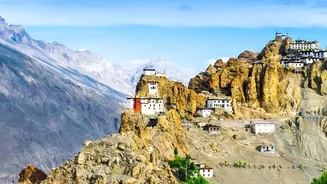

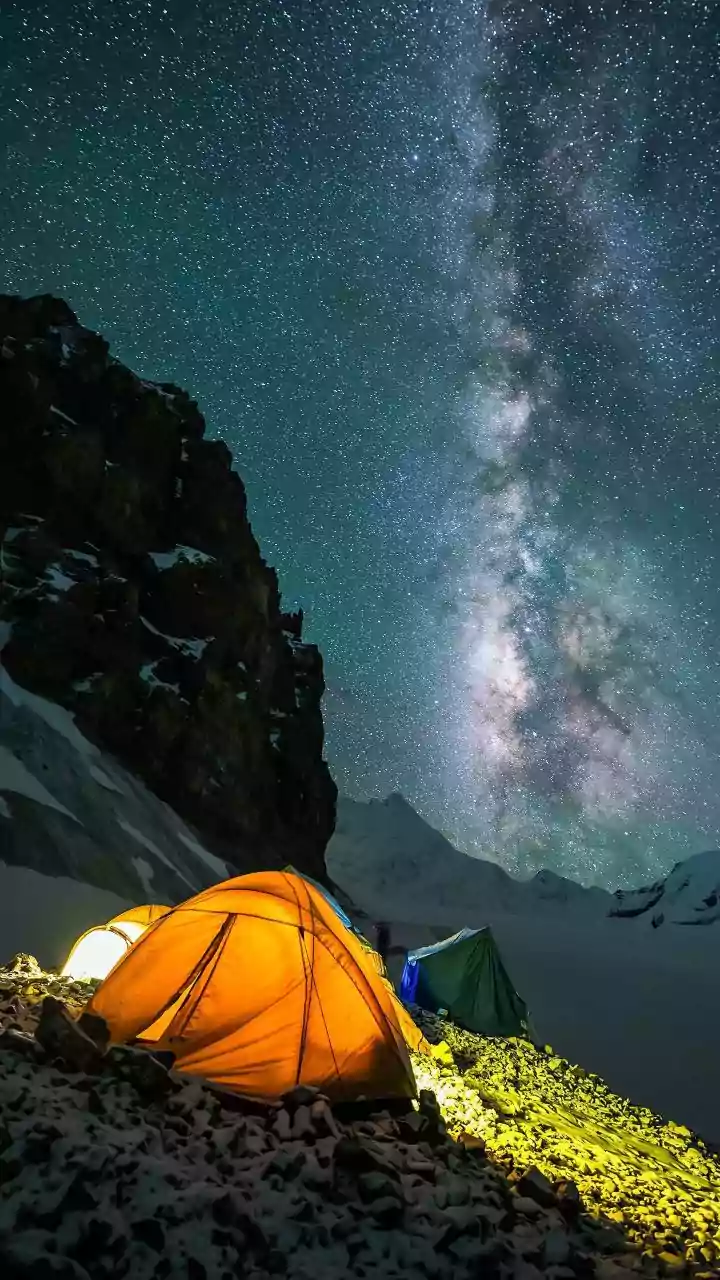
The Challenge: A Spiti Winter Night
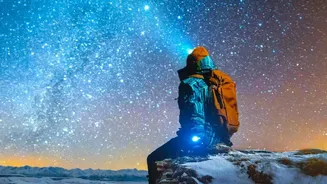
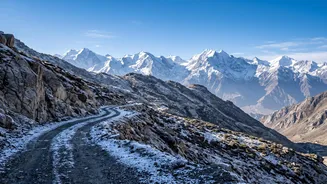
Spiti in winter is not just cold; it's a high-altitude desert where night temperatures can plummet to -25°C or even -30°C. When you're standing still for hours to capture star trails or the Milky Way, this extreme cold poses a serious risk. The primary
challenge isn't just the ambient temperature but also the wind chill, which can make it feel significantly colder. Without the right protection, you risk not only discomfort but also frostbite and hypothermia, which can end a photography trip before you get the perfect shot. Understanding these stakes is the first step toward preparing effectively.
The Foundation: Your Base Layer
The entire system starts with what's next to your skin. The single most important function of a base layer is not to warm you, but to wick sweat away from your body. Even in the freezing cold, setting up gear can make you perspire. If that moisture stays on your skin, it will chill you rapidly. For this reason, cotton is your worst enemy; it holds moisture and accelerates heat loss. Instead, opt for materials like merino wool or synthetic fabrics such as polyester. Merino wool is a favourite among seasoned adventurers for its excellent moisture-wicking ability, natural odour resistance, and capacity to insulate even when damp. Synthetics are also great at wicking and dry very quickly. This layer should be snug, but not constricting.
The Engine: Your Insulating Mid-Layer
This is your primary warmth layer. The goal of the mid-layer is to trap the heat your body generates. The key is creating pockets of still air, which is an excellent insulator. Common materials include fleece, down, and synthetic fills. Fleece is a reliable, breathable, and affordable option. For serious cold, nothing beats the warmth-to-weight ratio of a good down jacket. It's highly compressible, making it easy to pack. However, down loses its insulating properties when it gets wet. This is where synthetic insulation comes in; it's designed to mimic down but continues to provide warmth even when damp, making it a safer bet in potentially snowy or humid conditions. For Spiti's dry cold, a high-quality down jacket is often the top choice.
The Shield: Your Protective Outer Shell
The outer layer, or shell, is your fortress against the elements. Its job is not to provide insulation but to protect your insulating layers from wind and moisture. Wind is a major factor in heat loss, and a good windproof jacket is non-negotiable in Spiti. This layer should also be waterproof or highly water-resistant to shed any unexpected snow. Look for a 'hardshell' jacket that is breathable. If your outer layer doesn't breathe, moisture from your body will get trapped inside, compromising your entire layering system. Features like a large hood that can fit over a beanie, taped seams, and waterproof zippers add crucial extra protection against the biting Himalayan winds.
Don't Forget Extremities and Gear
Your core might be warm, but cold hands, feet, or head can make you miserable. For your hands, a two-glove system works best: thin liner gloves that allow you to operate your camera, worn under thick, waterproof mittens that you can easily remove. For your feet, wear a thin liner sock made of synthetic material or wool, with a thicker wool sock over it. Ensure your boots are insulated and waterproof. A warm woollen hat or beanie is critical, as you lose a significant amount of body heat through your head. A balaclava or neck gaiter protects your face and neck from windburn. Just as you protect yourself, protect your gear. Cold drains camera batteries extremely quickly. Keep at least two spare batteries in an inner pocket of your jacket, close to your body heat, to ensure they're ready when you need them.