





A Return to Our Roots
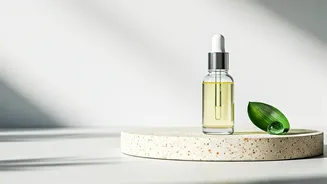
Walk down any beauty aisle today, and you'll see it. Sleek, minimalist bottles are now filled with ingredients that your grandmother might recognise from her kitchen: turmeric, saffron, sandalwood, and ashwagandha. This isn’t just a passing fad; it’s
a significant cultural shift. After years of chasing quick fixes with multi-step routines and lab-synthesised molecules, many are finding that the secret to healthy, radiant skin might have been in our heritage all along. The trend is a conscious move away from harsh, stripping chemicals and towards gentle, nourishing, and holistic practices. It represents a collective desire for authenticity and sustainability, seeking products that are not only effective but also rooted in a philosophy of overall well-being.
The Wisdom of Ayurveda
At the heart of this revival is Ayurveda, the ancient Indian system of medicine that has viewed beauty and wellness as intertwined for over 5,000 years. Unlike modern dermatology which often treats symptoms topically, Ayurveda takes a holistic approach. It posits that true beauty comes from a state of internal balance. According to its principles, our unique constitution, or 'dosha' (Vata, Pitta, Kapha), determines our skin type and its needs. A skincare routine, therefore, should be personalised to balance one’s specific dosha. This philosophy teaches that what you put on your body is just as important as what you put in it. Skin is seen not as a surface to be corrected, but as a reflection of your inner health, diet, and state of mind.
Ancient Ingredients, Modern Jars
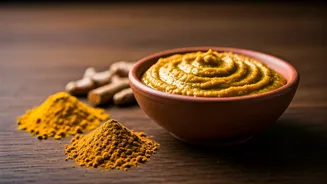
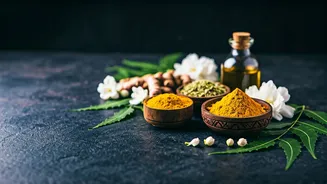
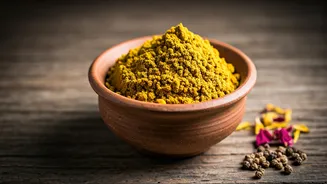
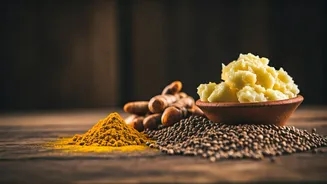
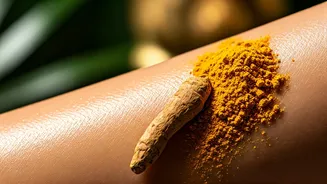
The stars of this trend are the powerhouse ingredients that have been staples in Indian households for centuries. Turmeric (Haldi), long celebrated for its anti-inflammatory and antiseptic properties in traditional medicine, is now a hero ingredient in face masks, cleansers, and spot treatments for its brightening and clarifying effects. Sandalwood (Chandan), known for its cooling and soothing qualities, is used in pastes and oils to calm irritated skin and reduce blemishes. Ashwagandha, an adaptogenic herb famed for its ability to help the body manage stress, is being incorporated into creams and serums to combat the effects of cortisol on the skin, such as premature ageing. These ingredients are no longer confined to DIY recipes; they are being formulated into sophisticated, stable, and aesthetically pleasing products by both heritage brands and new-age startups.
Rituals Reimagined for Today
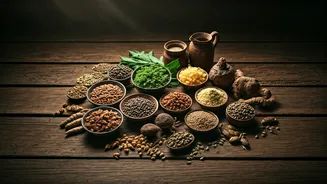
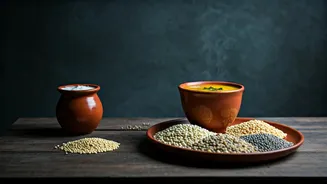
This movement is about more than just what’s in the bottle; it’s about rediscovering the rituals themselves. The practice of using 'ubtans'—a traditional paste made from grains, pulses, herbs, and oils—is being revived as a gentle, effective alternative to harsh physical exfoliants. These customised blends cleanse, exfoliate, and nourish the skin simultaneously. Similarly, the ancient art of facial massage is making a comeback. Tools like the Kansa wand, a small, dome-shaped metal tool, are used to massage the face to improve circulation, depuff, and promote lymphatic drainage. The gentle, repetitive motions turn a simple skincare step into a meditative, stress-relieving ritual, reminding us that self-care is an act of mindfulness, not just maintenance.
The Enduring Appeal of Authenticity
So, why is this happening now? In an increasingly globalised and fast-paced world, there's a deep-seated yearning for connection and meaning. For many Indians, embracing these traditions is a way of connecting with their cultural identity and heritage. It’s a source of pride to see ancient knowledge validated and celebrated on a global stage. Furthermore, as consumers become more educated about ingredients and environmental impact, the appeal of natural, biodegradable, and sustainably sourced materials grows stronger. This trend isn’t about rejecting modern science, but rather integrating it with ancient wisdom to create a more balanced, effective, and soul-satisfying approach to beauty.