





Understanding the Monsoon Challenge
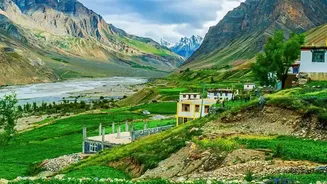
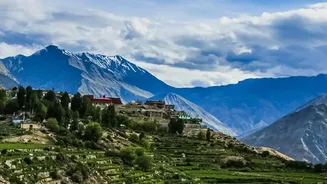
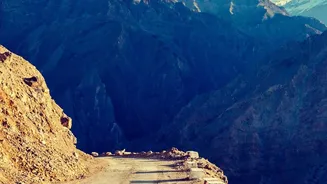
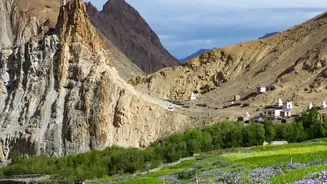
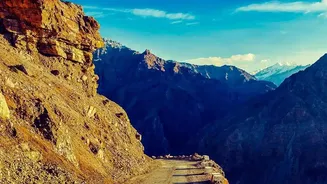
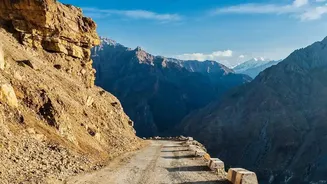
A trip to Spiti Valley in August is a tale of two realities. The valley itself, sitting in a trans-Himalayan rain shadow, remains relatively dry and accessible. However, the journey to get there is the real challenge. The approach roads, whether from
Shimla or Manali, pass through areas that receive the full force of the monsoon, leading to a high risk of landslides, shooting stones, and sudden road closures. The term "revised guidelines" is less about official new rules and more about a revised mindset: treating the journey with extreme caution, flexibility, and up-to-the-minute information.
Choosing Your Route Wisely
For a monsoon trip in August, most experienced travellers and locals strongly recommend the route from Shimla. The Shimla-Kinnaur-Kaza highway is longer but generally more stable and less prone to the severe disruptions that affect the Manali-Kaza road. The ascent is also more gradual, which helps with acclimatization. The Manali-Kaza route, involving high passes like Kunzum La and the treacherous water crossings between Gramphoo and Batal, is shorter but significantly riskier during monsoon. This route should only be considered by highly experienced mountain drivers in suitable 4x4 vehicles, and even then, with extreme caution.
Real-Time Road Status is Key
The single most important rule for a monsoon trip is to check road conditions on the day of travel. Conditions can change within hours. Before starting each leg of your journey, especially through vulnerable stretches like Malling Nala near Nako or the approach to Rohtang Pass, get the latest updates. Reliable sources include the Manali Traffic Police Facebook page, local WhatsApp travel groups, and helplines from the Border Roads Organisation (BRO). Do not rely on forecasts from a week ago. Plan to travel early in the day, as water crossings are typically lower in the morning before snowmelt increases their flow.
Vehicle and Driver Preparedness
Your vehicle must be in top condition. A high ground clearance vehicle is highly recommended. Before you leave, ensure a thorough service. Carry a complete toolkit, a reliable spare tyre, and an extra pair of windshield wipers, as continuous rain and slush can wear them out. If you are not an expert at handling slush, water crossings, and landslide-prone roads, it is much safer to hire an experienced local driver. Their knowledge of the terrain and ability to navigate unforeseen obstacles is invaluable.
Pack for Delays and Safety
Your packing list should be built around the possibility of getting stranded. Always carry a few days' worth of extra food and water. Essentials include waterproof gear (raincoat, waterproof pants, and shoes), multiple warm layers, and dry socks. A medical kit with basics, including medication for altitude sickness like Diamox (after consulting a doctor), is non-negotiable. Since connectivity is poor, carry fully charged power banks and download offline maps. Keep essential medicines and documents in a waterproof bag within easy reach, not buried in your luggage.
The Golden Rule: Buffer Days
Perhaps the most crucial planning tip is to build buffer days into your itinerary. A tight schedule is a recipe for stress and risky decision-making. Adding two to three extra days provides a cushion for potential road closures or other delays. This flexibility allows you to wait out a landslide clearance or a heavy downpour without derailing your entire trip. A monsoon trip to Spiti is for the flexible traveller; those who can adapt and find joy in the journey, even when it's unpredictable.