

Understanding the Flood's Impact
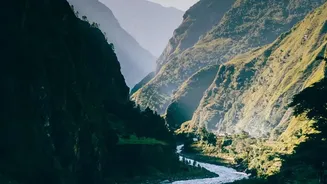
On August 26, 2026, a catastrophic flash flood, reportedly triggered by a high-altitude glacial collapse near the Tibet border, tore through the Bhote Koshi and Trishuli river corridors. This was not a typical, widespread monsoon event. Instead, it was a highly
localized but incredibly destructive disaster concentrated in the northern districts of Rasuwa, Nuwakot, and Dhading. The wall of water, ice, and debris destroyed roads, bridges, and critical infrastructure, including the key Rasuwagadhi border crossing with China. Tragically, there has been a significant loss of life, with hundreds of locals and tourists reported dead or missing. This has led authorities to declare the affected areas as disaster crisis zones.
Which Tourist Areas Are Affected?
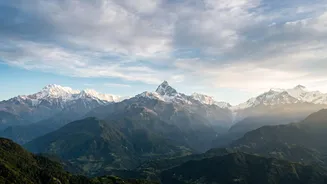
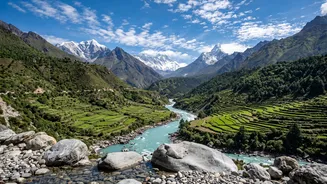
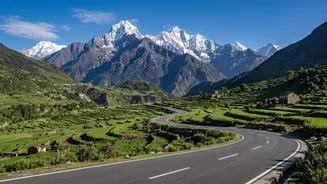
It is crucial for travellers to understand that the entire country is not flooded. The disaster's impact is severe but geographically contained. The primary affected area for tourism is the Langtang region and the main overland route to Tibet. Access to the Langtang Valley and Gosaikunda trek is severely compromised, with key approach roads and bridges washed away. The road to Syabrubesi, a popular trekking gateway, is gone and will take months to rebuild. Similarly, the Rasuwagadhi/Kerung route for the Kailash Mansarovar Yatra is closed. In contrast, major tourism hubs and trekking circuits like the Everest and Annapurna regions, Pokhara, Chitwan, and the Kathmandu Valley heritage sites were entirely unaffected and remain fully operational. Tribhuvan International Airport in Kathmandu is open, and domestic flights, including the Pokhara-Jomsom route, are running.
Official Guidance and Travel Advisories
The Nepal Tourism Board (NTB) has been working to provide information and has clarified that only specific parts of the country are affected. However, governments worldwide have issued updated travel advisories. For instance, the Australian government now advises reconsidering travel to areas within 50 kilometres of the Trishuli River in the affected districts. The UK's FCDO has also highlighted the widespread damage to infrastructure in Rasuwa and surrounding districts, warning that the situation can change rapidly. The general advice is to stay away from the disaster zones, follow instructions from local authorities, and continuously monitor updates from your embassy and tour operator. The Nepal Tourism Board has set up an information desk to help with updates on the search and rescue of tourists.
Making an Informed Decision
So, should you cancel? The answer depends entirely on your itinerary. If your plans involve the Everest or Annapurna regions, Pokhara, or Kathmandu, your trip can likely proceed with standard precautions. These areas are safe and open for business. However, if your trek or tour was planned for the Langtang region, the Ganesh Himal/Ruby Valley area via affected routes, or overland travel to Tibet via Rasuwagadhi, you must change your plans. Contact your tour operator immediately. They will have the most current on-the-ground information and can discuss alternative routes or a revised itinerary. For example, some operators suggest alternative approaches to the Manaslu circuit and alternative routes to Kailash via Simikot-Hilsa or a flight to Lhasa.
Ethical and Practical Considerations
Travelling to a country post-disaster carries an ethical dimension. Nepal's economy is heavily reliant on tourism. Visiting the unaffected areas can provide much-needed economic support, demonstrating solidarity and helping the nation recover. However, it's vital to do so responsibly. Ensure your presence does not strain resources needed for rescue and relief efforts. This is not the time for independent, off-the-beaten-path exploration in regions close to the disaster zone. Stick to established, open routes and rely on registered agencies. Also, ensure you have comprehensive travel insurance that includes medical evacuation, and be aware that medical services, even in Kathmandu, can be limited.