



The 2024 Mango Takeover
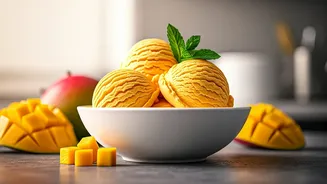
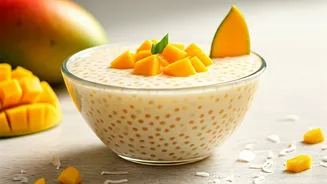
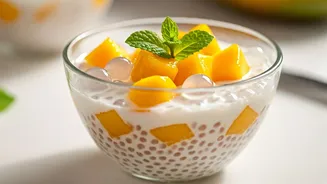
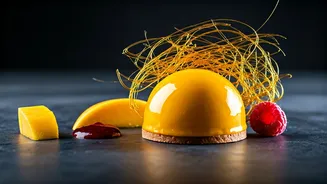
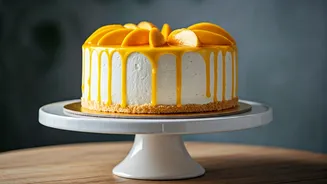
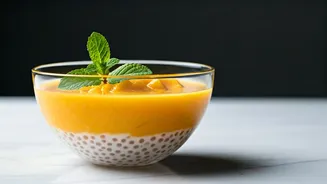
If you’ve scrolled through social media recently, you've likely seen it: impossibly glossy mango mousse cakes, cubes of jiggly mango pudding, or the viral “mango pancake,” a delicate crepe filled with fresh fruit and cream. This isn't just a niche phenomenon.
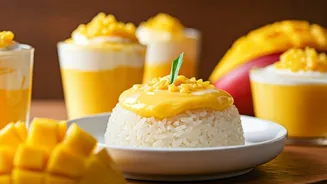
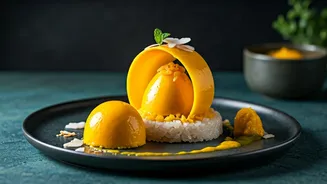
Big brands are all in, with chains like Trader Joe's rolling out cult-favorite mango mochi and mango cream bars to frantic fanfare. Independent bakeries are getting even more inventive. Think mango sticky rice croissants, where the classic Thai dessert is deconstructed and stuffed into a buttery pastry, or mango-passionfruit tarts that look more like art than food. The current wave is less about simply adding mango flavor and more about celebrating the fruit itself—its texture, its vibrant color, and its complex profile.
Why Chefs Can't Quit Mango
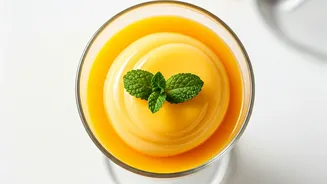
So, what makes mango a recurring superstar? For chefs and creators, it's a dream ingredient. Unlike one-note fruits, a good mango offers a symphony of flavors: it’s intensely sweet but balanced by a bright, floral tang and sometimes a subtle, resinous hint of pine. This complexity allows it to pair beautifully with a huge range of ingredients, from creamy coconut and sharp lime to spicy chili and savory notes like cardamom. Its texture is another asset. The flesh is silky and fiberless (especially in popular varieties like Ataulfo or Honey mangos), making it perfect for smooth purées, sorbets, and mousses. And let’s not forget the color. In an Instagram-driven world, that electric, sun-drenched orange-yellow is a natural showstopper, instantly signaling “fresh,” “tropical,” and “delicious” without a single filter.
A Familiar Summer Blockbuster
The word “again” in the headline is key, because this isn’t mango’s first rodeo. Many Americans were first introduced to the fruit on a mass scale during the smoothie craze of the late '90s and early 2000s, when chains like Jamba Juice made the mango-a-go-go a household name. That wave was largely driven by the increased availability and marketing of the Ataulfo mango—often branded as the “Champagne” mango—a smaller, sweeter, and less fibrous variety from Mexico that made the fruit far more approachable than its larger, stringier cousins. For years, mango was the go-to signifier of “exotic” flavor in everything from yogurt to iced tea. But after a period of being a familiar, almost default tropical flavor, it receded slightly, making way for newer trends like yuzu, passionfruit, and guava.
A Taste of Global Culture
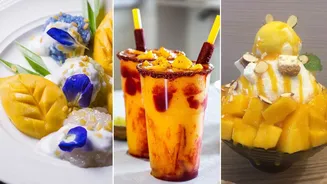
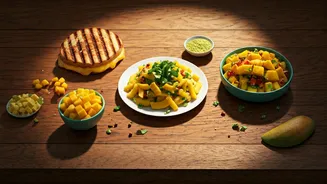
This latest resurgence is tied to something bigger: the ever-deepening influence of global food cultures on the American palate. Mango isn't just a fruit; it's a cultural touchstone in South and Southeast Asia, Latin America, and the Caribbean. As dishes from these regions become mainstream staples, so do their core ingredients. The soaring popularity of mango lassi from Indian cuisine, mango sticky rice from Thailand, and mangonadas from Mexico has created a new generation of fans who associate the fruit with authentic, beloved dishes. This time, the obsession isn't about a generic “tropical” vibe. It's about a genuine appreciation for the specific, culturally rich desserts that have celebrated the mango for centuries. The trend is less about discovery and more about adoption, as Americans embrace these global classics as their own.