


First, Understand 'Low Light'
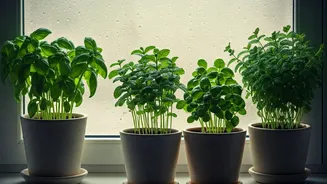
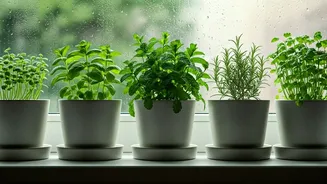
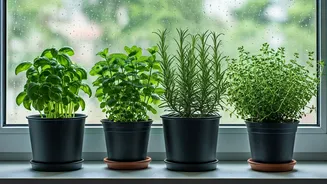
Before you start, it's crucial to manage expectations. 'Low light' for a plant doesn't mean a dark, windowless room. It refers to a space that receives indirect sunlight for a few hours a day, like a north-facing window or a spot several feet away from
a brighter east-facing one. Most herbs prefer at least six hours of sun, but several can tolerate and survive in shadier conditions. These plants may grow slower and less bushy than their sun-bathed counterparts, but they will still provide you with fresh leaves for your kitchen. The key is to choose the right herbs that are known to be more forgiving.
The Best Low-Light Herbs for Indian Kitchens
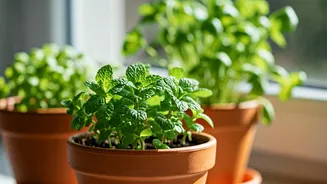
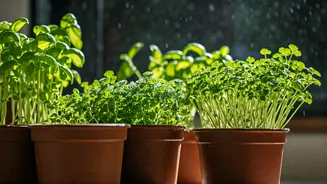
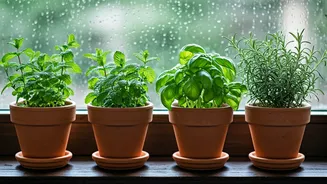
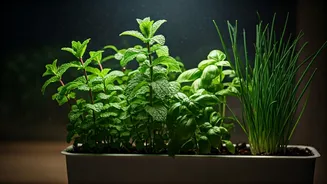
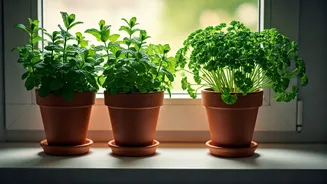
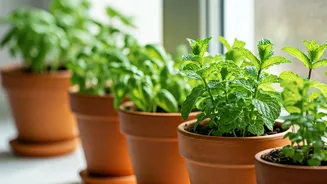
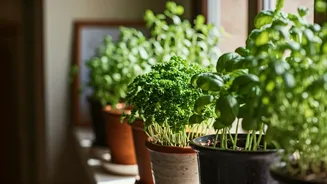
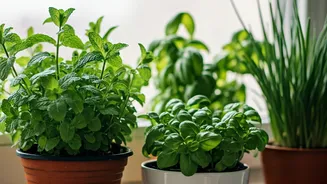
Not all herbs are created equal when it comes to light requirements. Sun-lovers like Tulsi and curry leaves will struggle. Instead, focus on these shade-tolerant heroes: Mint (Pudina): This is perhaps the easiest and most forgiving herb for low-light conditions. Mint is a vigorous grower and can become invasive outdoors, but in an indoor pot, it's contained and happy with indirect light. It prefers soil that is consistently moist but not waterlogged. Parsley: Both curly and flat-leaf parsley do surprisingly well with just a few hours of gentle light. It's a hardy plant that's great for beginners and can add a fresh, green flavour to countless dishes. Chives: A member of the onion family, chives are compact and grow happily in low light. They are low-maintenance and their slender, green blades provide a mild onion kick perfect for eggs or soups. Lemon Balm: Part of the mint family, lemon balm has a delightful citrusy scent and thrives in moderate indoor light. It’s perfect for herbal teas and adds a fresh aroma to your home. Coriander (Dhania): This is a staple in India, but it can be tricky. While many find it challenging, Coriander can be grown in cooler indoor spots with indirect light, though it may grow 'leggy' (long stems with fewer leaves). Regular harvesting is key to encourage bushier growth.
Setting Up for Success: Pots and Soil
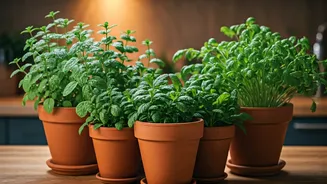
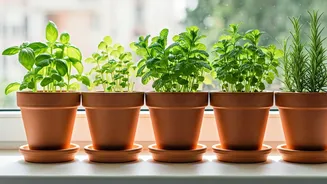
Your setup is just as important as the plants you choose. Never use heavy garden soil for indoor pots; it becomes compacted and can drown the roots. Opt for a high-quality, well-draining potting mix. You can find mixes containing peat moss, coco peat, and perlite, which keep the soil light and airy. When it comes to pots, drainage is non-negotiable. Ensure your containers have holes at the bottom to allow excess water to escape. Terracotta pots are a good choice as they are porous and help prevent the soil from becoming too soggy. For aggressive growers like mint, it’s wise to give them their own pot to prevent them from taking over.
Caring for Your Indoor Herb Garden
The biggest mistake indoor gardeners make is overwatering. Plants in low-light conditions grow more slowly and use less water. Before you water, stick your finger about an inch into the soil. If it feels dry, it's time to water; if it's moist, wait another day or two. Fertilising isn't a major concern for most herbs, especially in the winter when growth slows. If you do fertilise, use a weak, all-purpose plant food at half-strength every 4-6 weeks during peak growing seasons. Finally, to prevent your plants from leaning towards the light and becoming lopsided, give the pot a quarter turn every few days. Regular trimming or harvesting doesn't just give you fresh herbs; it encourages the plant to become bushier and more productive.