



The Core of J-Beauty Simplicity
For years, the global beauty conversation was dominated by complex, multi-step routines. Then came J-Beauty, a refreshing counterpoint that championed a different approach. At its heart, Japanese beauty is not about an endless array of products, but a philosophy
of mindful self-care. It revolves around the principle of *Kanso*, or simplicity, focusing on preventing skin issues rather than just treating them. The routine is a ritual, not a race. It prioritises gentle, high-quality ingredients, hydration, and protecting the skin barrier. The goal isn't to mask imperfections but to achieve healthy, radiant skin that feels comfortable and looks its best naturally. This mindset of intentionality—choosing fewer, better things and using them with purpose—is the quiet power behind J-Beauty's global appeal.
From Skincare to Living Spaces
It’s no surprise that a philosophy so deeply rooted in harmony and simplicity would eventually transcend the bathroom shelf. The same principles that make a J-Beauty routine feel so calming and effective are now being applied to our homes. As our lives get busier and more digitally cluttered, there's a growing desire for our personal spaces to be sanctuaries of peace. This is where the aesthetics of J-Beauty seamlessly merge with Zen interior design. Both are expressions of a culture that values order, tranquility, and a deep connection to nature. The idea is to create an environment that calms the mind and soothes the soul, much like a well-executed skincare ritual.
The Philosophy of a Zen Layout
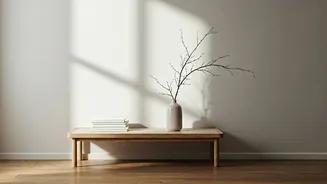
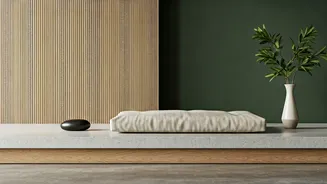
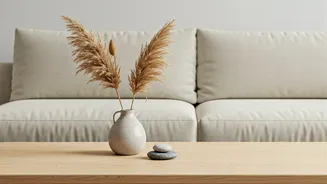
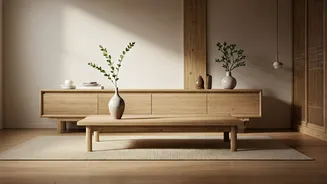
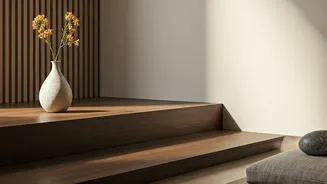
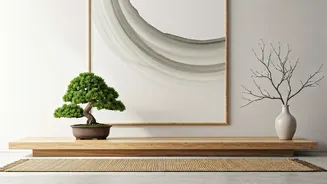
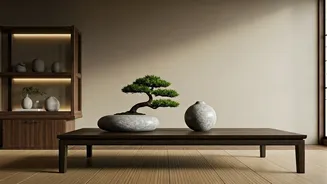
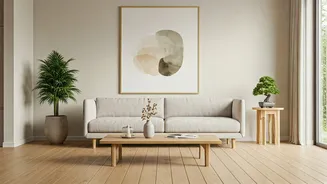
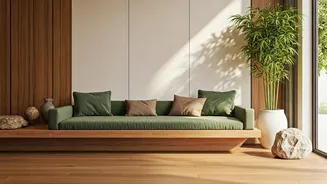
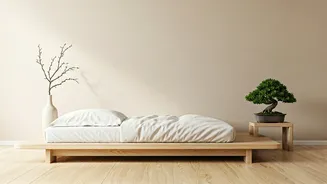
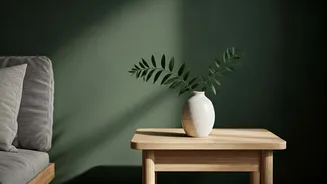
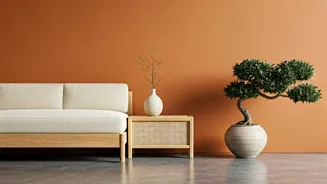
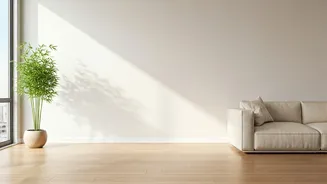
Zen interior design is the physical embodiment of meditative calm. It is guided by minimalism, but it's a warm, organic minimalism, not a cold, sterile one. A key concept is *ma*, the Japanese appreciation for negative space. This isn't just empty space; it's intentional space that allows other elements to breathe and be appreciated. A Zen layout is therefore defined by its lack of clutter. It emphasises natural light, open floor plans, and a deep connection to the outdoors, often through large windows or the inclusion of indoor plants. The colour palette is typically neutral and earthy—think beige, grey, white, and the natural tones of wood and stone. Every object in the room has a purpose and a place, contributing to an overall feeling of balance and order.
Shared Principles, Harmonious Living
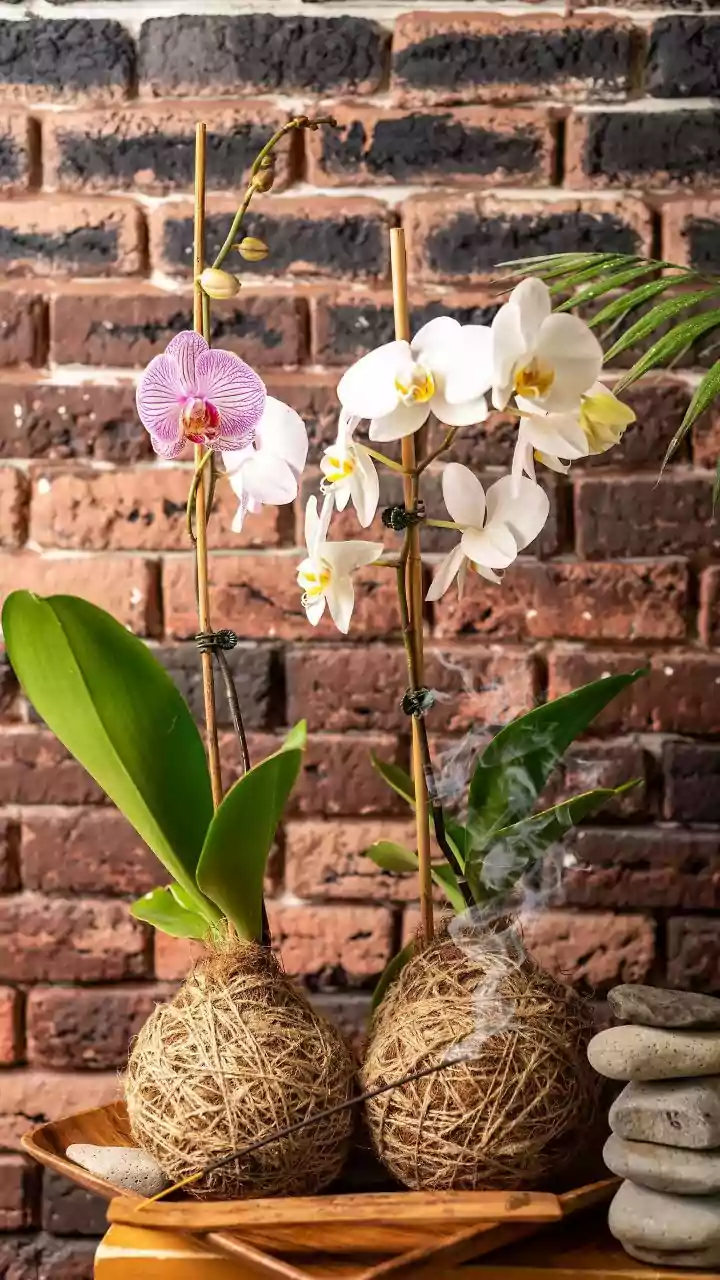
The bridge between J-Beauty and Zen interiors is built on shared philosophical pillars. The J-Beauty principle of *Kanso* (simplicity) directly mirrors the minimalist, decluttered nature of a Zen home. The focus on natural, effective ingredients in skincare parallels the use of natural materials like wood, bamboo, linen, and stone in decor. Both approaches also embrace the concept of *wabi-sabi*—finding beauty in imperfection and impermanence. A handcrafted ceramic bowl, a naturally ageing wooden table, or healthy, unadorned skin are all expressions of this idea. It’s about authenticity over flawless perfection. By adopting this mindset, both your personal care routine and your home environment become less about chasing an impossible ideal and more about appreciating a balanced, authentic reality.
Bringing the Zen Vibe Home
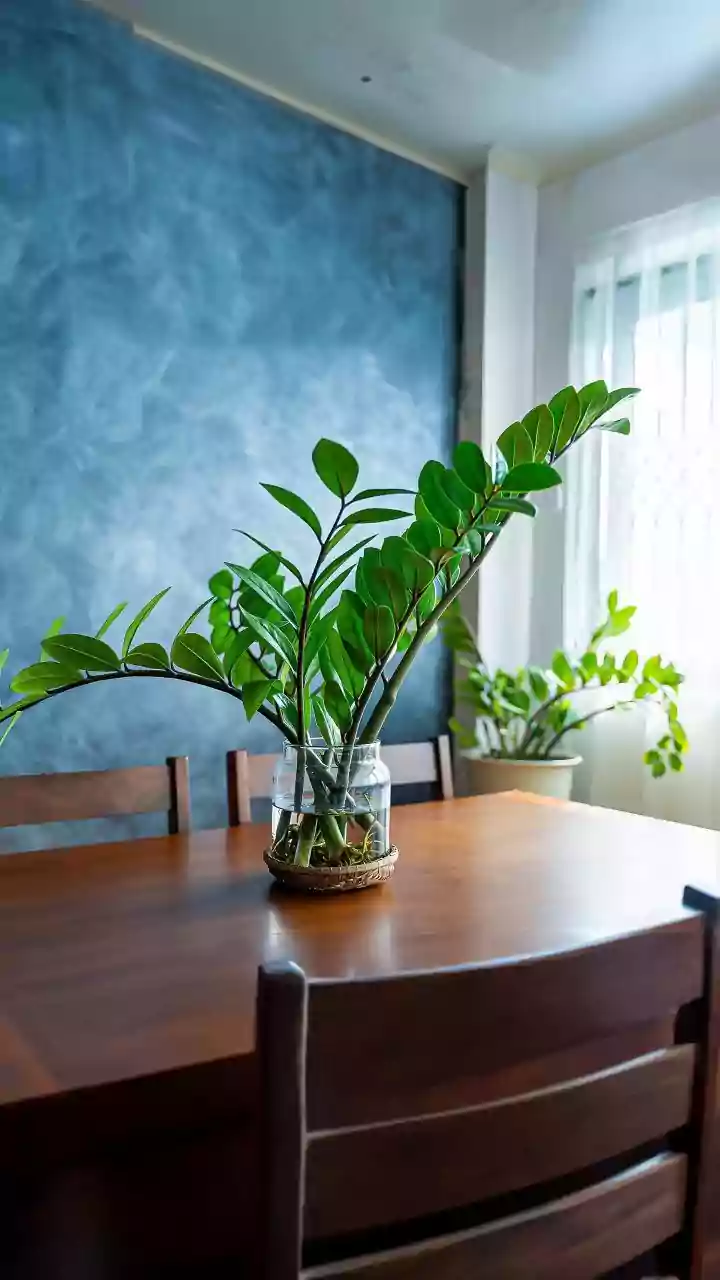
Integrating this style into your home doesn't require a complete overhaul. Start small. Begin with decluttering one area, inspired by Marie Kondo’s philosophy of keeping only what 'sparks joy'. Swap out heavy, dark curtains for lighter, sheer ones to maximise natural light. Incorporate natural textures through jute rugs, cotton throws, or bamboo planters. Stick to a soothing, neutral colour palette for your main furnishings and use accent colours sparingly. A few well-placed plants can instantly create a connection to nature and improve air quality. Ultimately, the goal is to curate a space where everything you see and touch contributes to a sense of calm. Your home should be a reflection of the same intentionality and peace you seek in your daily wellness rituals.