


Rajasthan's Open-Air Art Gallery
Forget the well-trodden tourist trails of Jaipur and Udaipur for a moment. About three hours from the capital lies the Shekhawati region, an area often called the world's largest open-air art gallery. This isn't a formal museum with tickets and queues;
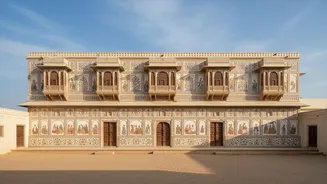
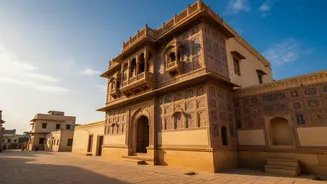
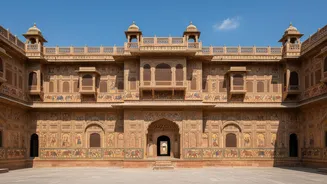
it’s a collection of towns like Mandawa, Nawalgarh, and Fatehpur, where history is painted directly onto the walls of magnificent mansions, known as havelis. For travellers seeking authenticity over spectacle, Shekhawati offers a refreshing alternative. It’s a place to wander through sleepy lanes where every turn reveals a new masterpiece, allowing for a slower, more immersive cultural break without the usual hustle.
The Story of the Painted Havelis
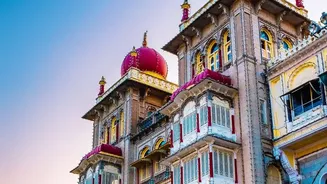
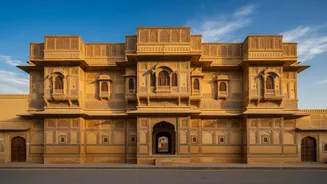
So what exactly are these havelis? These grand homes were built predominantly in the 18th and 19th centuries by wealthy Marwari merchants. As their fortunes grew from trade along the caravan routes, they funnelled their wealth back into their hometowns, building opulent residences to showcase their status. Competition among families led to increasingly elaborate architecture and decoration. The walls, ceilings, and archways were covered in intricate frescoes, a technique of painting on wet plaster. These murals depict a fascinating mix of subjects: scenes from Hindu mythology, local folktales, portraits of the merchant families, and even curious observations of the colonial British, with their trains, cars, and gramophones.
A Quiet Cultural Renaissance
For many decades, as trade routes shifted and families moved to port cities like Mumbai and Kolkata, these architectural marvels fell into neglect. However, a cultural renaissance is now underway. A combination of private owners, international art lovers, and government initiatives are breathing new life into these fading beauties. Organisations like The Shekhawati Project are training artisans in traditional restoration techniques, ensuring the frescoes are preserved authentically. Many havelis are being painstakingly restored and converted into boutique heritage hotels, offering visitors a unique opportunity to live amidst the art. Recent government efforts, including a significant fund allocation, are aimed at preserving over 600 havelis and developing a dedicated tourist circuit.
The Wisdom of Off-Season Travel
While the peak tourist season in Rajasthan runs from October to March when the weather is cool and pleasant, the term 'off-season' in Shekhawati presents a strategic choice for the discerning traveller. The monsoon months of July to September, for instance, see the arid landscape transform with surprising patches of green, fewer visitors, and lower accommodation prices. The humidity is a trade-off, but the cooler, cleaner air after a shower and the solitude are significant rewards. Even the shoulder months surrounding the peak winter season offer a sweet spot of good weather and thinner crowds. This quieter period allows for unhurried exploration, letting you truly absorb the details of the art and the peaceful atmosphere of the towns.
Planning Your Shekhawati Itinerary
A trip to Shekhawati is easily accessible, located roughly between Delhi and Jaipur. The key towns to anchor your visit are Mandawa, Nawalgarh, and Fatehpur. Mandawa is a popular hub known for its many haveli-turned-hotels. Nawalgarh boasts some of the region's best-preserved frescoes, including the Poddar Haveli Museum, which offers a structured introduction to the art form. In Fatehpur, a visit to the Nadine Le Prince Haveli, restored by a French artist, showcases a beautiful blend of Indian heritage and international conservation efforts. Don't try to rush; the joy of Shekhawati lies in slow exploration. Consider hiring a local guide to help you find hidden gems and understand the stories behind the paintings.