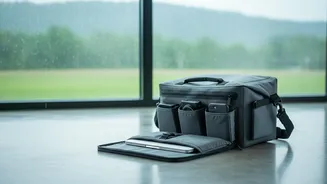


Start with a Water-Resistant Backpack
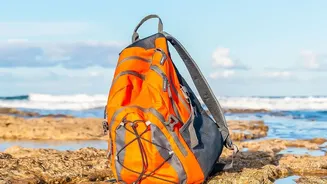
Your first line of defence is the bag you carry. Investing in a high-quality waterproof or water-resistant backpack is non-negotiable for rainy season travel. Look for bags made from materials like treated nylon or those that feature a roll-top closure,
which prevents water from seeping through zippers. Some backpacks come with a built-in rain cover that can be quickly pulled over the entire bag for an extra layer of protection during heavy downpours. This simple choice can be the difference between a dry set of gadgets and a travel disaster.
Secure Your Phone with a Waterproof Pouch
Your phone is likely your most-used travel companion. The easiest and most affordable way to protect it is with a waterproof pouch. These transparent pouches, often rated with an IPX8 certification, allow you to use your phone's touchscreen and even take pictures while it's safely sealed inside. Many models also feature an air pocket design that allows them to float, which is an added bonus near pools or on boat trips. For everyday use, a good quality water-resistant case can fend off light splashes, but for true peace of mind in a storm, a sealed pouch is the superior option.
Give Your Laptop Double Protection
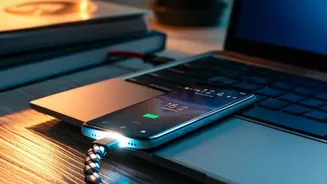
A laptop is both bulky and highly susceptible to water damage. Relying on just a backpack isn't enough. Employ a two-layer strategy: place your laptop in a padded, water-resistant sleeve before putting it inside your waterproof backpack. This creates a crucial second barrier against moisture. Neoprene or velvet-lined sleeves not only protect against water but also absorb shock from bumps and drops. When you're on the move, this dual-layer approach provides robust protection against both rain and the general wear-and-tear of travel.
Protect Your Camera Gear Diligently
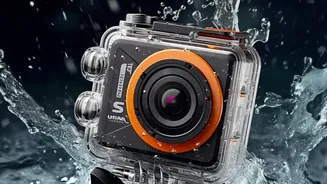
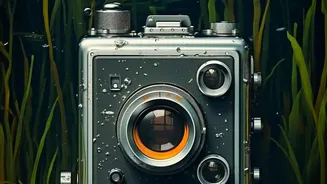
For photographers, protecting a camera and lenses is paramount. A dedicated camera rain cover or sleeve is a must-have accessory. These covers are designed to fit over your camera body and lens, with a transparent window for viewing your settings and sleeves for you to operate the controls. For storing gear, a 'dry bag' is an excellent investment. These are fully waterproof bags, often used for watersports, that can hold your entire camera bag. Also, always carry a microfibre cloth to wipe down any moisture and a few silica gel packets in your camera bag to absorb ambient humidity and prevent fungus from growing on your lenses.
Embrace Simple DIY Solutions
You don't always need to buy expensive gear. Simple household items can be surprisingly effective. A heavy-duty zip-lock bag is a classic, cheap, and effective way to waterproof a phone or other small electronics. You can even use a phone through the plastic in a pinch. For extra security, double-bag your items. Another trick is to use a wide-mouthed water bottle or thermos to store small items like power banks, chargers, and memory cards. If the bottle is designed to keep liquids in, it's generally great at keeping liquids out too.
Know What to Do in an Emergency
If a device does get wet, acting fast is critical. The very first step is to turn it off immediately and not try to power it on to see if it works, as this can cause a short circuit. If possible, remove the battery, SIM card, and any memory cards. Gently dab the exterior dry with a soft cloth. Resist the popular myth of putting it in a container of uncooked rice; this is largely ineffective. Instead, place the device in an airtight container filled with silica gel packets for 24 to 48 hours, as they are far more effective at absorbing moisture. Only after it has had ample time to dry should you attempt to turn it back on.