

The Daily Time Crunch
Long work hours, draining commutes, and endless to-do lists often leave personal health at the bottom of the priority list. When it's 8 PM and you're exhausted, the idea of cooking a complex, healthy meal feels impossible. This is the moment when convenience
often wins, leading to unhealthy takeout or processed foods. The core challenge isn't a lack of desire to eat well, but a perceived lack of time and energy. This cycle can leave you feeling sluggish and further depleted, making it even harder to break. But what if the solution wasn't about finding more hours in the day, but about using your minutes more wisely?
Redefining 'Healthy and Quick'
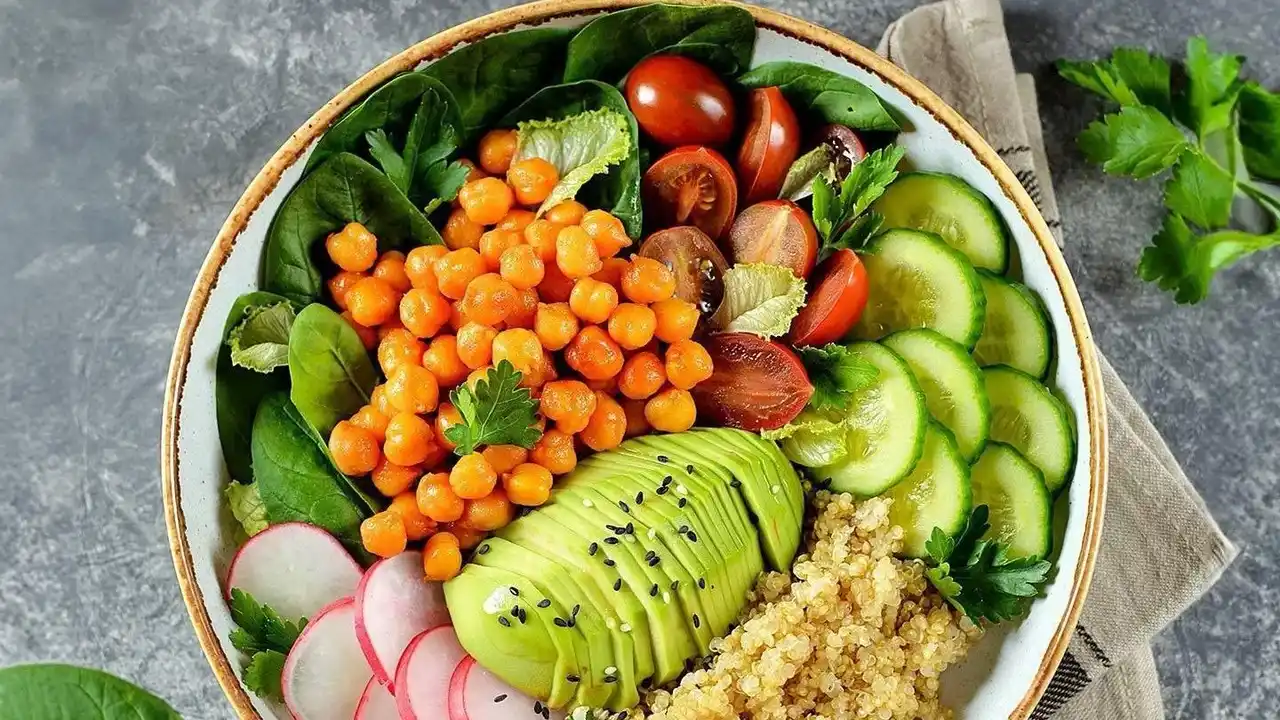
The belief that healthy food is complicated and time-consuming is a persistent myth. In reality, some of the most nutritious ingredients are also the quickest to prepare. The key is shifting your mindset. A healthy meal doesn't have to be an elaborate, multi-course affair. It can be a simple, balanced plate of protein, whole grains, and vegetables. Many flavourful and wholesome Indian dishes, like a quick dal, vegetable stir-fry, or paneer bhurji, can be prepared in under 30 minutes. The focus should be on whole, unprocessed foods rather than complex techniques. By embracing simplicity, you can make meals that are both nourishing and genuinely fast.
Your 30-Minute Kitchen Toolkit
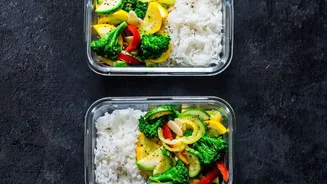
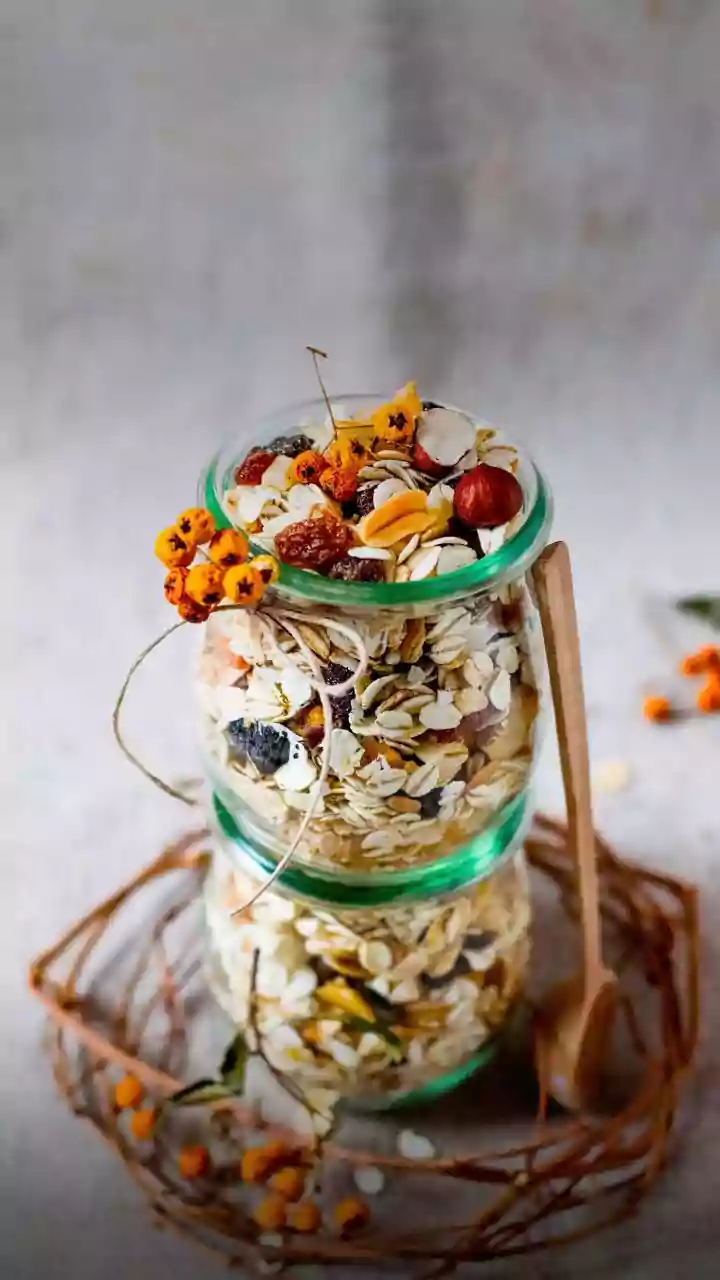
The secret to lightning-fast cooking starts before you even turn on the stove. It begins with a well-stocked kitchen and a little bit of planning. Spending just a short time on the weekend can save you hours during the week. This strategy, often called meal prep, involves preparing ingredients in advance. Simple steps like chopping vegetables, boiling a batch of dal or eggs, or making a versatile sauce can cut your daily cooking time in half. Keeping your pantry stocked with essentials like whole grains (brown rice, quinoa, millets), canned beans and lentils, and a variety of spices ensures you always have the building blocks for a quick meal. Frozen vegetables and fruits are also fantastic time-savers, as they are just as nutritious as fresh produce.
Smart and Speedy Cooking Methods
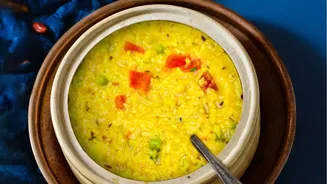
Once your ingredients are ready, using the right cooking technique is crucial for speed and health. One-pan and one-pot meals are a busy person's best friend, as they minimize both cooking and cleanup time. Methods like stir-frying are perfect for cooking a mix of protein and vegetables quickly while retaining nutrients. Pressure cookers can prepare lentils, beans, and even entire dishes like khichdi in a fraction of the time. Grilling or pan-searing lean proteins like chicken, fish, or paneer takes only a few minutes. By choosing these efficient methods, you can assemble a complete, balanced meal without spending your entire evening in the kitchen.
Putting It All Together: Meal Ideas
So what does a 30-minute healthy meal look like? For an Indian palate, the options are plentiful. Imagine a quick moong dal tadka served with pre-cooked brown rice and a simple cucumber salad. Or consider a paneer and bell pepper stir-fry, seasoned with your favourite spices and ready in 20 minutes. A vegetable khichdi is a classic one-pot meal that is both comforting and nutritionally complete. Even something as simple as a loaded vegetable omelette with a slice of whole-grain toast can be a perfectly balanced dinner. The goal is to create a plate that includes a source of protein (dal, paneer, eggs, chicken), a complex carbohydrate (roti, brown rice), and plenty of vegetables.
Consistency Over Perfection
Embarking on a healthier eating journey doesn't require a complete overhaul of your life overnight. The key to long-term success is consistency, not perfection. Start small by planning to cook just two or three nights a week. Don't be afraid to lean on healthy convenience items, like pre-cut vegetables or store-bought sauces with clean ingredients, to ease the burden on your busiest days. Even making a large batch of one dish and eating the leftovers for lunch the next day is a powerful time-saving strategy. The aim is to build sustainable habits that fit into your real life, not to follow a rigid, unrealistic plan.