



Understanding AI Thesis Assistants
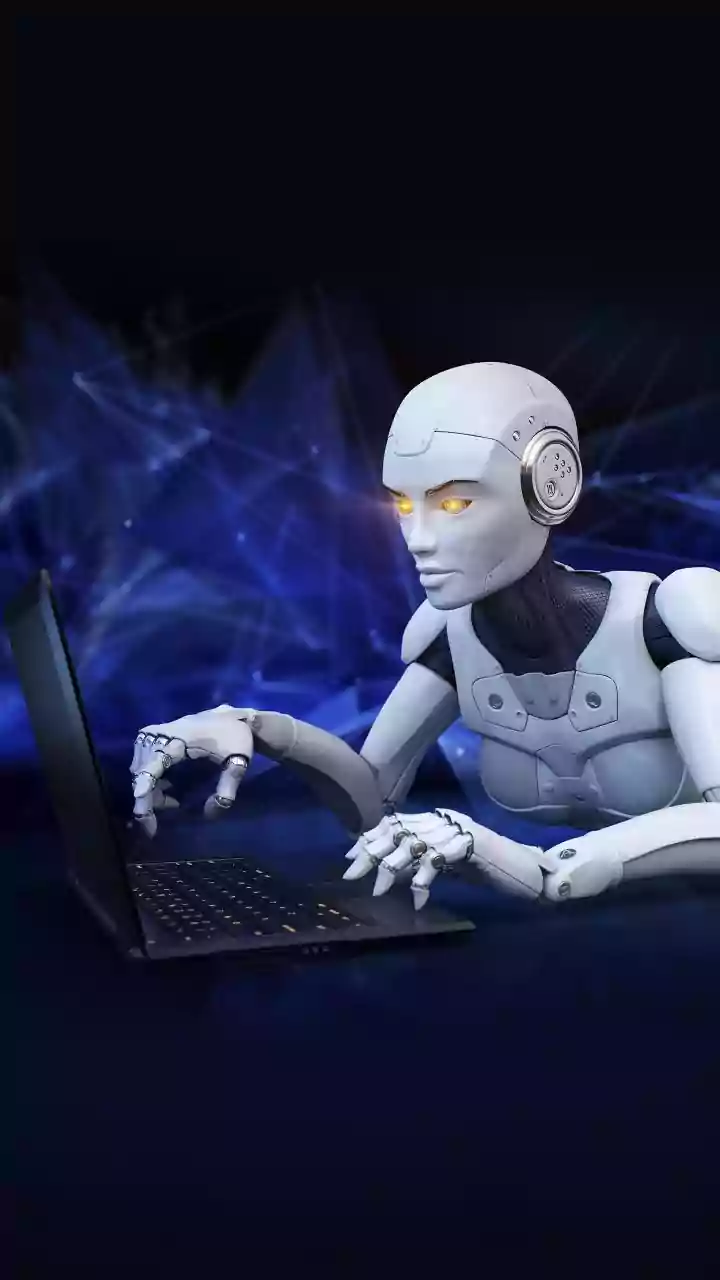
First, let’s be clear about what these tools are—and what they are not. An AI thesis assistant is essentially an advanced large language model (LLM), like ChatGPT, or a specialized research tool, like Elicit or Scite, that has been designed to process
and generate text. They are not sentient beings with a deep understanding of your unique research. Instead, they are incredibly powerful pattern-recognition machines. When you ask for 'drafting notes,' the AI isn’t thinking about your topic; it’s predicting the most statistically likely sequence of words based on the vast amount of internet data it was trained on. Think of it less as a co-author and more as a super-powered search engine that can synthesize, summarise, and structure information on command. Their real value isn't in writing for you, but in helping you organize your own thoughts and navigate complex information more efficiently.
The Art of the Prompt
The quality of the 'drafting notes' you receive depends almost entirely on the quality of your instructions, or 'prompts.' Generic prompts yield generic, unhelpful results. To get personalized output, you must provide specific context. Instead of asking, “Write an outline for a thesis on the Indian economy,” try a more detailed prompt: “I am writing a thesis chapter on the impact of UPI on street vendors in Mumbai post-2019. My key arguments are A, B, and C. Can you help me structure these arguments into a logical five-section chapter outline, suggesting where I might include data on transaction volumes and vendor testimonials?” By providing your own arguments, sources, and desired structure, you guide the AI to act as a clerical assistant, organizing your ideas rather than creating new, unoriginal ones. The goal is to use the AI to build a skeleton, which you will then flesh out with your own research and analysis.
From AI Notes to Your Own Words
Receiving a well-structured outline from an AI is just the beginning. The crucial next step is to translate these structural notes into your own academic voice. Never copy and paste AI-generated text directly into your draft. Doing so is plagiarism and can be easily detected by university software. Instead, use the AI-generated points as a checklist or a map. For each point in the outline, open a blank page and write your own paragraph explaining the concept, integrating your research, and citing your sources properly. The AI can help you find potential sources or summarise a dense academic paper you provide, but the analysis, interpretation, and final wording must be yours. This process ensures that you maintain intellectual ownership of your work while leveraging the AI for speed and organization.
The Red Line: Academic Integrity
Every university in India and abroad has a strict policy on academic integrity. Using an AI to write sentences, paragraphs, or entire sections of your thesis is a serious violation of these policies. It is the academic equivalent of hiring someone to write your paper for you. Most institutions are rapidly updating their guidelines to address generative AI. The general consensus is that using AI for brainstorming, outlining, or checking grammar is often acceptable, but submitting AI-generated text as your own is not. Before you use any AI tool, you must check your university’s specific guidelines. When in doubt, ask your guide or a faculty member. Transparency is key. Being upfront about how you used the tool for assistance is far better than being caught for academic dishonesty.
Choosing the Right Tool for the Job
The term 'AI assistant' covers a broad range of software. For generating outlines and brainstorming ideas, general-purpose LLMs like ChatGPT or Google Gemini can be useful. For research-heavy tasks, specialized tools like Elicit, which can find relevant papers and summarise their findings, are more powerful. For polishing your own writing, tools like Grammarly (its advanced AI features) or QuillBot can help you rephrase sentences and improve clarity. The key is to use the right tool for the right task. Don’t expect a grammar checker to architect your thesis, and don’t rely on a general chatbot for nuanced academic research without critically verifying every single one of its claims and sources, as they are known to invent them.