








Priority 1: Cultivate Stability and Balance
As we age, our relationship with gravity changes. A fear of falling can limit our movement and our confidence. Yoga gently reframes this relationship, shifting the focus from dramatic flexibility to foundational stability. Mindful aging isn't about forcing
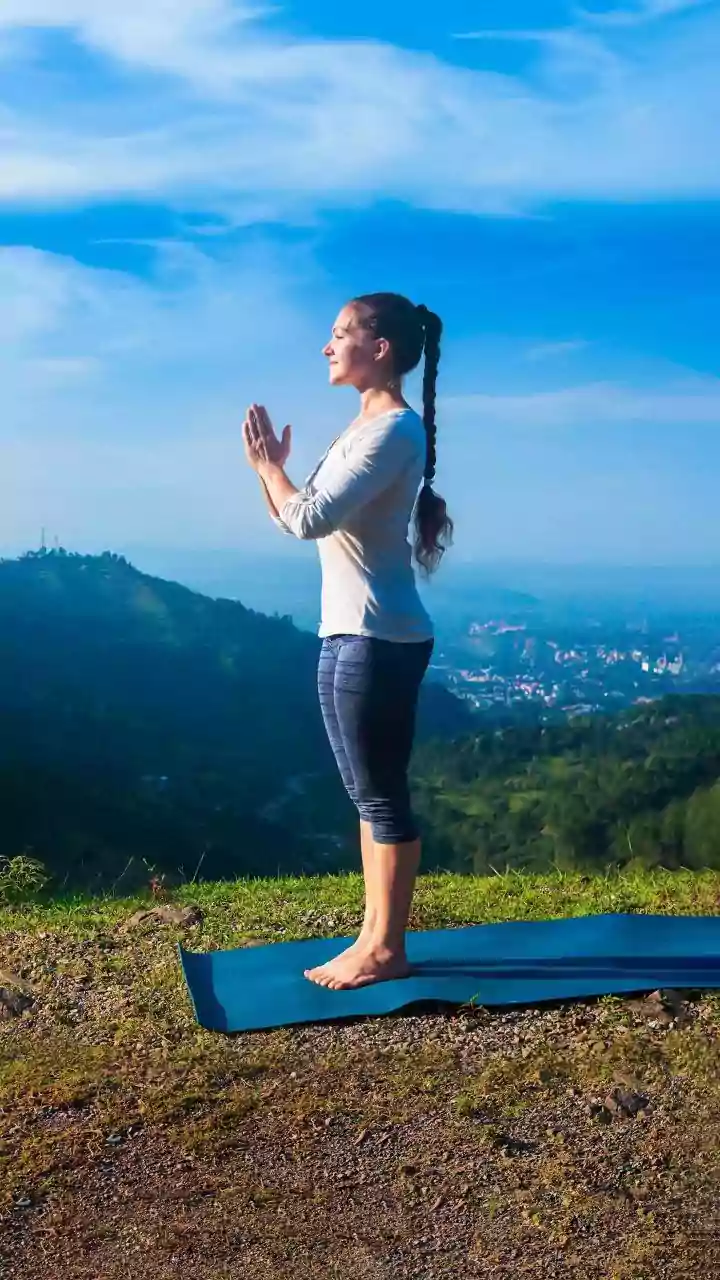
your body into a pretzel; it's about finding your centre. Practices that focus on balance, like the gentle variations of Tree Pose (Vrikshasana) or Mountain Pose (Tadasana), are powerful tools. They do more than strengthen ankles and legs; they train the mind to be steady and calm under pressure. By prioritising balance, we cultivate a sense of security and grace that extends far beyond the yoga mat, allowing us to move through the world with greater assurance.
Priority 2: Honour Your Breath (Prana)
In the yogic tradition, breath is life force, or *prana*. As we get older, our breathing patterns can become shallow, depriving our bodies of optimal oxygen. Yoga for mindful aging places immense importance on pranayama, or breath control exercises. Simple techniques like deep belly breathing (diaphragmatic breathing) or alternate nostril breathing (Nadi Shodhana) have profound effects. They can help lower blood pressure, reduce stress and anxiety, and improve lung capacity. By making breath a priority, you are actively nourishing your nervous system and enhancing your vitality. It is the most accessible and potent tool for managing energy and cultivating a state of inner peace, available to you at any moment of the day.
Priority 3: Embrace Gentle Mobility and Posture
A sedentary lifestyle and the natural aging process can lead to stiffness, particularly in the spine and hips. The goal of a mindful yoga practice is not to achieve extreme backbends, but to encourage gentle, kind movement that restores mobility. Seated cat-cow stretches, gentle spinal twists, and supported bridge poses can work wonders for spinal health and posture. These movements lubricate the joints, release tension in the back, and counteract the forward slump that can develop from sitting too much. By focusing on maintaining a supple spine and open chest, you improve circulation, aid digestion, and project an air of vitality. It is a celebration of what your body can do, rather than a frustration over what it cannot.
Priority 4: Practice Acceptance and Non-Judgement
Perhaps the most crucial priority for mindful aging is psychological. Yoga teaches *ahimsa* (non-harming) and *santosha* (contentment), principles that are deeply relevant as our bodies change. It’s easy to get caught up in comparing ourselves to our younger selves or to others. A mindful practice encourages you to show up on the mat exactly as you are on any given day—tired, energetic, stiff, or flexible. It's about listening to your body's signals and modifying poses without judgement. This acceptance on the mat translates into a more compassionate approach to life. It’s a powerful antidote to the societal pressure to defy aging, replacing it with a quiet confidence in the wisdom and experience that come with years.
Priority 5: Nurture Mind-Body Connection
The true essence of yoga is union—the union of mind and body. In our youth, we often live in our heads, treating our bodies as vehicles. Mindful aging invites us to inhabit our bodies fully. Practices like a body scan meditation, where you bring gentle awareness to each part of your body without judgement, can be transformative. It helps repair a connection that may have been frayed by time, illness, or neglect. Ending a practice with Savasana (Corpse Pose) is not just about resting; it is an active process of integration, allowing the benefits of the physical practice to settle into your cellular memory. This deep connection fosters intuition, helps you recognise your body's needs, and anchors you firmly in the present moment.