







The Rise of the Personal Retreat
So, what exactly is a boutique homestay? It's the sweet spot between a traditional, family-run homestay and a design-focused boutique hotel. Typically small, with 10 to 100 rooms, these properties offer a unique personality that larger chains can't replicate.
The focus is on aesthetics, personalized service, and a deep connection to the local culture. Unlike a standard hotel, where you are one of hundreds, a boutique homestay offers an intimate setting. It's a curated experience where the property itself becomes a destination, not just a place to sleep. This shift is part of a larger trend in Indian hospitality, with the boutique hotel market expected to grow significantly, reaching a projected revenue of over US$ 1277 million by 2030.
Why Monsoon Is the Perfect Match
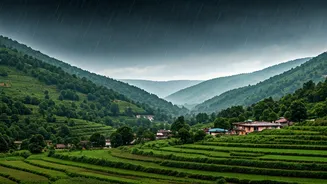
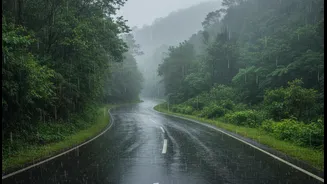
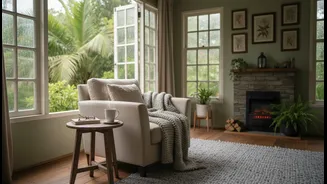
The monsoon season has a unique magic, and boutique homestays provide the perfect stage to enjoy it. When outdoor activities are limited by rain, the comfort and atmosphere of your accommodation become paramount. Travellers are discovering the joy of watching mist roll through the valleys from a private balcony in Coorg or listening to the rain fall on a heritage roof in Goa. These stays offer a peaceful, less crowded environment, as monsoon is often considered the off-season in many destinations. This creates a tranquil atmosphere perfect for couples, solo travellers, or anyone looking to disconnect. The appeal is simple: home-cooked regional meals, warm hospitality, and the cozy comfort of feeling welcomed, which is especially valuable on a rainy day.
A Search for Authentic Connection
This trend isn't just about pretty rooms; it's about a fundamental shift in what travellers want. Today's urban explorers, particularly millennials and Gen Z, are increasingly seeking authentic, immersive experiences over generic luxury. There's a growing desire for real-world engagement as a response to digital fatigue. Data shows that Indian travellers are prioritising experiences over destinations, with a huge majority—95 percent—seeking cultural exchange through their trips. This includes supporting small, independent businesses and wanting to feel a genuine connection to a place. Homestays, by their very nature, deliver on this by offering a slice of local life, from home-cooked meals to insider tips from the hosts themselves.
Where the Trend Is Blooming
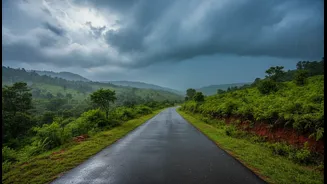
While this trend is nationwide, it's particularly vibrant in destinations that are transformed by the monsoon. Hill stations like Mussoorie and those in the Western Ghats, such as Lonavala and Mahabaleshwar, become lush, green, and misty, creating a dramatic backdrop. In Kerala, the backwaters come alive, and the cooler weather is ideal for Ayurvedic treatments. Coorg's coffee plantations turn a deep emerald, while a quieter, greener side of Goa emerges, away from the bustling party scene. Even in Rajasthan, heritage properties and restored palaces offer a regal and atmospheric monsoon escape. These regions are seeing a rise in unique properties, from eco-conscious retreats made of natural materials to stunningly restored heritage homes.
Making the Most of the Experience
For those looking to try this trend, the key is to embrace the slower pace. Look for properties that highlight their connection to the local environment and culture, whether through plantation tours, regional cooking classes, or simply a veranda with a stunning view. Many of these homestays are labours of love, run by hosts who are passionate about sharing their corner of the world. This gives you a chance to not just visit a place, but to connect with it. The rise of the boutique homestay isn't just about a new type of accommodation; it's about a more mindful and meaningful way to travel, especially when the skies open up.