






An Oppressive 'Second Summer'
October in Mumbai has long been known for its 'second summer', a period of warm and humid weather following the monsoon's withdrawal. However, this year has been particularly harsh. The India Meteorological Department (IMD) has issued multiple yellow
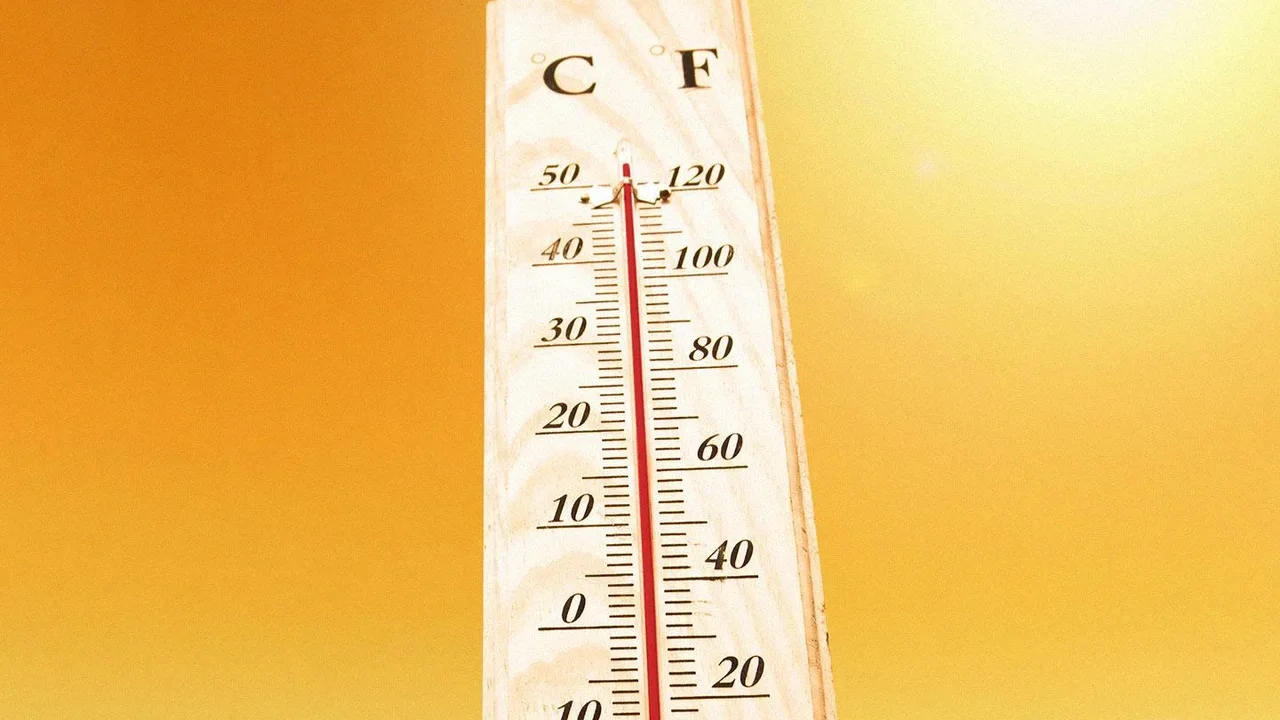
alerts for 'hot and humid conditions', with temperatures consistently staying above normal. On October 12, the city recorded its second-hottest October day in a decade at 38.2°C, several degrees above the usual for this time of year. Experts attribute this oppressive spell to a combination of factors, including a persistent high-pressure area and easterly winds that are preventing the cooling sea breeze from providing its usual relief to the coastal city. This prolonged stretch of days with temperatures exceeding 37°C is unusual for Mumbai and is creating significant challenges for its residents.
The Daily Commute Becomes a Crucible
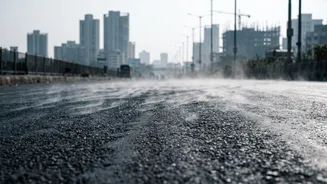
For the millions who rely on public transport, the daily commute has transformed into a draining experience. The city's local trains and BEST buses, often packed during peak hours, become sweltering hotboxes. The lack of adequate ventilation in non-AC compartments compounds the problem, leading to extreme discomfort and health risks like dehydration. The heat is not just affecting passengers; it's impacting the infrastructure itself. Recently, Central Railway had to impose a 'distress block' near Byculla because the soaring temperatures were affecting the tracks through thermal expansion. This emergency measure led to the delay and diversion of at least eight local train services, causing further inconvenience for commuters already battling the heat. For those travelling on roads, the combination of heat radiating from asphalt and slow-moving traffic makes the journey exhausting before the workday even begins.
Productivity and Concentration Under Pressure
The impact of the heat follows commuters into the workplace. In offices without effective climate control, the conditions can severely hamper concentration and efficiency. Studies have shown a direct link between rising temperatures and declining worker productivity. Research indicates that for every degree increase above 27°C, productivity in roles requiring manual labour can drop by as much as 4 percent. Even in automated settings, heat contributes to higher rates of absenteeism. The persistent heat leads to fatigue, slower reaction times, and an increased risk of errors. For the vast number of Mumbaikars who work outdoors—including construction workers, street vendors, and delivery partners—the risks are even more pronounced, exposing them to heat exhaustion and a significant loss of income. According to the International Labour Organization, India faces substantial economic losses due to heat-induced work disruptions.
A Toll on Health and the Economy
The consequences of this extreme heat extend beyond daily inconvenience and workplace slumps. Health experts warn of a rise in heat-related illnesses, such as dehydration, dizziness, heat exhaustion, and in severe cases, heatstroke. The elderly, children, and individuals with pre-existing health conditions are particularly vulnerable. Economically, the impact is twofold. On one hand, there's the direct loss of productivity and working hours, which the ILO estimates could be equivalent to 34 million full-time jobs in India by 2030 due to heat stress. On the other hand, the soaring temperatures drive up energy consumption as the demand for air conditioning skyrockets, putting a strain on the power grid and leading to higher electricity bills for households and businesses. Mumbai has already seen its power demand repeatedly cross the 4000 MW mark during this heatwave.