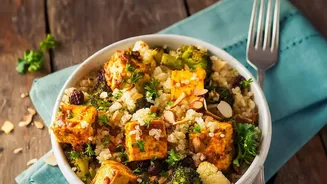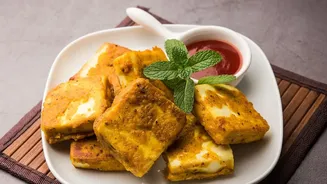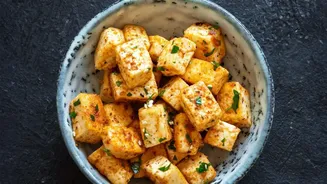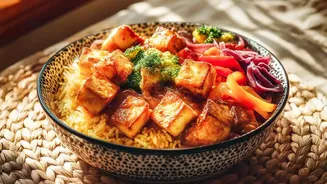





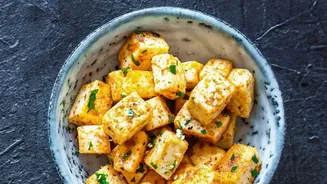
Choose Your Paneer and Tofu Wisely
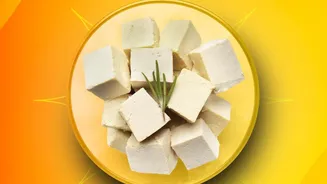
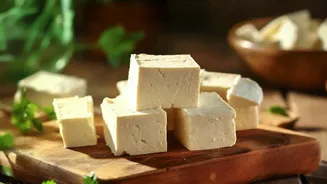
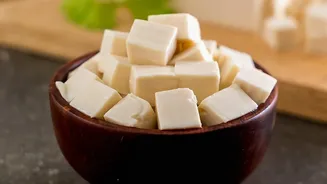
Not all tofu is created equal when it comes to protein. The key is water content. Extra-firm tofu, which has been pressed to remove more water, can contain almost double the protein of its softer, silken counterpart. For instance, 100 grams of extra-firm
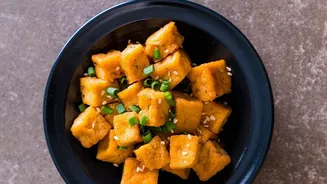
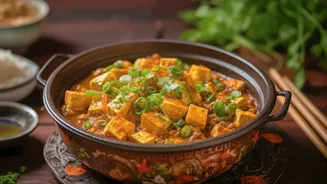
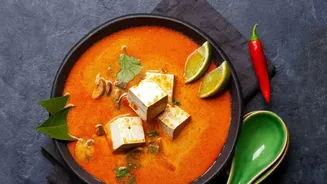
tofu can pack around 15-17 grams of protein, while silken tofu might only have 5-7 grams. So, for dishes where you want a meaty texture, like a stir-fry or curry, always opt for extra-firm and press it well before cooking to help it crisp up and absorb flavours. While paneer's protein content is more consistent, opting for versions made from full-fat milk generally yields a higher protein and calcium count.
Power Up with Pulses and Legumes
One of the easiest ways to bolster a paneer or tofu dish is by adding a handful of pulses. Chickpeas, lentils, kidney beans, and black beans are inexpensive protein powerhouses that integrate seamlessly into most Indian curries and stir-fries. A cup of cooked lentils can add about 18 grams of protein to your meal. Think of adding chickpeas to your palak paneer or black beans to a spicy tofu scramble. It not only boosts the protein significantly but also increases the fibre content, making your meal more filling and nutritious without much extra effort.
Serve on a High-Protein Grain Bed
What you serve your curry with matters. While white rice is a classic accompaniment, swapping it for a high-protein whole grain can make a huge difference. Quinoa is a standout choice; it's a complete protein containing all nine essential amino acids. A cooked cup of quinoa offers about 8 grams of protein, nearly double that of white rice. Other great options include millets (like jowar or bajra), farro, or even brown rice, which offers more protein and fibre than its white counterpart. This simple switch elevates the entire meal's nutritional profile.
Make Your Gravy Work Harder
The base of your curry can be a secret protein weapon. Instead of relying solely on water or thin coconut milk, consider using Greek yogurt or hung curd. This not only creates a richer, creamier texture but also adds a substantial amount of protein. For the best results and to prevent curdling, stir in the yogurt at the end of the cooking process after turning off the heat. Another trick is to create gravies using nut pastes. A paste made from soaked almonds or cashews, a traditional technique in many Indian cuisines, adds healthy fats, creaminess, and a decent protein kick.
Embrace Nuts and Seeds as Finishers
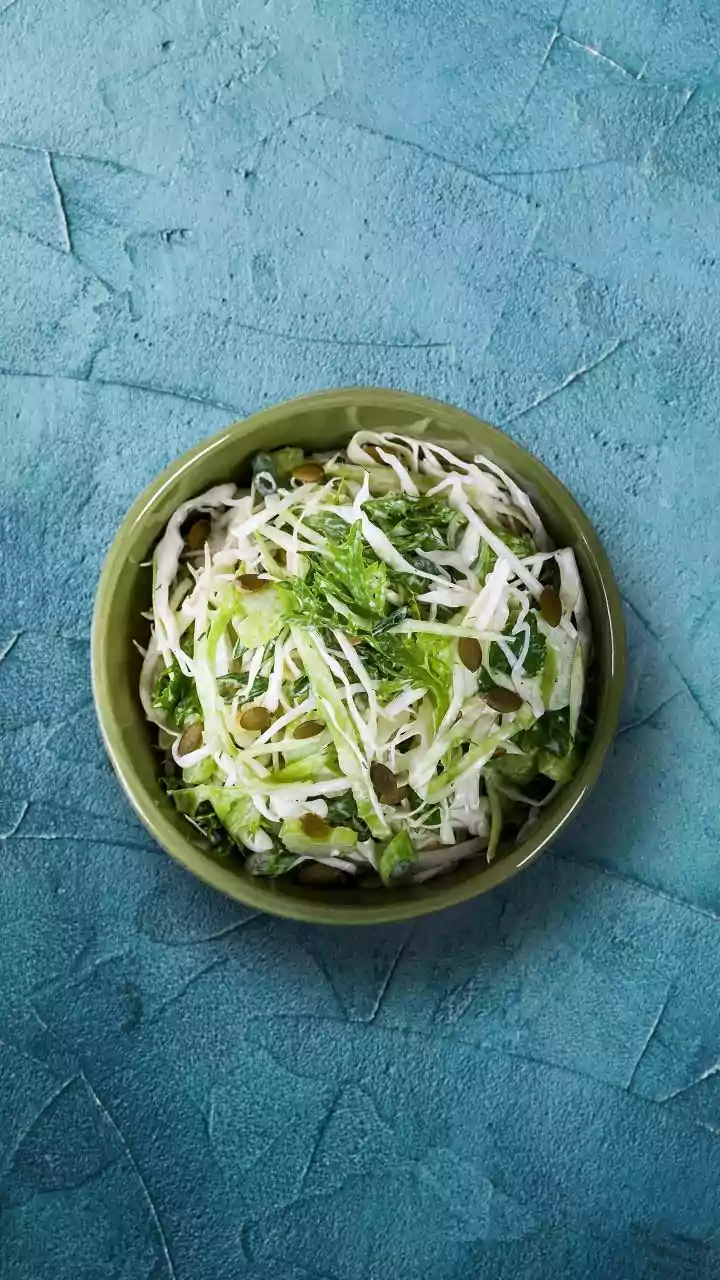
A final flourish can be more than just a garnish. Sprinkling a tablespoon of toasted pumpkin seeds, sunflower seeds, or chopped almonds over your finished dish adds a delightful crunch and a surprising amount of protein and healthy fats. Pumpkin seeds are particularly notable for their high protein content. You can also swirl a spoonful of peanut or almond butter into your tofu stir-fry sauce for a savoury, nutty flavour and an extra protein boost. This takes seconds but adds significant nutritional value.
Don't Forget High-Protein Vegetables
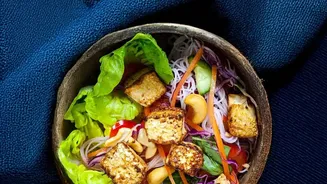
While their contribution is smaller, some vegetables add a meaningful amount of protein to your meals. Green peas, spinach, broccoli, and edamame are all excellent choices to mix into your paneer or tofu dishes. For example, adding a generous amount of spinach to make palak tofu or tossing green peas into a paneer butter masala not only enhances the flavour and vitamin content but also inches up the overall protein count of your meal. Every little bit adds up to a more robust and satisfying dinner.