




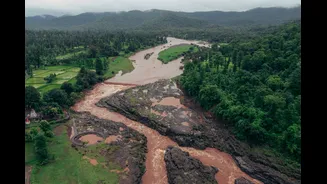
A Green Paradise Awakens
Nestled in the Kasmar block of Bokaro, about 50 kilometres from the district headquarters, Sevati Valley (also known as Sewati) is a destination that truly comes into its own during the rainy season. All year, it's a place of quiet, natural beauty, but
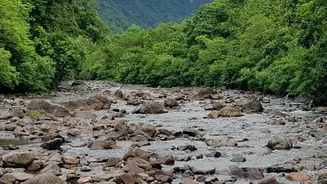
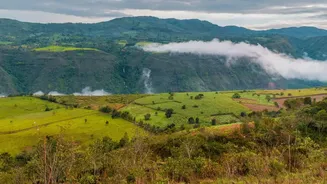
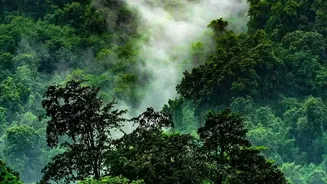
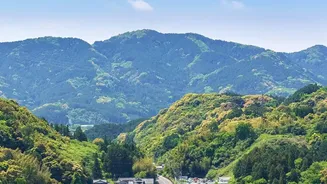
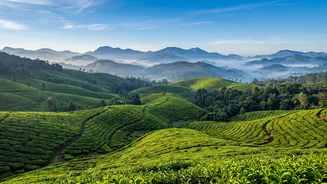
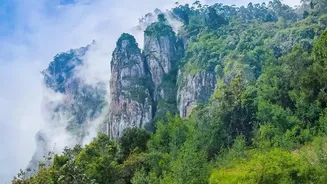
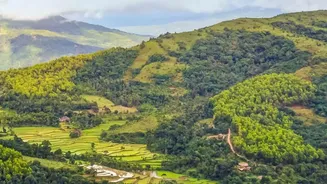
with the arrival of the monsoon, it undergoes a spectacular transformation. The rolling hills shed their drier look for a coat of vibrant, almost electric, green. Low-hanging clouds drift lazily across the peaks, blanketing the landscape in a soft mist and creating an atmosphere of serene seclusion. This seasonal makeover turns a simple scenic spot into a breathtaking escape for anyone looking to witness nature at its most dynamic and refreshing.
The Waterfall at the Valley's Heart
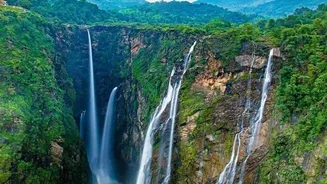
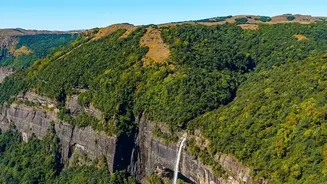
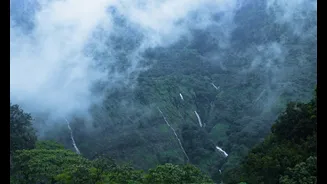
The undisputed star of Sevati Valley during the monsoon is its magnificent waterfall. Fed by the steady rains, what might be a trickle in other seasons becomes a powerful, gushing cascade of white water. Tumbling down the dark, rocky cliffs and framed by dense foliage, the waterfall is a magnet for visitors. The roar of the water fills the air, and the cool spray is a welcome sensation. Recent visitors and locals have noted that this year's monsoon has made the waterfall particularly spectacular, drawing travellers from across Bokaro and even neighbouring West Bengal. It has quickly become a favourite backdrop for photos, but more than that, it’s a place to simply stand and marvel at the raw power and beauty of the season.
More Than Just a Scenic View
The area surrounding Sevati Valley is steeped in a rich cultural and spiritual heritage that adds another layer to its appeal. The valley is part of a landscape that includes the revered Luguburu Ghantabari Dhorom Gadh, one of the most significant pilgrimage sites for the Santhal tribe. Luguburu, or Lugu Hill, is considered a sacred space, the dwelling place of the deity Lugu Baba, who is seen as a guardian of nature. For centuries, these hills have been a centre for Santhal faith and culture, a place where community laws and traditions were established. While Sevati Valley itself is primarily a natural attraction, visiting it offers a glimpse into this larger, sacred geography that defines the region and its people.
Planning Your Monsoon Trip
Reaching Sevati Valley is a journey that’s part of the adventure. The most common way to get there is by road from Bokaro Steel City, a drive of approximately 50 kilometres. A private car or a sturdy two-wheeler is the best option, as public transport to the immediate vicinity is limited. The nearest major railway station is in Bokaro, and for those travelling from further away, the closest airport is the Birsa Munda Airport in Ranchi. The drive from Bokaro takes you through rural Jharkhand, offering changing vistas as you approach the hills. Be prepared for roads that may be affected by the rains; drive cautiously and enjoy the scenic route.
Essential Tips for a Perfect Visit
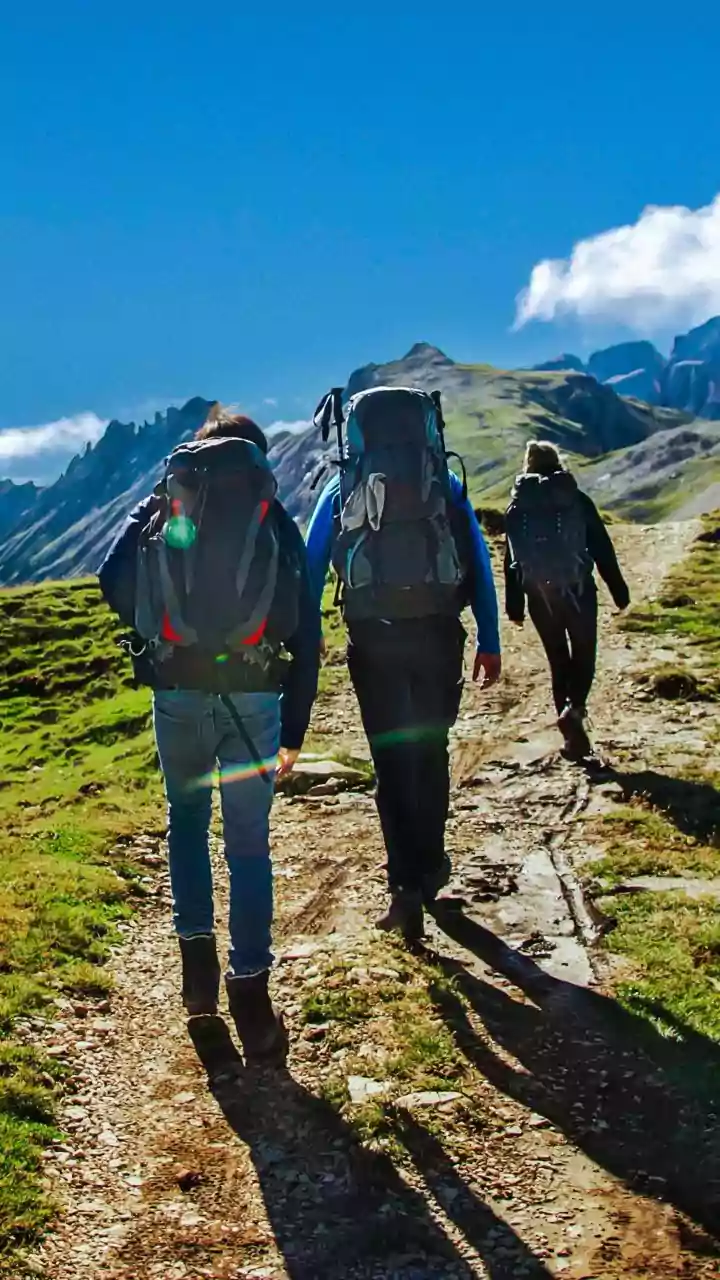
A monsoon trip requires a bit of extra preparation. Sturdy, waterproof footwear with good grip is essential, as paths can be slippery and muddy. Carry a raincoat or an umbrella to stay dry. Since the area is relatively undeveloped for tourism, it’s wise to bring your own food and water, as there are few shops or restaurants nearby. Please be a responsible tourist and carry your litter back with you to help preserve the valley's pristine beauty. While the monsoon (June to September) is ideal for seeing the waterfalls in full flow, the post-monsoon months from October to February offer clearer skies and pleasant weather, making it a great time for trekking on the hills.