





The Small-Home Stress Cycle
In a compact living space, every object left out of place contributes to a sense of disorder. A few books on the dining table, mail on the kitchen counter, and a stray jacket on a chair can quickly make the entire home feel chaotic. This visual noise
isn't just untidy; it's mentally exhausting. Studies have shown that cluttered environments can increase levels of cortisol, the stress hormone, making it harder to relax and focus. This creates a difficult cycle: the mess makes you feel stressed and overwhelmed, and feeling overwhelmed makes it harder to find the energy to clean, leading to more mess.
Your Visual Anchor Point
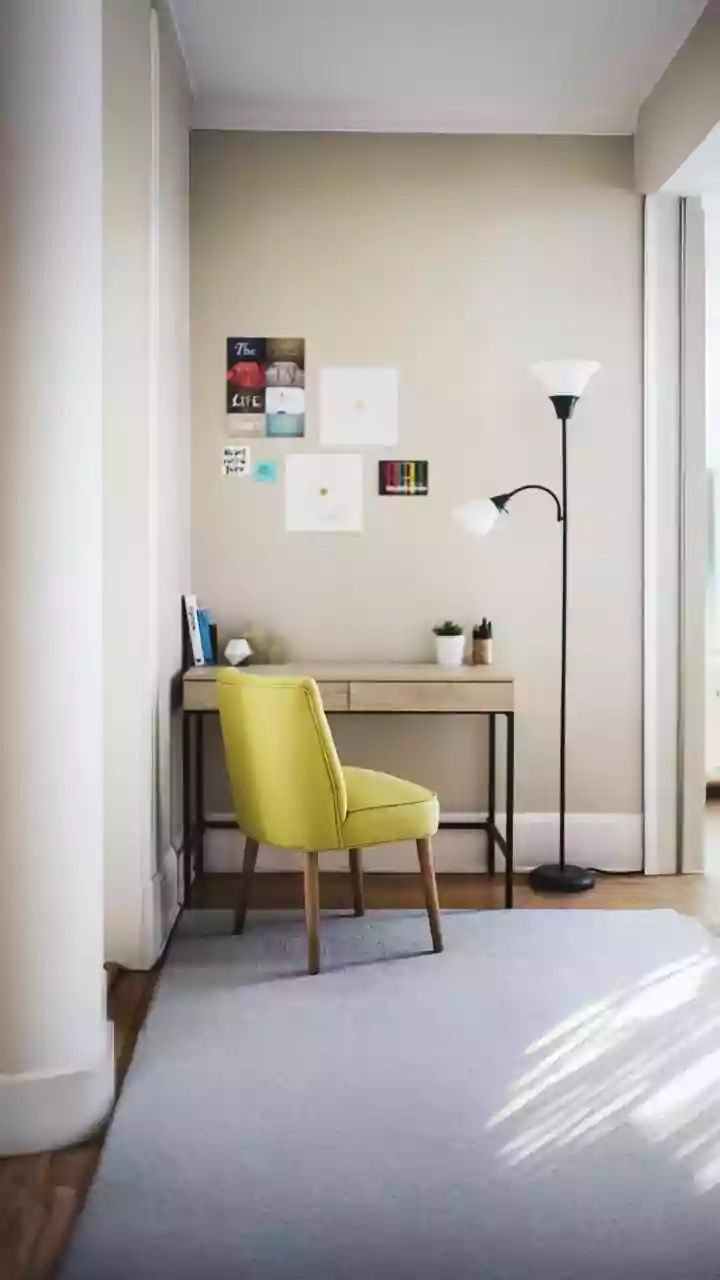
This is where the ‘one clear surface’ rule comes in. The concept is simple: choose one horizontal surface in your home and commit to keeping it completely clear at all times. It isn’t about becoming a minimalist overnight or decluttering your entire home in one go. It’s about creating a single, intentional zone of calm. This surface acts as a visual anchor, a spot your eyes can land on that signals order and control. Seeing this one tidy area provides an immediate psychological win and can change the feel of the entire room. It’s the visual equivalent of a deep breath.
The Psychology of the Reset
Why is this small act so effective? Because it drastically reduces cognitive load. A cluttered environment constantly sends signals to our brain about unfinished business, which can be overstimulating and drain our mental resources. By maintaining one clear surface, you create a point of visual rest. This single accomplishment can provide a sense of satisfaction and empowerment, making other tasks feel more manageable. It’s a starting point that builds momentum. Clearing one surface makes it easier to imagine clearing another, turning a daunting task into a series of achievable steps. This strategy is a cornerstone of many daily reset routines that focus on high-impact tasks to maintain a baseline of tidiness without the need for marathon cleaning sessions.
Choosing Your Champion Surface
The ideal surface is one that's highly visible and tends to attract clutter. Common candidates include the dining table, the kitchen island, a central coffee table, or a console table in the entryway. Some organisers refer to a designated entryway surface as a 'landing strip'—a specific place to put keys, mail, and bags as soon as you enter, preventing them from scattering throughout the house. While a landing strip is designed to hold things temporarily, the 'one clear surface' rule takes it a step further by aiming for complete emptiness. To succeed, everything that previously lived on your chosen surface needs a new, designated home. This might mean installing a key hook, adding a mail sorter to a desk, or simply getting into the habit of putting things away immediately.
From Rule to Routine
Making this habit stick is the final piece of the puzzle. The key is to integrate it into your existing daily routines. For example, make it a rule to clear and wipe down the kitchen counter after dinner every night. Or, spend two minutes clearing the coffee table before you go to bed. Attaching the new habit to an existing one makes it easier to remember and execute. Start small and be consistent. Don't get discouraged if you slip up. The goal is not perfection, but progress. Soon, the satisfaction of seeing that clean, open space will become its own reward, motivating you to keep it up.