




Custard Apple (Sitaphal)
Creamy, fragrant, and incredibly sweet, the custard apple is a true star of the season. Its peak availability runs from September through the early winter months. This knobbly green fruit has a soft, white pulp that is both delicious and packed with nutrients
like Vitamin C and A. When buying sitaphal, look for fruits that are firm but show signs of softening between the nodules, indicating ripeness. Avoid those with blackened or mouldy patches. Enjoy it on its own by scooping out the flesh, or use the pulp to make rich milkshakes, ice creams, or a classic sitaphal rabri for the festive season.
Sweet Potato (Shakarkandi)
As the air begins to cool, sweet potatoes make a welcome appearance. This versatile root vegetable is a staple of the autumn season in India. You'll often find street vendors selling roasted shakarkandi chaat, a delicious mix of boiled sweet potato chunks, spices, and lemon juice. Rich in fibre and vitamins, they are a healthier alternative to regular potatoes. Look for firm sweet potatoes with smooth skin and no soft spots. At home, you can roast them, boil them for a quick chaat, or even use them to prepare sweet dishes like halwa.
Water Chestnut (Singhara)
An aquatic vegetable rather than a nut, the singhara is a classic post-monsoon and early winter snack across North India. Harvested from lakes and ponds, it has a crisp, white interior with a mildly sweet flavour. Singhara is low in calories, gluten-free, and a good source of potassium and antioxidants. It's often eaten raw or boiled as a roadside snack, but its versatility shines in the kitchen. The flour (singhara atta) is widely used during fasting periods like Navratri to make puris and rotis. You can also add fresh, peeled singhara to stir-fries for a crunchy texture.
Pomegranate (Anaar)
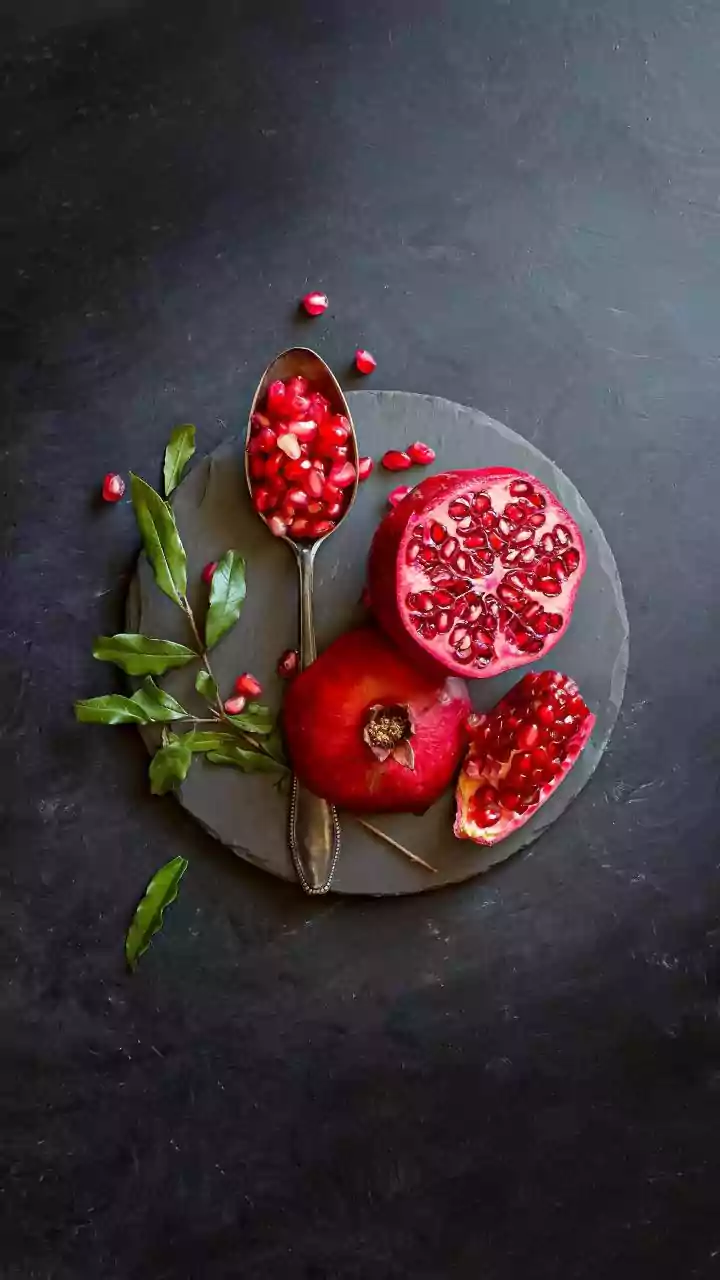
October sees pomegranates at their sweet and juicy best. These jewel-toned fruits are not just beautiful; they are packed with antioxidants and vitamins. The harvest season generally begins in late monsoon and continues into winter. When shopping, choose pomegranates that feel heavy for their size with firm, unblemished skin. The vibrant red arils are perfect for adding a pop of colour and a sweet-tart flavour to salads, raitas, and rice dishes. They also make a refreshing juice or a simple, healthy snack on their own.
Radish (Mooli)
With the cooling weather, radishes begin to appear in markets, marking the start of the winter vegetable season. This pungent root vegetable is a staple in many Indian households. Look for firm, crisp radishes with fresh, green leaves still attached, as the leaves are also edible and nutritious. Mooli can be grated and stuffed into parathas, sliced into salads for a sharp crunch, or pickled. The greens can be cooked like any other saag, making it a zero-waste vegetable.
Cauliflower and Cabbage
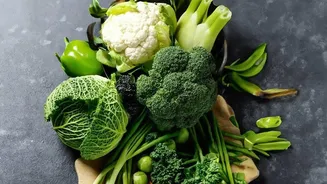
While available for longer thanks to cold storage, the best, most flavorful cauliflower and cabbage start arriving in October as the weather cools. This is the beginning of the prime winter season for cruciferous vegetables. Look for compact heads of cauliflower that are creamy white with no blemishes, and firm, heavy cabbages. This is the perfect time to enjoy classic dishes like Aloo Gobhi, Gobhi Manchurian, or a simple cabbage stir-fry, as the vegetables are at their crispest and sweetest.
Pumpkin (Kaddu)
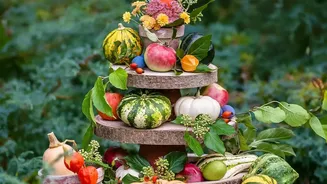
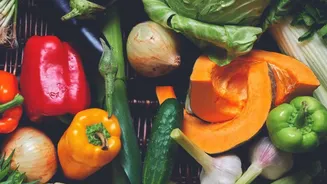
Pumpkin is a quintessential autumn vegetable, celebrated in various Indian cuisines. From the sweet and sour Bengali kumror chokka to the South Indian pumpkin pachadi, its culinary uses are vast. The natural sweetness of pumpkin pairs beautifully with a range of Indian spices. When choosing a pumpkin, look for one that has a firm, intact stem and feels heavy. It's a versatile ingredient that can be used in curries, soups, and even desserts, making it a must-have for your October kitchen.