




The New Beauty Boomtowns
For years, the narrative of Indian retail was dominated by the consumption habits of major metropolitan centres. But in the world of beauty and personal care, the script has flipped. E-commerce giants and direct-to-consumer (D2C) brands are witnessing
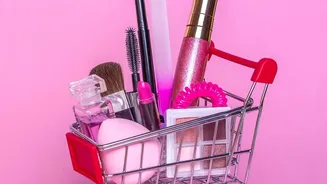
explosive growth not from Mumbai or Delhi, but from cities like Gorakhpur, Cuttack, Jaipur, and Ludhiana. Reports from major platforms like Flipkart indicate that a significant majority of new shoppers and searches for beauty products now originate from non-metro areas. Some estimates suggest these Tier 2 and Tier 3 cities will account for nearly two-thirds of all new orders in the D2C space. This isn't just about volume; it's about value too, with demand for premium beauty products in these regions growing rapidly. This surge signifies a fundamental democratisation of the beauty market, previously hampered by limited distribution and access in smaller towns.
What's Fuelling the Surge?
Several powerful forces are converging to create this non-metro boom. The most critical is the combination of widespread smartphone penetration and affordable data, which has exposed millions to global trends, beauty influencers, and a universe of products previously out of reach. E-commerce platforms like Nykaa, Amazon, Myntra, and Purplle have effectively solved the problem of local availability, offering a vast catalogue that local brick-and-mortar stores cannot match. Furthermore, the rise of social commerce, particularly video-based content on platforms like Instagram and YouTube, has been a game-changer. Regional influencers and vernacular content creators build a layer of trust and relatability, making product discovery and education seamless for new consumers. Their tutorials and reviews are breaking down barriers and simplifying purchase decisions for everything from skincare serums to complex makeup products.
The Evolving Non-Metro Consumer
The stereotype of the non-metro consumer seeking only basic or discounted products is outdated. Today's shopper from smaller Indian towns is informed, aspirational, and increasingly sophisticated. They are moving beyond simple kajal and lipstick to embrace multi-step skincare routines, including serums, sunscreens, and specialised treatments. There is also a significant uptick in the men's grooming category, with searches for face wash, serums, and sunscreens for men surging in these regions. This evolution is driven by a desire for self-expression and the view of personal care as a daily wellness ritual rather than a luxury for special occasions. As a result, shoppers are willing to experiment with and invest in premium, science-backed, and even clean-beauty brands that align with their values.
How Brands are Cracking the Code
Brands and platforms succeeding in this new landscape are the ones that understand that a one-size-fits-all metro strategy will not work. Winning requires a hyperlocal approach. This includes offering app interfaces in vernacular languages, running targeted digital marketing campaigns, and collaborating with a diverse network of regional content creators who can connect authentically with local audiences. Logistics is another critical piece of the puzzle. Companies are investing heavily in their supply chains to ensure reliable and timely delivery to even remote pin codes, as fulfilment reliability is a key driver of trust and repeat purchases. While digital discovery is key, some brands are also establishing a physical presence in Tier 2 cities through kiosks or stores, creating an omnichannel experience that allows customers to touch and feel products before buying.