



The End of the 'Off-Season'
For years, the Indian travel calendar was predictable: summer for the mountains, winter for the beaches, and the monsoon for staying home. That pattern is rapidly changing. Instead of a lull, the months from June to September are now seeing a significant
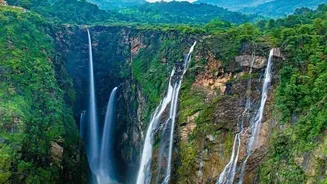
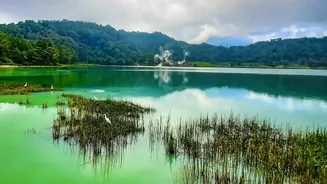
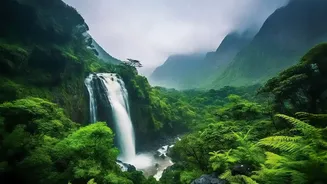
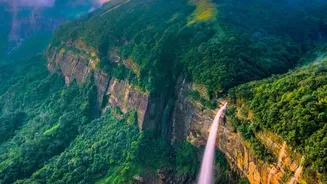
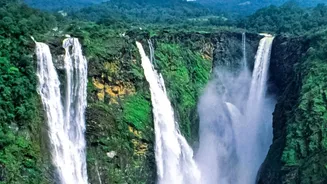
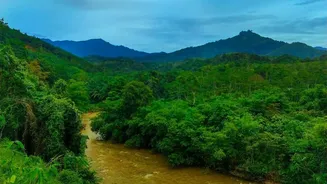
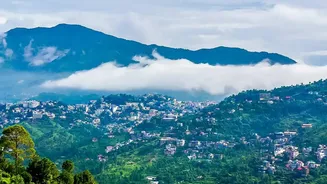
surge in domestic travel. Fresh booking data shows that hotel bookings have jumped by nearly 54% year-on-year during this period, indicating that travellers are eagerly embracing rain-soaked landscapes. The idea of a quiet, discounted 'off-season' is fading as destinations once considered too wet for travel are becoming year-round hotspots. This shift suggests a newfound appreciation for the unique beauty the monsoon brings, from lush green hills to roaring waterfalls.
What's Driving the Downpour of Tourists?
Several factors are fuelling this monsoon travel phenomenon. A key driver is the evolution of work culture. The rise of 'work-from-anywhere' and 'workcation' models allows professionals to blend work and leisure, extending their stays in scenic locations without eating into their leave balance. Instead of short weekend dashes, travellers are opting for longer stays of two to four weeks, seeking comfortable homestays and hotels with reliable internet. Furthermore, there is a growing desire for experiential travel. Today's travellers are choosing destinations that align with personal interests like wellness, nature, and cultural exploration, rather than just seasonal conventions. The romanticised image of the monsoon, amplified by social media, has turned misty mountains and green valleys into must-have experiences.
From Discounts to Guaranteed Bookings
This surge in demand has fundamentally altered the market dynamics. While the monsoon once meant deep discounts and last-minute deals, travellers now face a different reality. The priority has shifted from bargain hunting to ensuring availability. With hotel occupancy rates across key Indian markets holding steady at around 70-74%, properties in popular monsoon destinations are filling up fast. This has sustained the pricing power of hotels, with travellers willing to book earlier and pay premium rates to secure their preferred accommodations. The peace of mind that comes with a confirmed booking now outweighs the thrill of a potential discount, with flexible booking options and travel insurance becoming central to the planning process.
Rain-Washed Hotspots
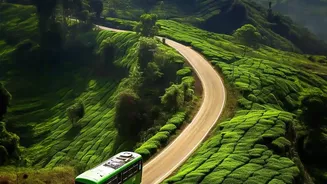
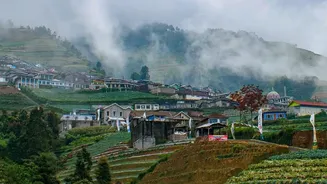
While classic destinations remain popular, the monsoon boom is widespread. The Western Ghats are a major draw, with places like Coorg, Chikmagalur, Lonavala, and Mahabaleshwar turning into verdant wonderlands. In Kerala, Munnar's tea plantations and the Alleppey backwaters offer a tranquil, rain-drenched escape. Even Goa, traditionally a winter destination, is seeing a renaissance, with bookings growing over 110% as travellers explore its greener, quieter side. Beyond the usual suspects, hill stations like Rishikesh and Mussoorie have seen a massive spike in interest, with searches increasing by over 200% and 160% respectively. This indicates a broadening of the monsoon travel map as Indians explore the diverse beauty of their own country.
Planning Your Monsoon Getaway
For anyone planning a trip during these months, the message is clear: plan ahead. The days of spontaneous, cheap monsoon trips to popular spots are numbered. Booking flights and accommodation 4 to 8 weeks in advance is now advisable for domestic travel to secure reasonable prices and availability. Given the high demand, it's also wise to be flexible with travel dates; flying mid-week is often cheaper than on weekends. As the line between peak and off-peak season continues to blur, travellers who are organised and book early will be the ones who get to enjoy the magic of India's monsoon without the stress of finding a last-minute place to stay.