








Beyond Biceps: A New View of Heart Health
The long-held belief in fitness circles has been simple: if you want to improve your cardiovascular fitness, you hit the treadmill, elliptical, or bike. Resistance training, on the other hand, was primarily for building muscle mass and strength. While
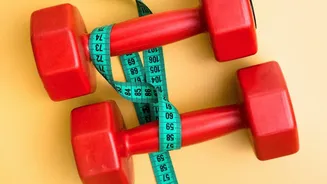
aerobic exercise is undeniably crucial for heart and lung health, a growing body of scientific evidence is revealing that lifting weights does much more than just sculpt your arms and legs. It plays a significant and direct role in supporting your cardiovascular system, challenging the old notion that the two forms of exercise live in separate worlds.
What the Research Reveals
Recent studies and meta-analyses have consistently shown that resistance training is a powerful tool for reducing cardiovascular disease risk. One major meta-analysis published in the British Journal of Sports Medicine found that just 30 to 60 minutes of muscle-strengthening activity per week was associated with a 17% lower risk of cardiovascular disease. The mechanisms behind these benefits are numerous. Regular strength training can lead to significant reductions in resting blood pressure, improve the function and elasticity of blood vessels, and lead to healthier cholesterol profiles by increasing HDL ('good') cholesterol and reducing LDL ('bad') cholesterol. It helps the body become more efficient at processing blood sugar, which is crucial since poor glucose control is a major risk factor for heart disease.
How Lifting Strengthens Your Heart
It’s helpful to remember that the heart is a muscle. When you perform a set of squats or push-ups, your muscles demand more oxygen-rich blood. To meet this demand, your heart has to work harder, pumping more blood with each beat. This temporary increase in workload, when performed consistently, strengthens the heart muscle itself, making it more efficient at its job both during exercise and at rest. Furthermore, building more lean muscle mass boosts your overall metabolism. A more metabolic body is better at managing body fat, including the visceral fat around the organs that is particularly detrimental to heart health. By improving your body composition, strength training reduces the overall strain on your heart in the long run.
Is It a Replacement for Cardio?
So, can you ditch the treadmill for dumbbells entirely? The short answer is no. While strength training provides significant cardiovascular benefits, it works differently from traditional aerobic exercise. Aerobic exercise is still considered the gold standard for improving VO2 max—the maximum amount of oxygen your body can utilize during intense exercise. A high VO2 max is a powerful indicator of cardiorespiratory fitness and longevity. Some studies show that while certain types of resistance training, like circuit training, can moderately improve VO2 max, aerobic exercise generally produces superior results in this specific metric. Therefore, strength training shouldn't be seen as a replacement for cardio, but as a powerful and essential partner.
The Power of Combination
The consensus among experts is clear: the most profound health benefits come from combining both strength training and aerobic exercise. Research indicates that individuals who meet the guidelines for both types of activity see a much greater reduction in cardiovascular disease mortality risk—up to 40-50% lower—than those who only do one. The two forms of exercise are complementary. Cardio strengthens the heart's ability to pump efficiently for sustained periods, while strength training improves the health of your blood vessels and builds a metabolically active foundation. Think of it as a comprehensive approach: cardio is training the engine, and strength training is upgrading the entire chassis and plumbing of the vehicle. A recent study even found that splitting exercise time between aerobic and resistance training provided the same cardiovascular risk reduction as an aerobic-only plan, with the added benefits of increased muscle strength.