







The Great Digital Darshan
Every year, when the registration for the Shri Amarnathji Yatra opens, a familiar scene unfolds. The designated bank websites and mobile apps, which serve as the official gateways for securing a spot on this sacred pilgrimage, experience a phenomenal
surge in traffic. For hours, pages refuse to load, payment gateways time out, and slots vanish in minutes. While it’s easy to blame technical infrastructure, the real story isn't about server capacity; it's about a dramatic shift in demand. The headline-grabbing 'crash' is a symptom of a much larger trend: the Yatra, one of India's most revered and challenging pilgrimages, is now on the bucket list of a new generation. Young, organized, and digitally savvy trekking groups from across the country are descending upon the registration portals with an enthusiasm that is overwhelming the system.
From Pilgrimage to Peak Adventure
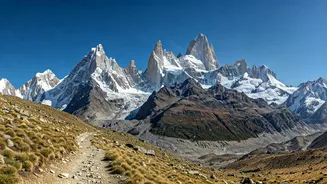
What is driving this unprecedented rush? The answer lies in the changing perception of the Amarnath Yatra itself. For decades, it was primarily seen as a journey of pure faith, undertaken mostly by older devotees. Today, it is increasingly viewed through a dual lens: one of spiritual significance and another of high-altitude adventure. The trek to the holy cave, situated at an altitude of 3,888 metres in the Himalayas, is physically demanding. It involves days of walking through rugged terrain, facing unpredictable weather, and acclimatizing to low oxygen levels. This very challenge is what now attracts young Indians who have embraced trekking and adventure sports. For them, the Yatra is not just a religious obligation but a physical and mental test, a spiritual trek that offers the same adrenaline rush as an expedition to a Himalayan base camp.
The Instagram-ification of the Yatra
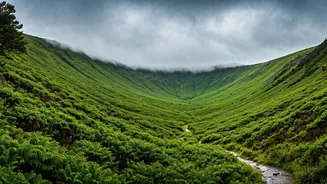
Social media has played a transformative role in this trend. Platforms like Instagram, YouTube, and Facebook are filled with breathtaking reels and vlogs from the Yatra. Stunning visuals of the snow-clad mountains, the winding trails along the Lidder and Panchtarni rivers, and the divine ice lingam inside the cave have created a powerful, aspirational narrative. Past pilgrims, many of them young, share detailed guides, packing lists, and day-by-day accounts of their journey. This digital word-of-mouth has demystified the pilgrimage, making it seem more accessible and appealing to a generation that plans its travel based on visual inspiration. The journey has become 'Instagrammable,' a shareable experience that combines faith, fitness, and stunning scenery, prompting thousands more to follow in their footsteps.
A New Profile of the Yatri
The modern young yatri often looks different from their predecessors. They travel in groups of friends or with professional trekking companies, not just with family. They are kitted out in modern trekking gear—proper hiking boots, waterproof jackets, and backpacks filled with energy bars and electrolytes alongside prayer essentials. They are well-researched, having consulted numerous online forums and travel blogs before embarking on the journey. This new demographic is typically from urban and semi-urban centres, and they see the pilgrimage as a holistic experience. They are there for darshan, but also for the camaraderie, the physical exertion, and the chance to disconnect from their hyper-connected lives, even as they document their journey for their online followers.
New Pressures on an Ancient Path
This surge in popularity, while a testament to the Yatra’s enduring appeal, places immense strain on the organisers and the fragile Himalayan ecosystem. The Shri Amarnathji Shrine Board (SASB) faces the massive task of ensuring the safety and well-being of an ever-increasing number of pilgrims. The daily and route-wise caps on pilgrim numbers are not just arbitrary; they are crucial for managing accommodation, medical facilities, security, and sanitation along the treacherous paths. The overwhelming registration rush highlights the tension between growing demand and the logistical and ecological limits of the region. As more young people join the Yatra, the challenge will be to manage their expectations and ensure the pilgrimage remains safe, sustainable, and spiritually profound for everyone.