




Beyond Sightseeing
For generations, a successful holiday was measured by the number of monuments visited and photos clicked. Today, that model is being rewritten by millennials and Gen Z. Experience-led travel, also called experiential or immersive travel, prioritises active
participation over passive observation. Instead of just visiting a spice plantation, it’s about learning to cook with a local family; instead of just seeing a temple, it’s about joining a yoga retreat nearby; instead of just staying in a hotel, it's about living in a heritage homestay. This approach focuses on creating a deeper, more personal connection with the culture, people, and traditions of a place, turning a trip into a story rather than a series of snapshots. Reports indicate this is not just a trend but a structural shift, with experiential travel expected to become a dominant segment of India's tourism industry.
The Quest for Authentic Stories
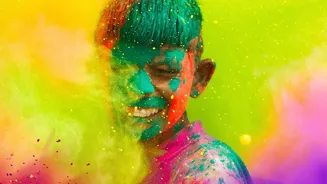
A key driver behind this shift is a deep-seated desire for authenticity. Young travellers are increasingly looking to escape the curated, often crowded, tourist traps. They are seeking out 'hidden gems' and offbeat destinations to connect with the local way of life. This can mean anything from celebrating Holi in Mathura to learning Kathakali in Kerala or trekking through the Spiti Valley. Social media plays a complex role in this quest. While platforms like Instagram and YouTube are major sources of travel inspiration, the goal has evolved. It's no longer about posting a picture in front of a famous monument but about sharing a unique story—a video of a pottery class, a reel from a local festival, or a blog post about a challenging trek. This hunt for original, share-worthy moments pushes travellers to seek experiences that are both unique and personally meaningful.
Shorter, Frequent, and Purpose-Driven Trips
The traditional annual family vacation is making way for shorter, more frequent getaways. Many young Indians are opting for multiple 'mini-breaks' throughout the year instead of one long holiday. This trend is driven by a desire to fit travel more seamlessly into their daily lives, balancing work, study, and the urge to explore. This model also encourages more purposeful travel. With shorter timeframes, the 'what' becomes as important as the 'where'. A weekend trip might be entirely dedicated to a wellness retreat, a food festival, or an adventure sport. This shift also reflects changing financial habits; while they might spend less on accommodation, young travellers are willing to allocate significant budget towards unique activities, indicating that the experience itself is the primary investment.
A New Definition of Luxury and Value
For this generation, luxury isn't about five-star ratings as much as it is about exclusivity and personalisation. A private dinner in a historic fort or a curated tour based on personal interests is seen as more luxurious than a generic high-end hotel stay. It's about the quality and emotional resonance of the experience. At the same time, this is a generation of savvy, value-conscious planners. They are adept at using digital tools and AI to plan their own trips, often preferring independent itineraries over packaged tours. This allows them to balance costs with their desire for authentic activities. They might choose a budget stay to be able to afford a scuba diving course or a guided cultural walk, proving that value is measured in memories, not just material comforts.