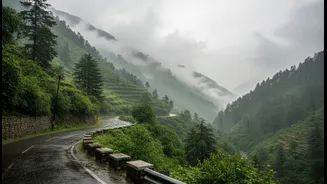



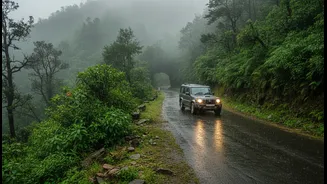
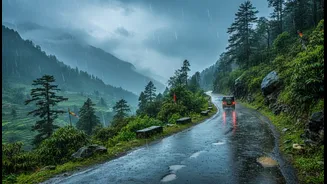



Monsoon's Fury: Alerts and Advisories
The monsoon is active across Himachal Pradesh, with the India Meteorological Department (IMD) issuing multiple warnings. As of early July 2026, orange and yellow alerts are in place for several districts, including Shimla, Kullu, Mandi, Kangra, and Sirmaur,
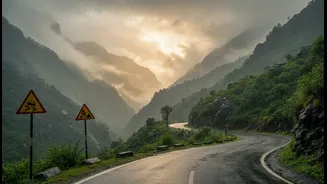
forecasting heavy to very heavy rainfall. This intense rain significantly increases the risk of landslides, flash floods, and hazardous road conditions. Authorities have cautioned residents and tourists to remain vigilant, avoid vulnerable areas, and stay clear of rivers and streams whose water levels can rise without warning. The state government has put district administrations on high alert and deployed disaster response teams to handle emergencies.
Key Routes at High Risk
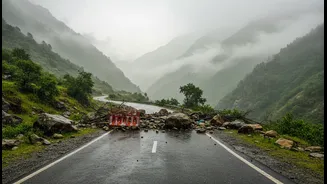
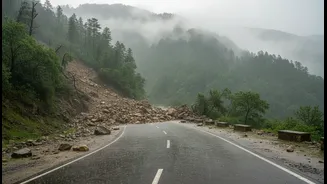
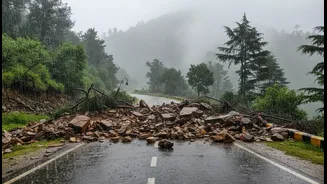
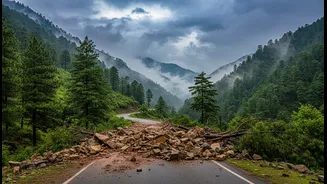
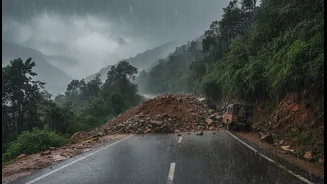
Several major national highways and popular tourist arteries are notoriously susceptible to disruption. The Hindustan-Tibet Road (National Highway 5), which connects Kinnaur and Shimla, has seen multiple blockages due to flash floods and debris near areas like Cholling. Similarly, the Chandigarh-Manali highway (NH-3) is prone to landslides, especially on the Mandi-Kullu stretch. Even the famed Manali-Leh highway has experienced temporary closures due to flash floods at Jispa. Ongoing road-widening projects, such as on the Solan-Shimla section, further destabilize the terrain, increasing the risk of mudslides and skidding. Travellers should be aware that even after roads are cleared, the journey can be slow and fraught with bottlenecks.
Understanding the Dangers
The Himalayan geology is young and fragile, making it inherently unstable. The monsoon exacerbates this vulnerability. Heavy rainfall saturates the soil, loosening its grip and leading to landslides and mudflows that can sweep away entire sections of road. Adding to this are man-made factors like deforestation and relentless construction, which have disturbed the natural slopes. The phenomenon of "shooting stones"—where loose rocks and boulders tumble down hillsides—is a common and deadly hazard, especially along steep cuttings. Flash floods occur when intense, localized cloudbursts cause small streams (nullahs) to swell into raging torrents in minutes, washing away roads and bridges.
Your Pre-Travel Safety Checklist
Before embarking on a journey to Himachal during the monsoon, preparation is everything. First and foremost, monitor the weather forecasts from the IMD closely. Check the real-time road status by following the social media handles of the Himachal Pradesh Police and the State Disaster Management Authority. Never drive at night in the mountains during the rains; visibility is poor and fresh landslides are hard to spot. Always build buffer days into your itinerary to account for unexpected blockages. It's also wise to book refundable hotels or accommodations with flexible cancellation policies. Pack an emergency kit with a torch, power bank, first-aid supplies, and dry food items.
On the Road: Navigating with Caution
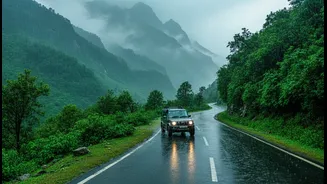
Once you are on the road, your safety depends on making conservative decisions. Trust the advice of local police and experienced drivers over your GPS. Maintain a safe distance from rivers and streams. Do not attempt to cross a flooded road or a section with flowing debris, no matter how shallow it appears. Avoid stopping your vehicle in areas marked as landslide-prone or directly below steep hillsides. If you get stuck in a traffic jam due to a blockage, stay in your vehicle unless instructed otherwise by rescue personnel. The most important rule is to prioritize safety over your schedule. Being flexible and patient is not just a suggestion; it's a survival strategy in the Himalayan monsoon.