





Why Cats Crave a Touch of Green
While cats are obligate carnivores, meaning their diet must consist of meat, their wild ancestors consumed greens indirectly by eating prey that had grass in their stomachs. This instinct carries over to our domestic companions. Offering them a patch
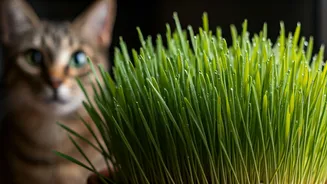
of grass provides mental stimulation and enrichment, especially for indoor cats, safely bringing a bit of the outdoors inside. More importantly, it serves a biological purpose. The fiber in grass aids their digestive system. It can help move along ingested fur, preventing uncomfortable hairballs, and can also assist with constipation. Unlike outdoor lawns which may be treated with harmful pesticides, a pot of homegrown wheatgrass is a safe and healthy alternative.
Wheatgrass: A Feline Superfood
Often sold as 'cat grass' or 'pet grass', wheatgrass is the young shoot of the common wheat plant, harvested before the grain develops. This means it is gluten-free and safe for cats. It is packed with nutrients that can supplement your cat's regular diet, including vitamins A, C, and E, as well as minerals, enzymes, and chlorophyll. The primary benefit for digestion comes from its high fiber content. This fiber acts as a natural laxative, helping to ensure smooth bowel movements and making it easier for your cat to pass hairballs. By providing this natural digestive aid, you can help reduce the chances of blockages and discomfort for your furry friend.
Your Indoor Gardening Shopping List
Growing wheatgrass is a simple and rewarding project that requires minimal supplies. The most important choice is using organic materials to ensure you are not introducing any harmful chemicals to your pet. Here’s what you’ll need: - Organic hard red wheat seeds (often called wheat berries) - A shallow container or pot with drainage holes - Organic potting soil or a soil-free medium like coconut coir - A spray bottle for misting Starting with organic seeds is crucial to avoid any pesticides or fungicides that might be present on conventional seeds. You can find all of these items at a local garden center or online.
A Step-by-Step Guide to Growing
In about a week, you can go from seed to a lush patch of grass for your cat to enjoy. Follow these simple steps: 1. Soak the Seeds: Measure out enough seeds to cover the surface of your pot and soak them in water for 8-12 hours. This kickstarts the germination process. 2. Plant: Fill your container with about an inch or two of moist potting soil. Drain the soaked seeds and spread them evenly across the soil surface in a dense single layer. 3. Water and Cover: Gently mist the seeds with water. To keep them moist, you can cover the pot with plastic wrap or another tray, which creates a mini-greenhouse effect. Place the pot in a location that is not in direct sunlight. 4. Sprout and Green: In a few days, you'll see small white roots and then green shoots. Once the grass is about an inch or two tall, remove the cover and move the pot to a spot with bright, indirect sunlight. 5. Grow and Maintain: Water daily to keep the soil damp but not waterlogged. The grass grows quickly and should be ready for your cat when it reaches about 4 inches in height, which usually takes 7-10 days.
Serving and Safety
Most cats will be immediately drawn to the grass and begin nibbling. You can simply place the pot in an accessible area and let your cat graze at will. However, it's a good idea to supervise them at first. While wheatgrass is safe, consuming too much too quickly can sometimes lead to vomiting, as cats lack the enzymes to break down large amounts of plant matter. If your cat tends to overindulge, you might limit their access to short, supervised sessions each day. A few nibbles a day is all they need to reap the benefits. Do not be alarmed if your cat vomits after eating grass; this is a natural way for them to clear hair or other indigestible material from their stomach. However, if vomiting is persistent, it's always best to consult your vet.