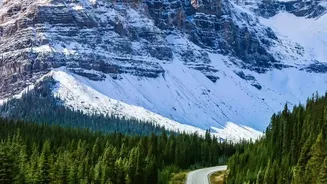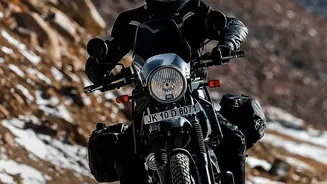




The idea of a winter road trip in India, with snow-dusted landscapes and quiet roads, is undeniably romantic. But turning this dream into a safe reality requires careful planning, especially when it comes to unpredictable weather and road access.
Understanding the Winter Landscape
A winter
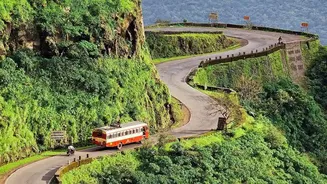
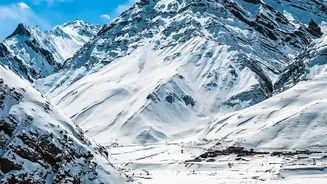
road trip in India offers vastly different experiences depending on the region. While southern and coastal routes like the drive from Mumbai to Goa offer milder weather, the real adventure lies in the Himalayas. Regions like Himachal Pradesh, Uttarakhand, and Ladakh transform into stunning winter wonderlands. However, this beauty comes with challenges. Heavy snowfall, sub-zero temperatures, and the risk of landslides can make mountain roads treacherous and unpredictable. High-altitude passes, which are major attractions and crucial connectors, are often the first to close. The key to a successful trip is flexibility; be prepared for your itinerary to change based on weather and road conditions.
Key Himalayan Passes: Know Before You Go
Many of India’s most iconic road trips involve crossing high-altitude passes, most of which have seasonal closures. The Manali-Leh Highway, a bucket-list drive for many, typically closes from November until late May or June due to heavy snow on passes like Rohtang and Baralacha La. Similarly, the Srinagar-Leh Highway, which crosses the formidable Zoji La pass, usually shuts from around November to April. While the Border Roads Organisation (BRO) works tirelessly to extend the open season, and some passes have seen shorter closures in recent years, relying on a fixed schedule is risky. The Atal Tunnel now provides year-round access to Lahaul, but onward journeys to Spiti or Ladakh remain seasonal. Always check official sources for the latest status before you travel.
Vehicle Preparation is Non-Negotiable
Your vehicle is your lifeline on a winter road trip. Cold weather is tough on cars, reducing battery efficiency and affecting engine performance. Before you start, get a thorough check-up. Ensure your battery is healthy and the engine has the correct grade of oil and antifreeze coolant. Tyres are critical for grip on icy surfaces. While all-season tyres may suffice in milder conditions, dedicated winter tyres are highly recommended for driving in heavy snow. It's also wise to carry snow chains and know how to fit them. Check that your heater, defroster, and wipers are all in perfect working order to maintain clear visibility.
Safe Driving on Treacherous Roads
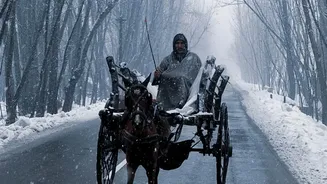
Driving in snow and fog requires a different mindset. The number one rule is to slow down. Fog dramatically reduces visibility, and high-beam headlights only worsen it by reflecting light back at you; always use low beams or fog lamps. On snowy or icy roads, gentle is the keyword. Accelerate gently, brake smoothly, and take turns slowly to avoid skidding. Maintain a much larger following distance than you normally would to account for increased stopping distances. Be extremely cautious of 'black ice'—a transparent, thin layer of ice that can form in shaded areas, on bridges, or overpasses, making the road appear merely wet.
Pack for Safety and Survival
While warm clothing is a given, your packing list should extend to emergency supplies. Road closures can leave you stranded for hours, so having an emergency kit is crucial. This should include a comprehensive first aid kit, extra food and water, high energy snacks, a powerful torch with extra batteries, and a fully charged power bank for your phone. A shovel can be invaluable if you need to dig your car out of snow. It’s also smart to carry blankets or a thermal blanket for warmth in case your car's heater fails or you run out of fuel.