



Understanding the Enemy: Moisture and Air
Most artificial and gold-plated jewellery isn't made from solid precious metals. Instead, it features a base metal like copper, brass, or a metal alloy coated with a thin layer of gold or another finish. The real culprit behind tarnishing is a chemical
reaction between these base metals and the environment. When exposed to moisture, humidity, and oxygen, the base metal begins to oxidise. This process can cause the piece to darken, discolour, or develop a greenish tint that eventually shows through the plating. Even everyday substances like sweat, perfumes, and lotions can accelerate this process by trapping moisture and chemicals against the metal's surface.
The Golden Rule: Keep It Dry
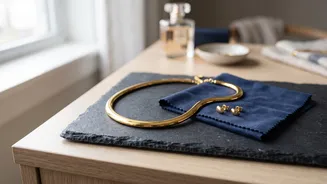
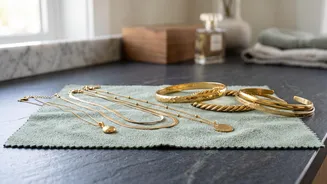
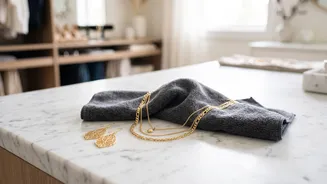
The single most important rule for preserving your fashion jewellery is to keep it dry. Moisture is the primary catalyst for oxidation and tarnish. This is why the bathroom is the worst place to store your collection; steam from showers creates a highly humid environment that will speed up discolouration. Always choose a cool, dry storage location like a bedroom drawer or a closet. Before you put any piece away, make sure it is completely dry. Wiping your jewellery with a soft, dry cloth after each wear removes residual moisture, oils, and sweat, which makes a significant difference in its longevity.
Smart Storage Starts with Separation
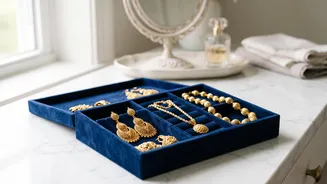
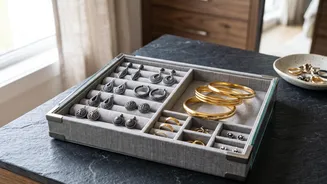
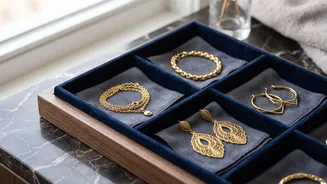
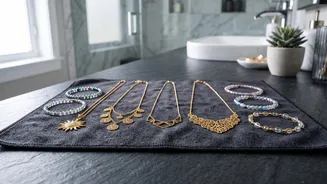
Tossing all your jewellery into one box might be convenient, but it's a recipe for disaster. When pieces rub against each other, the friction can scratch and wear away the thin gold plating, exposing the vulnerable base metal underneath. This is one of the most common causes of premature wear. Tangled chains and stacked rings also lead to contact damage. The solution is to store each item separately. This prevents scratching, stops chains from tangling, and minimises chemical reactions between different metals. Giving each piece its own space is a non-negotiable step for long-term care.
Your Dry Storage Toolkit
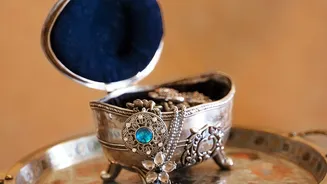
Creating the perfect dry storage environment is easier than you think. Start with airtight containers, which dramatically reduce exposure to air and humidity. Simple zip-lock bags work well; just be sure to press out any excess air before sealing. For a more organised setup, invest in a jewellery box with a soft fabric lining and separate compartments. To combat humidity, add a few small silica gel packets to your jewellery box to absorb excess moisture. Anti-tarnish strips or pouches are another great tool, as they absorb the airborne pollutants that cause tarnishing.
Special Care for Oxidised Jewellery
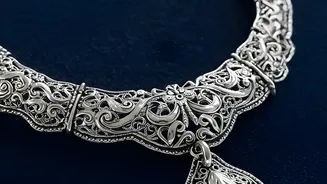
Unlike gold-plated pieces where you want to prevent tarnish, oxidised jewellery is intentionally darkened to give it an antique, detailed look. The goal here is not to prevent all darkening but to preserve this special finish. Harsh chemical cleaners, abrasive scrubbing, and even aggressive polishing can strip away the intended oxidised layer, ruining the design. For these pieces, care is about maintenance. After wearing, gently wipe them with a soft, dry cloth to remove oils and dust. Storing them in a separate, airtight pouch is crucial to prevent further, unwanted environmental reactions while protecting the delicate finish from scratches. Never use water or cleaners unless absolutely necessary, as moisture can lift the oxidised layer over time.
What to Avoid at All Costs
A few simple habits can dramatically extend the life of your jewellery. Always apply perfumes, hairsprays, and lotions before putting on your accessories, and allow them to dry completely. The chemicals in these products can erode the plating. It’s also essential to remove your jewellery before showering, swimming, or exercising, as water and sweat are primary drivers of tarnish. Finally, avoid storing your pieces in direct sunlight, as it can cause some materials to fade or become brittle. A cool, dark, and dry place is always the best home for your collection.