






Tyres: Your Only Link to the Road
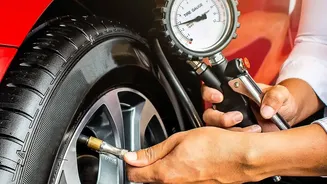
Your tyres are the single most critical safety feature on a wet mountain road. Good tread is essential for grip and to prevent aquaplaning, where a layer of water builds up and causes you to lose control. Before your trip, check that your tyre tread depth
is at least 3mm. You can use a coin to get a rough idea; if the tread is too shallow, it's time for a replacement. Also, check the tyre pressure when the tyres are cold, and don't forget to inspect the spare. A flat spare during a downpour is a nightmare you don't need.
Brakes: Your Lifeline on Slopes
Driving downhill on slippery roads puts enormous strain on your brakes. Stopping distances are significantly longer on wet surfaces, so your braking system must be in top condition. Listen for any squealing or grinding noises, and if the brake pedal feels spongy or unresponsive, get it checked immediately. A mechanic should inspect the brake pads, discs, and brake fluid levels to ensure everything is working optimally. Remember, on steep descents, using a lower gear (engine braking) can help reduce the wear on your brakes.
Wipers and Visibility: See and Be Seen
Heavy rain and fog can reduce visibility to almost zero in the hills. Your wiper blades are your first line of defence. After a hot summer, rubber blades can become hard and cracked, leaving streaks on the windshield. Test them with washer fluid; if they skip, chatter, or fail to clear the glass effectively, replace them. It's a small investment for a massive safety boost. Also, top up your windshield washer fluid with a proper cleaning solution, not just water. Applying a rain-repellent coating to the exterior of the glass can also dramatically improve visibility.
Lights and Electricals: Cut Through the Gloom
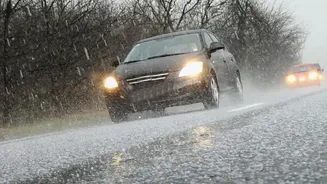
In a downpour or thick fog, your lights are crucial for both seeing the road and being seen by other drivers. Do a complete walk-around of your car and check all lights: headlights (low and high beam), taillights, brake lights, and indicators. Ask a friend to help you confirm the brake lights are working. If your headlight lenses are yellowed or foggy, use a restoration kit to clean them; a clear lens can significantly improve brightness. During heavy rain, always drive with your low-beam headlights on, even during the day.
Engine and Fluids: The Heart of Your Vehicle
Hill driving is demanding on your engine. Long, steep climbs can cause overheating, especially in slow-moving traffic. Before you leave, check all your essential fluids, including engine oil, coolant, and brake fluid. The coolant should be at the correct level and not look rusty or discoloured. Also, ensure your AC is functioning properly. It's not just for comfort; in humid conditions, the AC is the fastest way to defog the inside of your windshield.
The Interior and Emergency Kit
Monsoon readiness extends inside the car too. To prevent musty smells and mould, consider using rubber or 3D floor mats instead of fabric ones, as they don't absorb water. Keep a few towels handy to wipe down wet seats or dashboards. Most importantly, pack an emergency kit. This should include a tow rope, a powerful torch, a first-aid kit, a tyre inflator and puncture repair kit, and some non-perishable snacks and water in case you get stranded. A fully charged power bank for your phone is also a modern-day essential.