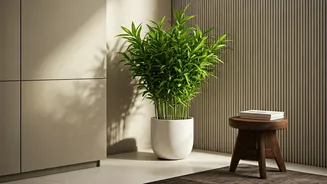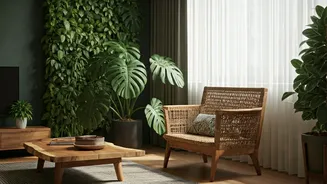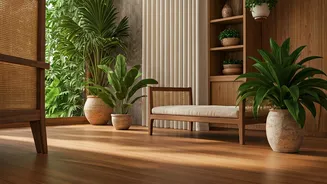









The Rise of the 'Breathing Home'
The core idea behind this trend is simple: our homes should support our well-being. The pandemic accelerated this shift, forcing us to reconsider our indoor environments. Stale air and a lack of natural light were no longer acceptable. Architects and designers
are now championing 'biophilic design,' an approach that seeks to connect building occupants more closely to nature. This isn't just about adding a few plants; it's about fundamentally designing spaces that mimic the natural world. Good ventilation, abundant light, and a sense of openness are key pillars. This new form of luxury isn't about expensive materials, but about the quality of the air you breathe and the light that fills your room.
Harnessing the Power of Natural Airflow
Creating natural airflow is about more than just opening a window. It’s about smart design that encourages air to move freely through a home. A key principle is cross-ventilation, where windows or vents are placed on opposite sides of a room or house to create a cooling breeze. In Indian architecture, traditional elements like jaalis (perforated screens) and internal courtyards have served this purpose for centuries, providing ventilation and shade while maintaining privacy. Modern interpretations include strategically placed large windows, sliding glass doors that erase the barrier between indoors and out, and high ceilings or clerestory windows that allow hot air to rise and escape—a phenomenon known as the 'stack effect'. The goal is to reduce reliance on air conditioning, save energy, and create a healthier, more comfortable living environment.
Why Sheer Drapes Are the Perfect Filter
Heavy, opaque curtains that block out the world feel dated and confining in this new context. Enter sheer drapes. Once considered a mere under-layer, they are now the star of the show. Their magic lies in their ability to multitask. They gently filter harsh sunlight, casting a soft, diffused glow that makes any room feel serene and inviting. They provide a crucial layer of privacy during the day without sacrificing the view or the connection to the outdoors. And importantly, they don't impede airflow. A breeze can still whisper through lightweight fabrics like linen, cotton voile, or organza, allowing the home to breathe. This combination of light, privacy, and airiness is precisely why sheers have become the go-to window treatment for modern, wellness-focused interiors.
Choosing and Styling Sheers
Incorporating sheers effectively is all about material and installation. For a relaxed, organic feel, opt for natural fibres like linen or fine cotton. They have a beautiful texture that adds warmth and character. When it comes to colour, you can’t go wrong with shades of white, cream, beige, or light grey. These neutrals maximise light and create a sense of calm. The trick to making sheers look sophisticated, not flimsy, is in how you hang them. Install the curtain rod as high and wide as possible—several inches above the window frame and extending beyond it on either side. This creates an illusion of height and space. Ensure the drapes are full enough to have gentle folds even when closed and that they just 'kiss' the floor for a clean, tailored finish.
Easy Ways to Embrace the Trend
You don't need a full-scale renovation to make your home feel more airy. Start by decluttering areas around windows to maximize light and airflow. If you have heavy drapes, consider replacing them with sheers, or layer sheers behind your existing curtains for more flexibility. On calm days, create your own cross-breeze by opening windows on opposite sides of your home. Use lightweight furniture and mirrors to help bounce light around the room. Even simply tying back your curtains during the day can transform the feel of a space, inviting the outdoors in and reminding us that our homes are not just shelters, but sanctuaries designed for living well.