

Kalaripayattu: The Original Martial Art
Often called one of the oldest martial arts in the world, Kalaripayattu from Kerala is a complete discipline combining fluid movements, animal postures, and breath control. It was originally developed to prepare warriors for battle, but today, it's being
rediscovered as a holistic fitness method. Instead of just focusing on self-defence, modern practitioners and studios are highlighting its benefits for functional fitness. The training improves mobility, balance, and core strength without using a single weight, making it a powerful antidote to a sedentary desk-job lifestyle. Gen Z is drawn to its dynamic, almost dance-like sequences, which are not only visually compelling for social media but also offer a deep, mindful workout that connects body and mind.
Mallakhamb: India's Answer to Gymnastics
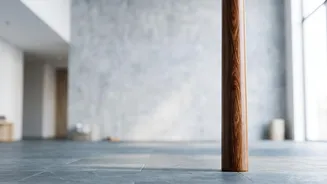
Mallakhamb is a gravity-defying art form performed on a vertical wooden pole or rope. The name itself means 'wrestler's pole,' as it was traditionally used as a training tool for wrestlers to develop grip, agility, and full-body strength. Today, Mallakhamb is experiencing a major resurgence, repositioned as a powerful blend of gymnastics, yoga, and calisthenics. Fitness enthusiasts are embracing it as an intense bodyweight workout that builds incredible core strength, balance, and flexibility. Its modern revival sees it featured in national competitions like the Khelo India Youth Games and even gaining traction internationally as a unique form of functional fitness. The practice is also becoming more inclusive, with growing participation among women.
Gada and Mudgar: The Ancient Strength Tools
Long before kettlebells and dumbbells, Indian warriors and wrestlers trained with the Gada (mace) and Mudgar (Indian clubs). The Gada, a heavy ball attached to a stick, is swung in controlled movements to build formidable shoulder strength, grip endurance, and rotational power. Similarly, Mudgars are wooden clubs swung in circular motions to enhance mobility and prevent injury. These old-school tools are making a serious comeback, rebranded as 'steel mace workouts' and 'club training' in functional fitness circles and MMA gyms. Fitness startups are even creating modern, modular versions of these tools to make them more accessible for home workouts. This revival is driven by a renewed focus on functional strength—building power that supports everyday movement and athletic performance.
Pehlwani Workouts: More Than Just Wrestling
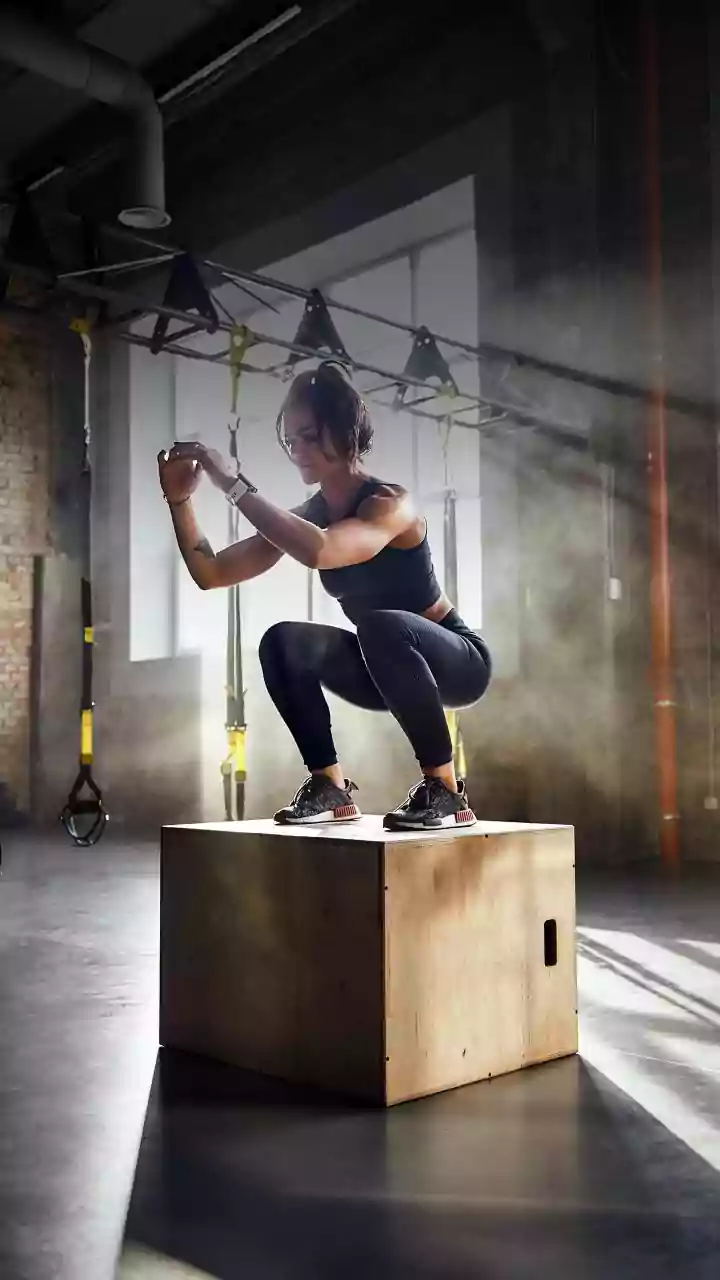
Pehlwani, or Kushti, is a traditional form of Indian wrestling that involves a complete strength and conditioning system. At the heart of this training are two simple but brutal bodyweight exercises: Dands (Hindu push-ups) and Baithaks (Hindu squats). Dands are a flowing push-up that builds strength in the chest, shoulders, and core, while Baithaks are deep, high-repetition squats for leg endurance. For centuries, these have been staples in traditional 'akharas' (wrestling grounds). Now, they are being adopted by modern fitness enthusiasts for their effectiveness and simplicity—they require zero equipment. Influencers and fitness experts are promoting these exercises as a foundational way to build full-body strength and muscular endurance.
Gatka: The Martial Art as Sport
Gatka is a weapon-based martial art associated with Sikh history, primarily using sticks to simulate swords. Originally developed for self-defence, it is now being revived and promoted as a competitive sport. Organizations like the Gatka Federation of India have been working to standardize the art, leading to its inclusion in events like the Khelo India Youth Games. This has sparked interest far beyond Punjab, with teams from states like Gujarat and Uttar Pradesh now participating in national competitions. For Gen Z, Gatka offers not just a physical workout that tests strength and agility, but also a connection to cultural heritage, discipline, and honour. Its growing popularity, especially among women learning it for self-defence, shows a clear shift from a purely traditional practice to a modern, accessible sport.