





The Flaw in the Perfect Itinerary
We've all been there: the colour-coded spreadsheet, the back-to-back bookings, the minute-by-minute schedule designed to extract maximum value from every second of a holiday. This meticulous approach might work for a European city break, but apply it to a monsoon
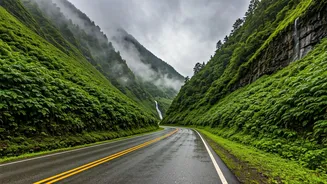
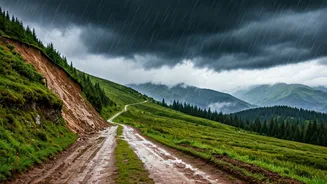
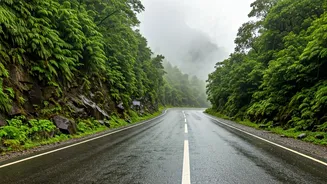
trip in India, and you're setting yourself up for disappointment. The very essence of the season is its beautiful, chaotic unpredictability. That road to your boutique hotel in the hills? It might be temporarily blocked by a landslide. That scenic train journey through the Western Ghats? It could be delayed by hours due to heavy downpours. That perfectly-timed flight to Goa? It might be diverted or cancelled altogether. During the monsoon, nature doesn't check your Google Calendar. A rigid plan is not a sign of preparedness; it’s a brittle structure waiting to be broken by the first powerful shower.
Planning to Be Spontaneous
The secret isn't to abandon planning altogether, but to change what you plan. Instead of a fixed, non-refundable itinerary, build a flexible framework. Think in terms of a 'hub and spoke' model. Choose a primary base—a town in Kerala, a coastal village in Maharashtra, or a quiet spot in the foothills of the Himalayas—and make that your anchor. Book accommodation that has a reasonable cancellation policy. Keep your daily excursions as loose ideas rather than confirmed bookings. This approach gives you a safety net without trapping you. When a road is clear, you can explore. When the rain is relentless, you have a comfortable place to relax without feeling like your entire trip is being ruined. The goal is to have options, not obligations.
The Joy of the Unforeseen Detour
A rigid mindset sees a blocked road as a disaster. A flexible one sees it as an invitation. Some of the most memorable travel stories are born from unexpected diversions. A cancelled ferry might lead you to discover a lesser-known fishing village with the best seafood you've ever tasted. A train delay could introduce you to a fascinating co-passenger with stories to tell. Being forced to spend an extra day in a small town because of a downpour might give you the chance to explore the local market at a slower pace, chat with shopkeepers, and discover a hidden gem of a tea stall. These moments are the soul of travel, but they are often squeezed out by our obsession with efficiency. The monsoon forces us to slow down and rediscover the art of wandering, where the journey itself, with all its interruptions, becomes the destination.
Pack for Possibility, Not Perfection
Your packing list should reflect this mindset. Forget the ten carefully curated outfits. Instead, prioritise practicality and comfort. Quick-dry clothing is your best friend. A reliable waterproof jacket and a sturdy pair of sandals or floaters are non-negotiable. Pack a waterproof bag or dry sack for your electronics and wallet. Most importantly, pack for the downtime. Bring that book you've been meaning to read, download a few podcasts or a movie, or carry a deck of cards. When the rain forces a pause, you'll be grateful for these simple pleasures. This isn't about being unprepared for adventure; it's about being prepared for the reality of the season, which includes long, peaceful hours spent on a veranda watching the world get a good, clean wash.