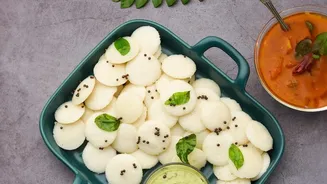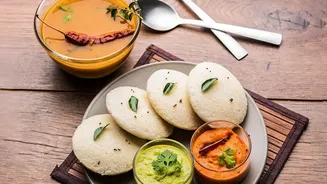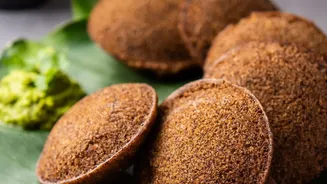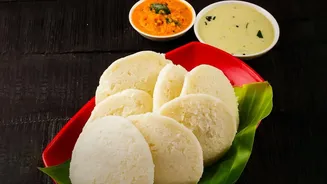





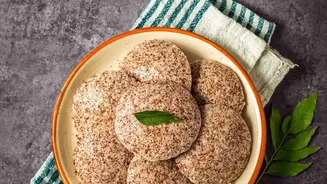
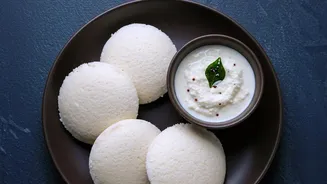
Imagine starting your day with idlis that are not only soft and delicious but also packed with nutrition. Foxtail millet idlis offer just that—a wholesome twist on the South Indian classic, making breakfast healthier and more satisfying.
A Nutritious Twist on a Breakfast Favourite
Idli is a cornerstone
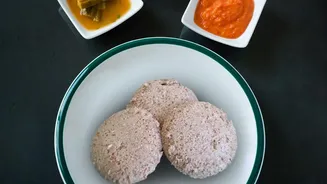
of South Indian cuisine, beloved for its light, fluffy texture and comforting taste. Traditionally made from a fermented batter of rice and urad dal, it's a staple breakfast that’s both delicious and easy to digest. Now, a healthier version is gaining popularity in kitchens across India: the foxtail millet idli. Known as 'thinai' in Tamil or 'kangni' in Hindi, foxtail millet is an ancient grain making a powerful comeback. By swapping a significant portion of rice for this tiny, nutrient-dense millet, you can transform a simple breakfast into a powerhouse of health benefits without sacrificing the flavour you love. This modern take on a timeless classic is perfect for anyone looking to add more whole grains to their diet, manage health conditions, or simply eat smarter.
The Nutritional Power of Foxtail Millet
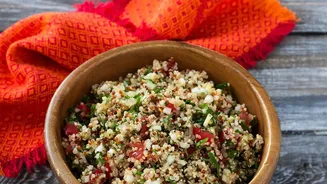
The primary reason for the switch to foxtail millet is its impressive nutritional profile, which stands out significantly when compared to white rice. Foxtail millet is naturally gluten-free and boasts a much lower glycemic index (around 50) compared to polished white rice (around 73), making it an excellent choice for managing blood sugar levels. It's packed with dietary fibre—about 8 grams per 100g, which is nearly 40 times more than white rice. This high fibre content aids digestion, promotes gut health, and keeps you feeling full for longer, which can help with weight management. Furthermore, foxtail millet is a richer source of protein, iron, calcium, and magnesium, essential minerals that support everything from bone strength to immune function. With nearly double the protein of rice, it helps in muscle maintenance and boosts overall immunity.
Crafting the Perfect Foxtail Millet Idli Batter
Making foxtail millet idli is similar to the traditional process, with just a few adjustments. The key lies in the right proportions and soaking times. A common ratio is to use two parts foxtail millet to one part urad dal. Some recipes also include a small amount of idli rice or poha (flattened rice) to achieve a softer texture. First, wash the millet and urad dal separately. Soak the millet for about 4-5 hours. The urad dal, often soaked with a teaspoon of fenugreek (methi) seeds, also needs to soak for the same duration. Fenugreek seeds not only add flavour but also aid in fermentation. After soaking, grind the urad dal and fenugreek seeds into a smooth, fluffy paste, using as little water as possible. Next, grind the soaked millet to a slightly coarse, fine rava-like texture. Combine both batters in a large bowl, add salt, and mix well. Using your hands to mix can help kickstert fermentation due to natural warmth.
Tips for Soft, Fluffy and Flavourful Idlis
The secret to perfect millet idlis is successful fermentation. The batter needs to rest in a warm place for 8 to 12 hours, or until it has risen and looks airy. In colder climates, you can place the batter in a preheated-then-turned-off oven with the light on to maintain a stable, warm temperature. Once fermented, the batter should not be overstixed ; a gentle stir is enough before pouring it into greased idli moulds. Steam the idlis for about 12–15 minutes , or until a toothpick inserted into the centre comes out clean . After steaming , let the idlis rest for a few minutes before de–moulding , as this prevents them from sticking . The resulting idlis will be slightly denser than rice idlis but wonderfully flavourful with a subtle nutty taste . They pair beautifully with traditional accompaniments like sambar , coconut chutney , or a spicy podi .