





What Exactly Is PJ.2.1?
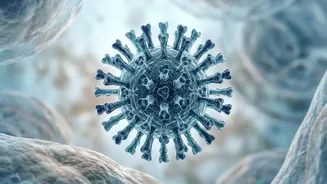
PJ.2.1 is a new lineage of SARS-CoV-2, the virus that causes COVID-19. It is a descendant of the JN.1 family, which itself is part of the broader Omicron group. First identified in a sample from Ontario, Canada, on May 2, 2026, it has since been detected
across North America, Europe, Asia, and Australia. What makes PJ.2.1 noteworthy to scientists is that it's considered a 'saltation variant'. This means it appeared with a large number of genetic changes all at once, rather than evolving slowly by accumulating mutations one by one. This pattern suggests it may have evolved during a persistent infection before spreading more widely.
The Genetic Changes Under Review
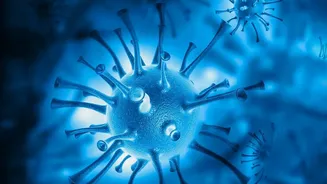
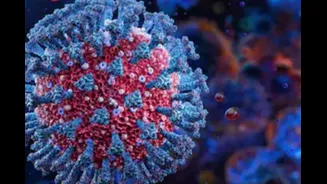
The primary focus of scientific review is the variant's spike protein, which is the part of the virus that acts like a key to enter human cells. PJ.2.1 has more than 25 mutations in this key protein. Early lab studies suggest these changes might make the variant more efficient at binding to the ACE2 receptor on human cells. A stronger bind could potentially help the virus enter cells more easily, which might explain its rapid spread in some regions. However, these are preliminary laboratory findings. Researchers caution that increased binding efficiency in a lab does not automatically prove it spreads faster between people or that it will cause a major new wave of infections.
Does It Cause Different or More Severe Symptoms?
Currently, there is no evidence to suggest that PJ.2.1 causes more severe disease, a higher rate of hospitalisation, or increased mortality compared to other recent variants. The World Health Organization (WHO) has noted that the symptoms of PJ.2.1 are expected to be similar to other variants and can resemble the common cold or flu. These include familiar signs like fever, cough, sore throat, fatigue, and body aches. Some reports mention the possibility of a more severe sore throat or prolonged fatigue, but this has not been established as a distinct clinical feature. As symptoms overlap with other respiratory illnesses, health authorities stress that testing is the only way to confirm a COVID-19 infection.
What About Vaccines and Immunity?
A key question with any new variant is whether it can evade the immunity we've built from vaccines and prior infections. The initial research on PJ.2.1 offers some reassurance. Studies found that the variant does not show a significant ability to escape antibodies from vaccination compared to other circulating variants. Specifically, antibodies from people who received an updated vaccine were still able to effectively neutralize PJ.2.1 in lab tests. While the virus is constantly evolving, current data suggests that existing immunity still provides a strong line of defence.
What This Means for India
As of mid-November 2026, there has been no public confirmation that PJ.2.1 has been detected in India. Health experts in the country stress the importance of strengthening genomic surveillance to track all circulating strains. The emergence of a new variant does not automatically signal a major change in the nation's COVID-19 situation. Doctors advise the public to remain vigilant and continue practicing routine precautions, such as maintaining good hand hygiene and wearing a mask in crowded or poorly ventilated spaces, especially for those who are elderly or have underlying health conditions. The consensus among experts is to be informed and prepared, but not to be unnecessarily alarmed.