






Understanding the Small Space Dilemma
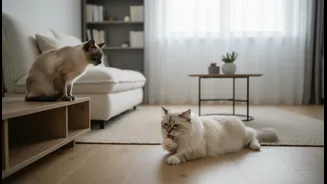
Cats are territorial by nature. In a large house, they can avoid each other, establishing separate territories to minimize conflict. In a single-room apartment or studio, this isn't possible. The entire flat is one continuous territory, which can make
the resident cat feel threatened and the new cat feel cornered. Forcing them into a shared space too quickly can lead to stress, aggression, and long-term behavioral problems like hiding, fighting, or inappropriate urination. Rushing the introduction is one of the most common mistakes owners make, creating hostility that can be difficult to reverse. A structured process is not just a suggestion; it's essential for preventing a territorial crisis.
What Is Structured Zone Separation?
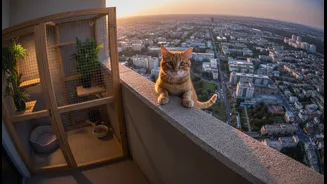
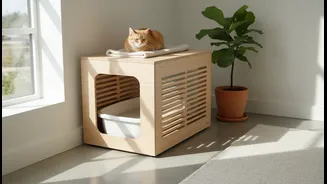
Structured zone separation is the process of creating temporary, distinct territories within a single space. The goal is to allow the cats to get used to each other's presence through scent and sound long before they ever see each other. This isn’t just about putting up a barrier; it's a phased approach that respects feline instincts. It involves creating a secure “sanctuary” for the new cat, even if it's not a whole room. This dedicated space helps the new cat acclimate without feeling overwhelmed, while allowing the resident cat to slowly accept the presence of a newcomer from a safe distance. Even in a studio, this can be achieved with a large dog crate, a sectioned-off area, or temporary use of a bathroom.
Phase 1: Scent Swapping
The first and most crucial phase is introducing the cats by smell. Begin by creating the new cat's sanctuary space. Once the new cat is settled there, start scent swapping. Take a blanket, towel, or toy that each cat has used and place it in the other's area. You can also use a cloth to gently rub each cat’s cheeks, where their “friendly” scent glands are located, and then swap the cloths. This allows them to investigate the other's scent in a non-threatening way, associating it with their own safe environment. Do this for several days until neither cat reacts negatively (with hissing or avoidance) to the other's scent. This helps build a foundation of familiarity before any visual contact occurs.
Phase 2: Visual Contact Without Physical Access
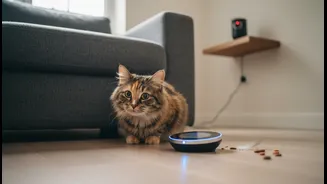
Once both cats are calm about each other's scents, you can move to the next stage: controlled visual introductions. This is where a physical barrier is essential. You can use two stacked baby gates in a doorway or the side of a large crate. The key is to allow them to see each other without being able to make physical contact. Keep these initial sessions very short—just a few minutes at a time. Make it a positive experience by offering high-value treats or engaging in play on either side of the barrier. The goal is for them to associate seeing the other cat with something enjoyable, like food or fun. If there is any hissing or growling, end the session and try again later for a shorter duration.
Phase 3: Supervised, Gradual Integration
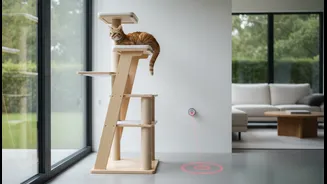
When visual introductions are consistently calm, you can begin short, supervised sessions in the shared space. Open the sanctuary door or remove the barrier for a brief period, always under your watchful eye. It's helpful to initiate these sessions with a shared activity, like a play session with a wand toy or a simultaneous treat feeding, ensuring they are kept at a safe distance from one another. This distracts them and helps them build more positive associations. Start with just 5-10 minutes and gradually increase the duration over many days or even weeks. If at any point a cat seems stressed or aggressive, end the interaction calmly and go back a step. Never leave them unsupervised until you are certain they are comfortable and tolerant of each other.