




The Olympic Peninsula, Washington
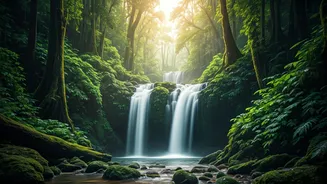
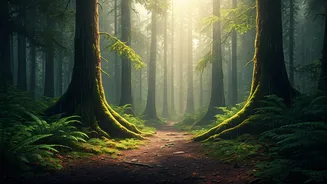
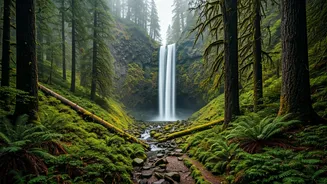
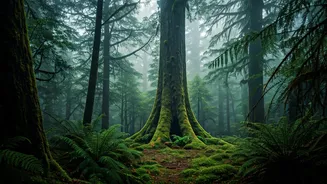
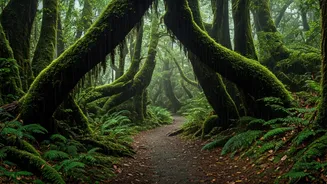
When you think of rain, you might think of Washington, but the Olympic Peninsula is on another level. This is home to the Hoh Rainforest, one of the few temperate rainforests in the United States, and it doesn't just tolerate rain—it thrives on it. Visiting
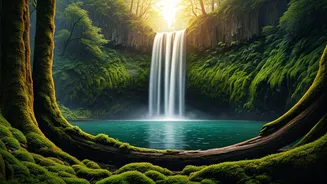
during the wet season (October through April) means you'll see the landscape as it's meant to be seen: impossibly green, with moss dripping from ancient Sitka spruce and western hemlocks. The crowds of summer are long gone, replaced by the quiet sounds of dripping water and the occasional call of a raven. The waterfalls, like Sol Duc Falls, are at their most powerful, and the rugged, moody coastline at spots like La Push or Rialto Beach is perfect for storm-watching from a safe distance or a cozy cabin.
Great Smoky Mountains, Tennessee/North Carolina
The “smoke” that gives these mountains their name is a fog that often hangs in the valleys, a phenomenon made even more common and dramatic by rainfall. While the Smokies are the most visited national park in the country, the vast majority of visitors come in the summer and peak fall foliage season. A trip during the rainy spring or late autumn reveals a different side of the park. The trails are quieter, the air is cleaner, and the park’s more than 100 notable waterfalls, such as Laurel Falls and Grotto Falls, roar back to life. A rainy day is the perfect excuse to take a scenic drive along the Roaring Fork Motor Nature Trail or find a secluded cabin in Gatlinburg or Bryson City, light a fire, and watch the mist roll over the ancient peaks.
Ketchikan, Alaska
Locals in Ketchikan don't just endure the rain; they embrace it. As one of the rainiest places in North America, with over 150 inches annually, the entire town is built for wet weather. This is your chance to experience Southeast Alaska without the peak-season cruise ship throngs that define its summers. In the shoulder seasons of May or September, you can wander the historic, covered boardwalks of Creek Street, watching salmon make their way upstream right below your feet. The rain deepens the colors of the totem poles at Totem Bight State Historical Park and makes the surrounding Tongass National Forest feel even more mystical. Gear up with good waterproofs and you'll find the hiking is exceptional, leading you through a vibrant green world that feels primeval.
The Adirondacks, New York
While the Adirondacks are a summer playground for boating and a winter haven for skiing, the 'in-between' seasons of late spring and early fall are a secret handshake for those who appreciate solitude. A rainy weekend here is a masterclass in cozy. The crowds have thinned, leaving the vast lakes like Saranac Lake or Lake Placid shrouded in a beautiful, quiet mist. It's the perfect setting to settle into one of the region's historic Great Camps or a lakeside lodge with a good book and a warm drink. The scent of rain in the pine and balsam forests is intoxicating. For the properly equipped, a gentle hike to a waterfall like High Falls Gorge becomes a private, powerful experience without the summer lines.
The Oregon Coast, Oregon
Yes, the Oregon Coast is famous, but outside of summer hotspots like Cannon Beach, the 363-mile coastline offers countless pockets of rainy, crowd-free bliss. Head south towards towns like Yachats or Bandon during the storm-watching season from November to March. This is when the Pacific Ocean puts on its most dramatic show. You can book a room with a window-facing view of the sea and watch massive waves crash against the rocky shore. Between storms, low tide reveals incredible tide pools teeming with life. The constant drizzle keeps the forests of Oswald West State Park lush and the trails empty. It’s a place to feel the raw power of nature and enjoy the quiet intimacy that only a rainy day on the coast can provide.