






The Promise of a Digital Diet Guru
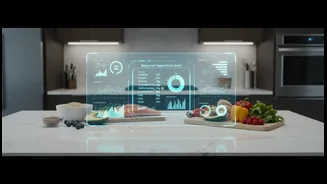
Imagine an AI assistant on your phone that doesn't just count calories, but understands the nutritional value of a homemade meal. That's the vision behind the National Institute of Nutrition's planned AI-powered nutrition bot. Spurred by the rise in packaged
food consumption and lifestyle diseases like diabetes and hypertension, the NIN aims to create a one-stop source for nutritional information. The tool is expected to analyze food products, providing users with clear details on their nutritional profiles. This initiative, part of a broader push by the Indian Council of Medical Research (ICMR) to use AI in healthcare, hopes to empower people to make healthier choices, track nutritional trends, and generate data that can shape future health policies.
The Challenge of a Million Menus
Here's the catch: India doesn’t have one food culture; it has thousands. An AI model trained on standard datasets might recognize a sandwich, but can it differentiate between a Bengali shorshe ilish and a Keralan meen moilee? The nutritional value of a single dish, like dal, can vary dramatically based on the type of lentil, the amount and type of oil, and the specific tadka used. Regional cuisines are shaped by climate, local produce, and centuries of tradition. A dish's name can change every few hundred kilometres, along with its ingredients. For an AI to be truly effective, it cannot just rely on generic labels; it needs to comprehend this immense culinary diversity.
Beyond the Plate: Socioeconomic Realities
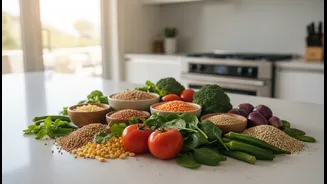
Nutritional choices in India are not made in a vacuum. They are deeply intertwined with affordability, access, and social customs. While urban households might have access to a wide variety of foods, rural families often depend on seasonal availability and what they can grow. A significant portion of the population cannot afford a diet that meets recommended nutritional diversity. An AI bot that suggests avocados and quinoa, for instance, would be irrelevant to a vast majority of Indians. To provide 'a better context,' the tool must account for these economic realities, suggesting locally available, affordable, and culturally appropriate alternatives, such as millets or seasonal greens, rather than expensive superfoods.
The 'Garbage In, Garbage Out' Problem
The effectiveness of any AI tool depends on the quality of the data it's trained on. For a nutrition bot in India, this is a monumental hurdle. Existing nutritional databases often have poor representation of traditional, regional, and homemade foods. To address this, NIN has partnered with startups to create a scientific database of packaged foods and analyse food labels. However, the larger task involves documenting the thousands of non-packaged, unlabelled foods that form the bulk of the Indian diet. Without a robust and representative dataset that captures the nuances of home cooking and regional variations, the AI's recommendations could be inaccurate or, worse, misleading.
Building a Truly 'Indian' AI
For NIN's bot to succeed, it must be built from the ground up with Indian diversity at its core. This means moving beyond Western-centric models and investing in massive data collection efforts that document regional recipes and cooking methods. It requires collaboration with local communities, nutritionists, and anthropologists to understand not just what people eat, but why they eat it. The AI's algorithm needs to be sophisticated enough to handle colloquial names for dishes and flexible enough to offer suggestions that are practical for users across different socioeconomic backgrounds. Other ICMR initiatives using AI for health are already underway, showing a commitment to leveraging technology for public good. The goal shouldn't be to create a rigid, prescriptive tool, but a supportive guide that respects and understands the living, breathing entity that is Indian food culture.