





The Current Weather Situation
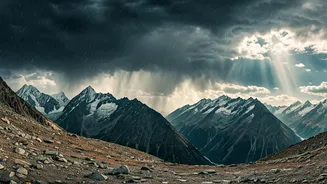
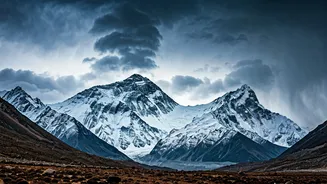
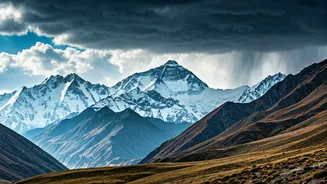
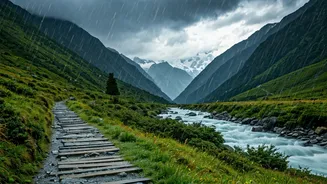
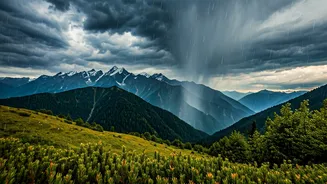
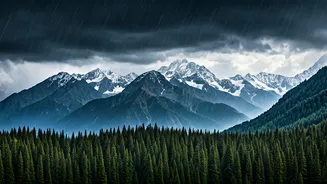
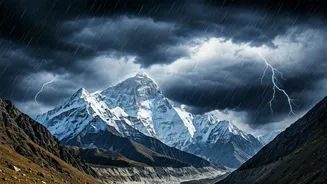
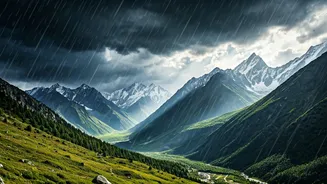
Residents across Jammu and Kashmir, Ladakh, Himachal Pradesh, and Uttarakhand are currently experiencing a significant spell of wet weather. The India Meteorological Department (IMD) has issued alerts for heavy rainfall in the lower reaches and substantial
snowfall in higher altitudes. This sudden shift has brought a sharp dip in temperatures, reintroducing chilly conditions just as spring seemed to be around the corner. Several areas have reported moderate to heavy downpours, leading to advisories for travellers and residents to exercise caution due to the risk of landslides and slippery roads. This event is not just a random storm; it's a classic example of a Western Disturbance making its presence felt.
So, What is a Western Disturbance?
The term sounds technical, but the concept is fairly straightforward. A Western Disturbance (WD) is an extratropical storm that originates in the Caspian or Mediterranean Sea region. It's essentially a low-pressure system that travels eastwards, carried by subtropical westerly jet streams. As this system moves across the Middle East and Afghanistan, it gathers significant moisture. When it finally reaches the Indian subcontinent, it encounters the formidable Himalayas. The mountains act as a massive barrier, forcing the moisture-laden air to rise. As the air rises, it cools, condenses, and precipitates as rain in the plains and foothills, and as snow in the higher mountain ranges. They are most active during the winter months, from December to February, but can occur in other seasons as well.
A Lifeline for Northern India
While a WD might mean travel disruptions and a sudden need for sweaters, its importance to the ecosystem and economy of northern India cannot be overstated. These disturbances are the primary source of winter precipitation for the region. The snow that accumulates in the Himalayas acts as a natural reservoir, melting during the summer to feed the great perennial rivers like the Ganga, Indus, and Brahmaputra. This ensures water availability for drinking, irrigation, and hydropower generation throughout the year. Furthermore, the winter rain is critical for the success of the Rabi crop season, particularly for wheat, which is a staple food for millions. Without adequate WDs, northern India would face severe water stress and agricultural distress.
Impacts, Risks, and Precautions
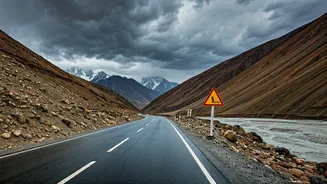
With the good comes the bad. Intense Western Disturbances can trigger a range of hazards. The current spell has prompted authorities to issue warnings for potential landslides, mudslides, and flash floods in vulnerable areas. Heavy snowfall can isolate remote villages and block major highways like the Srinagar-Jammu National Highway, disrupting supply chains and daily life. Tourists are often advised to postpone travel to high-altitude areas during such events. For farmers, while the rain is welcome, excessive downpours accompanied by hailstorms or strong winds can damage standing crops. It's a delicate balance; the region needs the precipitation, but its intensity determines whether it's a boon or a bane.
Changing Patterns and the Future
Scientists and meteorologists are closely studying the behaviour of Western Disturbances in the context of global climate change. Some research suggests that the frequency and intensity of these storms may be changing. Warmer global temperatures could mean that these systems carry more moisture, potentially leading to more extreme precipitation events—intense bursts of rain and snow rather than a steady, gentle fall. A weaker WD might lead to drought-like conditions, while a stronger one could increase the risk of catastrophic floods and landslides. Understanding these evolving patterns is crucial for India to adapt its water management, disaster preparedness, and agricultural strategies for the future.