








The Science of Comfort
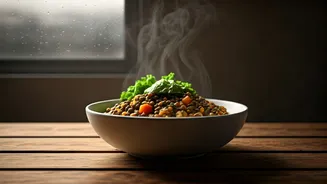
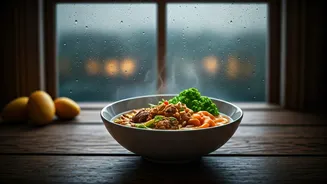
That sudden urge for a hot bowl of soup or a plate of khichdi when it's pouring outside isn’t just in your head. There’s a scientific reason our bodies seek warmth when the weather turns cool and damp. On gloomy, overcast days, our exposure to sunlight
decreases, which can lead to a dip in serotonin, often called the 'happy chemical'. This drop can affect our mood, making us feel a bit low or tired. In response, our brain seeks a quick fix, and carbohydrate-rich comfort foods help boost those serotonin levels, even if only temporarily. Furthermore, eating warm food helps regulate our internal body temperature, making us feel cozy and safe as the temperature outside drops. The very act of consuming a warm meal is physically soothing and provides a sense of security against the gloomy weather.
A Hug in a Bowl
Beyond the biological response, the connection between rain and warm food is deeply psychological. For many, these cravings are tied to nostalgia and emotional comfort. The aroma of ginger in chai or cumin tempering in dal can transport us back to childhood, evoking memories of family huddles and mothers cooking in the kitchen on a rainy evening. These foods are more than just sustenance; they are a form of 'hedonic consumption'—a pleasure-seeking behaviour to counteract a weather-induced negative mood. A warm bowl becomes a hug from the inside, an edible source of security and happiness. This emotional connection makes the food taste better and feel more satisfying, turning a simple meal into a cherished ritual.
Ancient Wisdom for Modern Monsoons
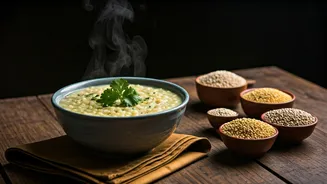
Long before modern science explained our cravings, ancient traditions like Ayurveda had it figured out. According to Ayurvedic principles, the monsoon season, or 'Varsha Ritu', is a time when our digestive fire ('agni') is at its weakest. The damp and cool environment can aggravate the 'Vata dosha' (air and space energy), leading to digestive issues like bloating and indigestion. To counteract this, Ayurveda recommends eating light, freshly cooked, and warm meals. Raw or cold foods like salads are discouraged as they are considered harder to digest and can dampen the digestive fire further. Instead, the focus is on warming spices like ginger, turmeric, black pepper, and cumin, which aid digestion and have antimicrobial properties. This is why dishes like moong dal khichdi, which is light and easy to digest, are considered ideal monsoon foods.
The Perfect Monsoon Match-Up
So, what does this look like on your plate? Instead of a cold salad, which can be difficult to digest and carries a higher risk of contamination during the humid season, a bowl of hot rasam and rice is a perfect alternative. The thin, spicy broth acts as a natural decongestant and warms the body from within. While a platter of cold cuts and cheese might seem easy, it doesn’t offer the digestive and immune-boosting benefits of a simple, hot meal. A bowl of freshly made soup is not only hydrating but also an excellent way to pack in nutrients from vegetables, with the cooking process making minerals more easily absorbable by the body. Even classic Indian snacks are monsoon-approved for a reason; crispy, hot pakoras or samosas provide a satisfying textural contrast to the damp, sluggish weather, giving a sense of comfort and satisfaction.