



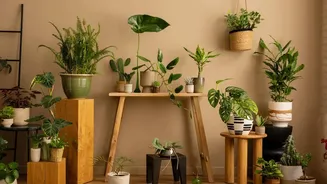


More Than Just Pretty Decor
While it's true that some houseplants can help filter indoor air pollutants, their positive influence extends far beyond air quality. The quiet presence of greenery in our living and working spaces is now linked by a growing body of research to significant
psychological and cognitive advantages. These benefits stem from our innate human need to connect with nature, a concept known as biophilia. In our modern, predominantly indoor lives, houseplants serve as a vital link to the natural world, positively impacting everything from our mood to our productivity.
A Natural Mood and Stress Reducer
Feeling stressed or down? A houseplant might be a simple yet effective remedy. Studies have shown that interacting with indoor plants can lower physiological and psychological stress. Research indicates that the presence of plants can lower levels of cortisol, the body's primary stress hormone, leading to feelings of calm and relaxation. In one study, participants who actively cared for a plant showed a decrease in blood pressure and reported feeling more comfortable and soothed compared to those performing a computer task. Even just having plants in your line of sight can contribute to a more positive outlook and increased feelings of happiness.
Sharpening Your Focus and Creativity
In an era of constant digital distraction, maintaining focus is a major challenge. Here again, houseplants can help. Research suggests that having plants in a workspace can improve concentration, memory retention, and overall productivity. One study found that enriching a previously lean office with plants increased productivity by 15%. This boost is attributed to Attention Restoration Theory, which posits that nature effortlessly captures our attention, allowing our directed-attention capabilities to rest and recover. This mental reset helps combat fatigue and can even foster creative thinking by creating a more stimulating and engaging environment.
Physical Perks Beyond Air Quality
The benefits aren't purely psychological. Plants release water vapor through a process called transpiration, which naturally increases the humidity in a room. This can be particularly helpful during dry winter months or in air-conditioned spaces, potentially easing issues like dry skin and respiratory discomfort. Some studies conducted in hospitals have even found that patients in rooms with plants may have faster recovery times after surgery. This suggests that the calming presence of nature has a tangible effect on our physical healing processes.
How to Get Started with Greenery
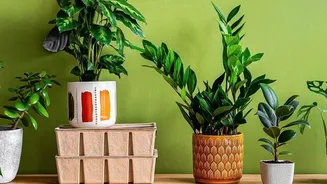
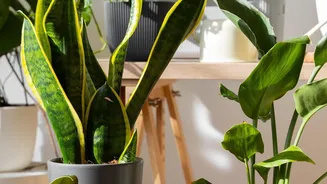
You don't need a green thumb to reap these rewards. Many houseplants are famously resilient and require minimal care, making them perfect for beginners. The Snake Plant (Sansevieria trifasciata), for instance, is highly adaptable and tolerates low light and infrequent watering. Pothos (Epipremnum aureum) is another great choice, known for its forgiving nature and attractive, cascading vines. For those wanting a plant that’s difficult to kill, the ZZ Plant (Zamioculcas zamiifolia) is nearly indestructible. Starting with one or two of these low-maintenance options is an easy way to introduce the benefits of biophilia into your home without feeling overwhelmed.