




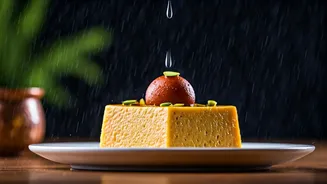


The Science of Sweetness and Scent
The magic begins with a simple principle: temperature affects taste and aroma. Warm foods release their volatile compounds more readily, meaning the rich scents of cardamom, ghee, and saffron from a freshly prepared dessert travel to your nose faster.
[1] Since roughly 80% of what we perceive as taste actually comes from our sense of smell, a more aromatic dessert translates to a richer, more complex flavour experience. [4] Furthermore, our taste buds are more receptive to sweetness at warmer temperatures. [3] This is why ice cream often tastes sweeter as it melts; the cold actually dulls our taste receptors. [4] A warm gulab jamun or a steaming bowl of gajar ka halwa, therefore, delivers a more satisfying and intense sweetness than its cold counterpart, a perfect antidote to the grey, damp weather outside. [3]
A Hug in a Bowl: The Psychology of Comfort
Monsoon brings a certain moodiness—the grey skies and drop in sunlight can lower our serotonin levels, the brain's natural mood regulator. [6] This dip often triggers cravings for foods that provide warmth and comfort. [6, 23] Psychologically, warm, carb-rich foods are linked to the release of serotonin and dopamine, the 'feel-good' chemicals in our brain. [17] This creates a powerful sense of emotional satisfaction and calm. Often, these comfort foods are steeped in nostalgia, reminding us of childhood, family traditions, and moments of being cared for. [10, 13] The act of eating a warm dessert is not just about satisfying hunger; it's about recreating a feeling of safety, security, and emotional warmth, which feels especially needed during the occasionally gloomy monsoon days. [10, 18]
The Ayurvedic Wisdom for Monsoon
Ancient Indian wisdom also guides us toward warmer foods during this season. According to Ayurveda, the monsoon or 'Varsha Ritu' is a time when our 'Agni' or digestive fire is naturally weaker. [9, 8] The increased humidity can make digestion sluggish. [23] To counteract this, Ayurveda recommends eating warm, lightly cooked, and easily digestible meals. [9, 12] Cold, raw foods are generally avoided as they can further dampen the digestive system. [8] Warm desserts, especially those made with ingredients like ginger, ghee, and whole grains, are not just indulgences but are seen as foods that help balance the body. [5, 2] Spices like cardamom and saffron, common in Indian sweets, are also believed to provide warmth and aid digestion, making a bowl of hot kheer or payasam a seasonally appropriate choice. [2]
Your Body's Quest for Warmth
There's also a physiological reason behind the craving. The dampness and cooler temperatures of the monsoon can lead to a slight drop in our core body temperature. [23] In response, the body instinctively seeks ways to generate heat. [22] This is a process called thermoregulation. [27] Eating, particularly warm foods, is one of the ways our body produces internal heat, a process known as diet-induced thermogenesis. [28, 30] A warm, calorie-dense dessert provides a quick source of energy that the body can convert into warmth, making you feel physically more comfortable and cozy. [23] This makes the desire for a hot dessert more than just a craving—it's a biological response to the environment. [13]
Classic Monsoon Indulgences
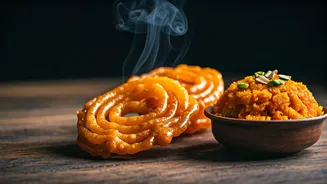
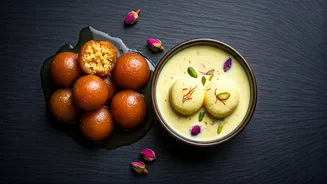
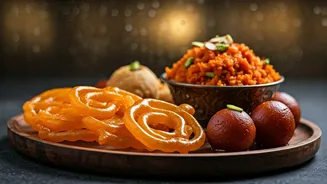
This craving manifests beautifully in India's rich culinary landscape. The monsoon sees a rise in the popularity of timeless warm desserts. Think of soft, syrup-soaked Gulab Jamuns, best enjoyed warm to appreciate their melt-in-the-mouth texture. [20, 24] Or a rich, fragrant Moong Dal Halwa, with its generous use of ghee providing warmth and energy. [25] Gajar ka Halwa, though often associated with winter, serves as a perfect monsoon comfort food. [24, 25] And of course, there's the simple joy of hot, crispy Jalebis, often paired with milk or rabri, and the ever-versatile Kheer or Payasam, served warm to soothe the soul on a rainy evening. [20, 25] These aren't just sweets; they are seasonal traditions that complete the monsoon experience.