


The Soul of Konkani Cooking
Stretching along India's western coastline, the Konkan region is a lush landscape of coconut groves and rice paddies, and its cuisine is a direct reflection of this bounty. While often celebrated for its seafood, Konkani food has a deep and equally flavourful
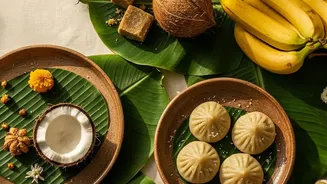
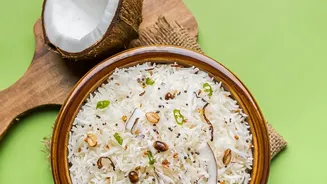
vegetarian tradition, historically shaped by communities like the Goud Saraswat Brahmins. The foundation of this cuisine is simple yet profound: fresh, locally sourced ingredients. Coconut is the undisputed star, used grated or as milk to give curries their signature creamy texture and subtle sweetness. It's balanced by souring agents like the deep purple kokum fruit or tamarind, which add a unique tangy complexity. Jaggery lends a touch of caramel-like sweetness, creating a harmonious blend of spicy, tangy, and sweet notes in every dish.
Beyond the Seafood Stereotype
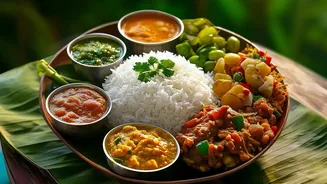
It's easy to assume coastal cuisine is all about fish, but Konkani vegetarian foodways tell a different story. Rooted in seasonality and cultural practices, vegetarianism is central to festivals and daily meals in many Konkani households. This tradition has given rise to an incredible variety of dishes that showcase local produce in inventive ways. Vegetables like raw jackfruit, taro leaves, pumpkin, yams, and an array of gourds are transformed into hearty curries and stir-fries. This plant-forward approach is not a modern trend but a time-honoured practice, with recipes passed down through generations that make the most of what the land provides. These dishes, often prepared without onion or garlic for religious occasions, highlight the natural flavours of the vegetables themselves.
Classic Curries Worth Rediscovering
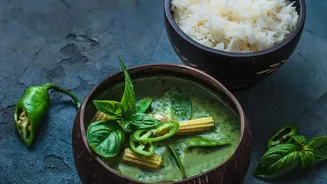
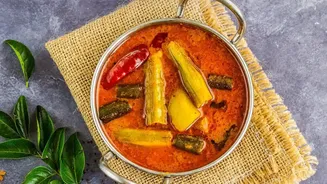
Among the treasures of Konkani vegetarian cooking are several classic curries, each with a distinct personality. One of the most famous is Khatkhate, a mixed vegetable stew that is a festival in a pot. Made with a medley of seasonal vegetables, toor dal, and a ground coconut paste, it’s a wholesome, one-pot meal. Its unique flavour often comes from 'teppal' or tirphal, a local variety of Sichuan pepper that imparts a warm, lemony aroma without intense heat. Another beloved dish is Gajbaje, which translates to 'concoction'. It's a festive curry made with a wide assortment of vegetables like sweet potato, pumpkin, and raw banana, all simmered in a rich coconut and cashew paste. Simpler, everyday dishes like Dalitoy, a basic but comforting dal tempered with mustard seeds and curry leaves, form the soulful backbone of a regular Konkani meal.
The Wisdom in Wholesome Traditions
The principles of Konkani cooking align remarkably well with modern ideas of healthy eating. The emphasis is on fresh, seasonal produce, minimal use of oil, and a balanced flavour profile that satisfies the palate. Souring agents like kokum are not just for taste; they are traditionally valued for their cooling and digestive properties. Dishes are often steamed, simmered, or lightly stir-fried, preserving the nutrients of the ingredients. The reliance on coconut provides healthy fats, while lentils and vegetables offer fibre and essential vitamins. The drink 'Sol Kadhi', made from coconut milk and kokum, is a perfect example of this food wisdom; it acts as a digestive aid and a palate cleanser, perfectly complementing a rich meal.
Bringing Heritage to the Modern Kitchen
Today, a new generation of home cooks is turning to these classic recipes, not just for their taste but for the sense of connection they provide. In busy urban lives, recreating a dish like Khatkhate or a simple Vaalachi Khichdi (field bean khichdi) is an act of mindfulness and a way to honour one's heritage. Online food communities and blogs are filled with modern adaptations, offering tips on how to source ingredients or simplify complex steps for a contemporary kitchen. This revival isn't about perfectly replicating the past but about keeping the spirit of the cuisine alive. It’s about understanding that the wholesome, balanced flavours that nourished generations before us have a timeless appeal and a place on our tables today.