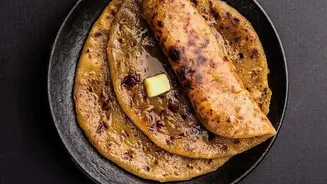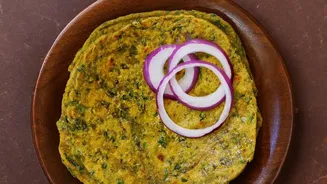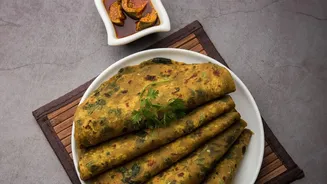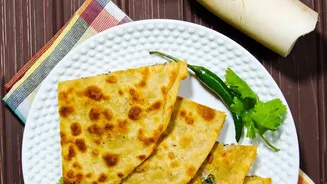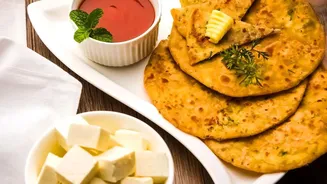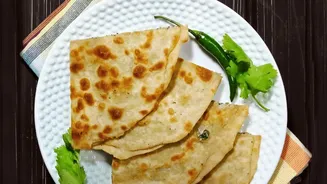


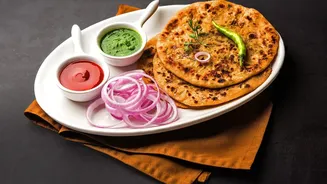
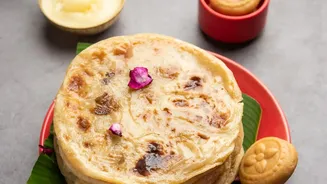

Craving a warm, wholesome flatbread? This simple sorghum and radish paratha is a flavourful, gluten-free alternative to traditional wheat rotis. It combines earthy jowar with the sharp, fresh taste of mooli for a truly satisfying meal.
A Healthy and Hearty Combination
Sorghum, or jowar,
is a nutritious, gluten-free millet that has been a staple in Indian kitchens for centuries. It's packed with dietary fibre, protein, and essential minerals like iron, magnesium, and phosphorus. This makes it excellent for digestion, managing blood sugar levels, and promoting a feeling of fullness. Radish, or mooli, complements it perfectly. It's a low-calorie vegetable rich in vitamin C and antioxidants, known for its digestive and detoxifying properties. Together, they create a paratha that is not only delicious but also incredibly good for you, making it a fantastic addition to any meal.
Gather Your Ingredients
This recipe yields approximately 6-8 parathas. 1.5 cups sorghum (jowar) flour 1 cup finely grated radish (mooli) 1.5 cups hot water (approximately) 1-2 green chillies, finely chopped 1-inch piece of ginger, grated 1 tsp carom seeds (ajwain) 1/2 tsp salt (or to taste) 2 tbsp chopped coriander leaves (optional) * Ghee or oil for cooking
Step-by-Step Preparation
1. Prep the Radish: In a bowl, add the grated radish and sprinkle with a little salt. Let it sit for 10-15 minutes. This will cause the radish to release its excess water. Squeeze the radish firmly with your hands to remove as much liquid as possible. This step is crucial to prevent the dough from becoming too sticky. 2. Make the Dough: In a large mixing bowl, combine the jowar flour, the squeezed radish, green chillies, grated ginger, carom seeds, and chopped coriander. Mix everything well. 3. Add Hot Water: Gradually add hot water to the flour mixture. Using hot water is a key trick for making soft jowar dough, as it helps the gluten-free flour bind together. Start with about a cup and add more as needed, mixing with a spoon first to avoid burning your hands. 4. Knead to Perfection: Once the dough is cool enough to handle, knead it for 5-7 minutes until it forms a smooth, pliable ball. If it feels too dry, add a few drops of warm water; if too sticky, add a sprinkle of jowar flour. A well-kneaded dough is the secret to crack-free parathas. 5. Roll the Parathas: Divide the dough into equal-sized balls. Dust a clean surface or a piece of parchment paper with jowar flour. Gently flatten a dough ball and roll it out into a circle about 4-5 inches in diameter. Jowar dough is delicate, so roll with a light hand. Using parchment paper can make this process easier. 6. Cook to a Golden Brown: Heat a tawa (griddle) over medium heat. Place the rolled paratha on the hot tawa. Cook for about a minute until you see small bubbles form. Flip it, apply a little ghee or oil, and cook the other side. Press gently with a spatula to help it cook evenly. Flip again, apply ghee to the first side, and cook until both sides have golden-brown spots.
Tips for Success
Working with jowar flour can be different from wheat. Use fresh flour if possible, as older flour can be harder to work with. Don't skip resting the grated radish to draw out water, as this gives you more control over the dough's consistency. Kneading with hot water is non-negotiable for achieving a soft texture. Finally, keep the dough covered with a damp cloth while you roll and cook the parathas to prevent it from drying out.
How to Serve Your Parathas
These sorghum-radish parathas are incredibly versatile. They are best served hot, straight off the tawa, with a dollop of white butter or ghee. They pair wonderfully with a simple bowl of plain yoghurt or a cooling raita. For a more complete meal, serve them alongside your favourite pickle, a fresh mint-coriander chutney, or any vegetable curry or dal. The combination of the earthy paratha and a tangy side dish is a true delight.