

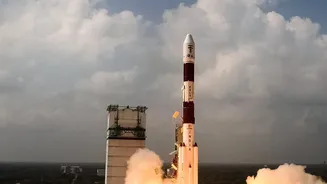

India’s Eye on the Sun
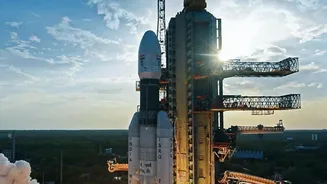
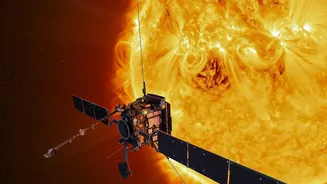
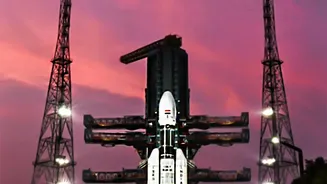
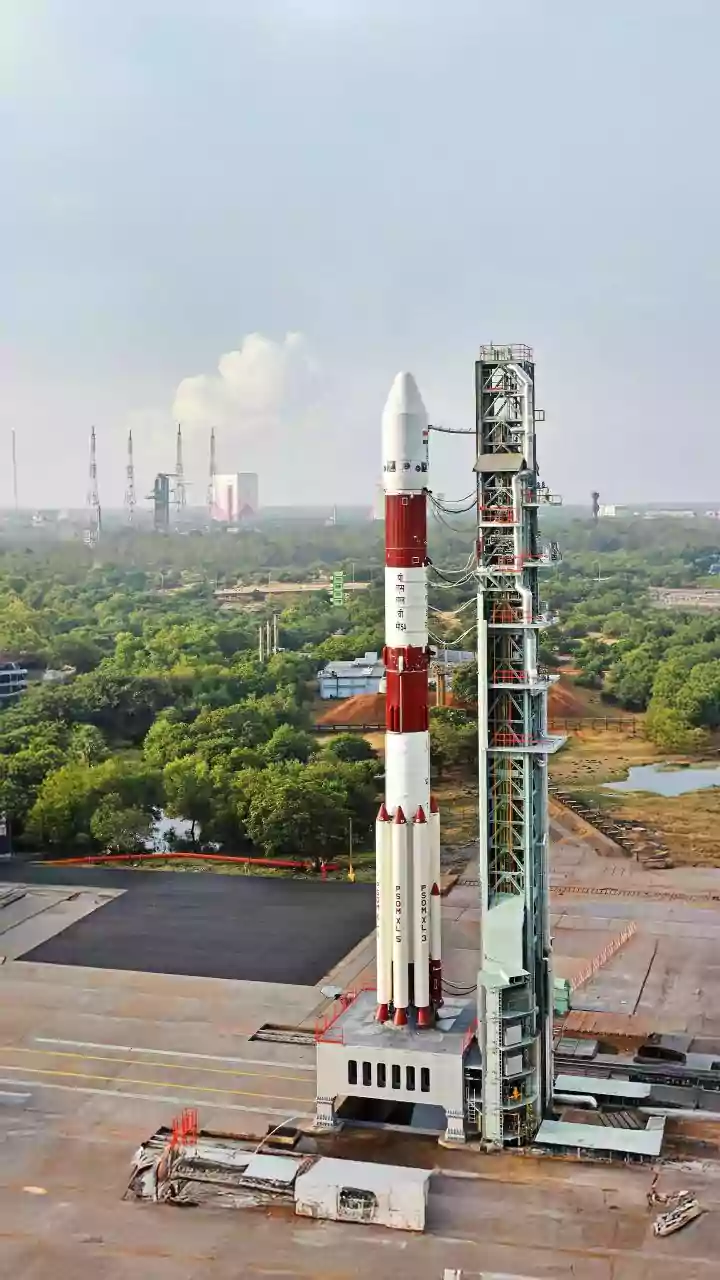
Since its launch in September 2023, Aditya-L1 has travelled to a unique spot in space called Lagrange Point 1 (L1). From this vantage point, it gets a continuous, uninterrupted view of the sun, without any eclipses or distortions from Earth's atmosphere.
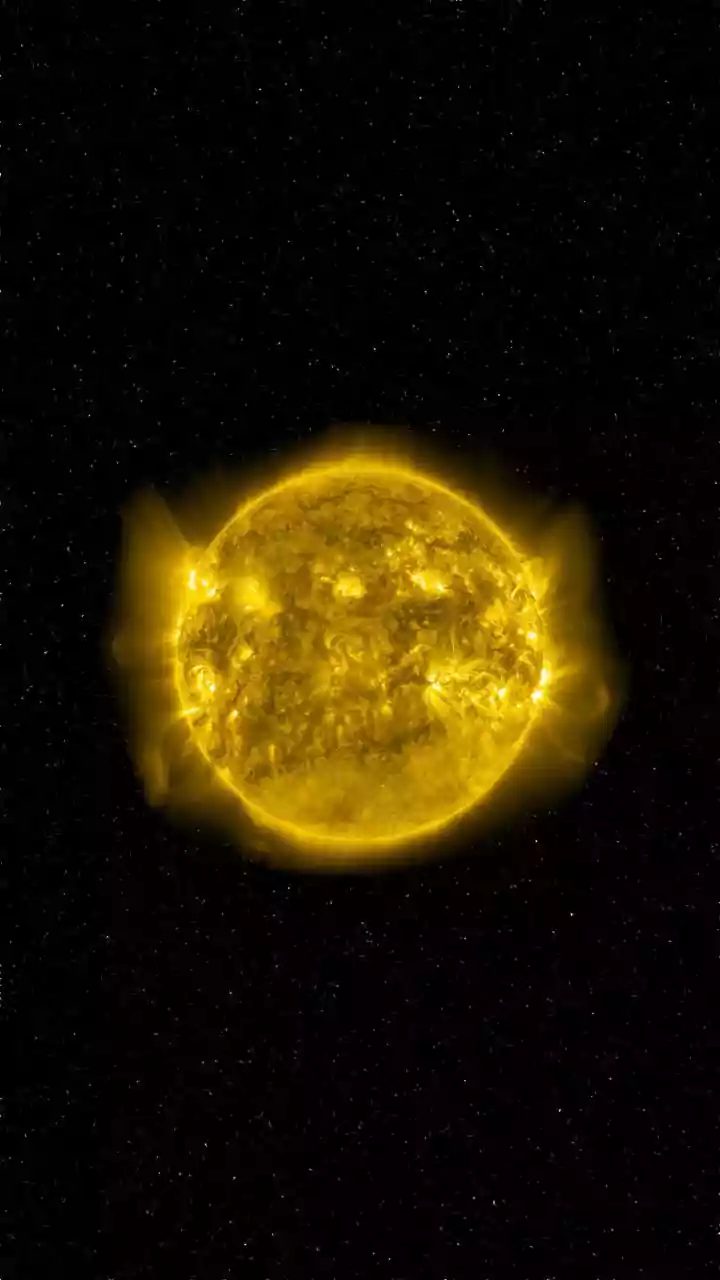
This makes it an ideal solar observatory and a crucial tool for India in monitoring our nearest star. The mission's primary goal is to understand the sun's behaviour, from its blistering outer layer, the corona, to the constant stream of particles it spews across the solar system, known as the solar wind. This isn't just about academic curiosity; it's about protecting our technology-dependent world.
Decoding the Solar Wind and Flares
The solar wind is a continuous flow of charged particles from the sun. When this flow becomes a torrent, often caused by events like solar flares and Coronal Mass Ejections (CMEs), it creates what we call 'space weather'. These solar storms can be incredibly disruptive. Recent findings from Aditya-L1 have offered breakthrough insights into these phenomena. In August 2026, scientists using data from the spacecraft's SUIT and X-ray instruments discovered small, short-lived brightenings in the sun's atmosphere that act as early warning signs, appearing hours before a major solar flare erupts. This discovery is a significant step toward creating reliable flare forecasting systems.
A Breakthrough in Storm Analysis
Aditya-L1's instruments have already proven their worth during major solar events. While analysing the intense geomagnetic storms of 2024, scientists combined Aditya-L1's direct observations with ground-based measurements. One study, published in late 2025, used Aditya-L1 data to investigate a powerful solar storm from October 2024. It revealed that the most severe effects on Earth occurred due to the turbulent leading edge of the storm. This turbulence compressed Earth's magnetic shield so intensely that it briefly exposed some geostationary satellites to very harsh conditions, a risk that was previously difficult to quantify in real-time.
Improving Space Weather Forecasts
The data streaming from Aditya-L1 is directly improving our ability to predict space weather. By providing real-time measurements of the solar wind's speed, density, and magnetic field, the mission helps us understand how a solar event will evolve as it travels toward Earth. For instance, the mission's observations were crucial in explaining unusual magnetic disturbances recorded on the ground during storms in May and October 2024. Scientists discovered that during these intense storms, powerful electric currents normally confined to the polar regions dipped down to lower latitudes, a phenomenon confirmed by Aditya-L1's direct measurements. This helps build more accurate models for how our planet’s magnetic field responds to solar onslaughts.
Why This Matters for India and the World
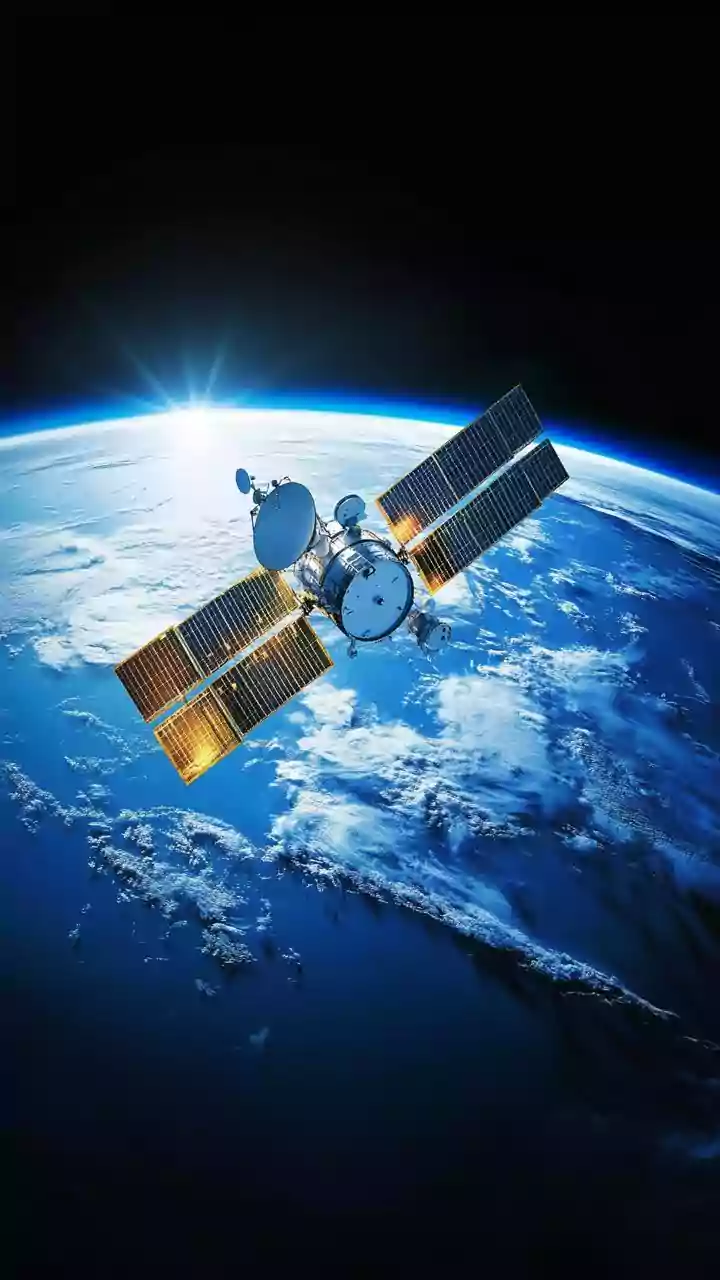
In our increasingly digital world, our reliance on technology makes us vulnerable to space weather. Solar storms can disrupt satellite communications, knock out GPS navigation, damage power grids, and pose a radiation hazard to astronauts. By providing better data and earlier warnings, Aditya-L1 acts as a crucial sentinel. This helps safeguard India's critical space assets and ground-based infrastructure. The mission's findings not only enhance our scientific understanding of the sun-Earth connection but also strengthen India's role in global space research, contributing to a worldwide effort to protect against the sun's more violent outbursts.