





The Importance of Smoke Point
The most crucial factor when cooking with oil is its smoke point—the temperature at which it stops shimmering and starts smoking. When an oil is heated past its smoke point, its fats break down and can release harmful compounds. This not only imparts
a burnt, unpleasant taste to your food but also diminishes the oil's nutritional benefits. A general rule is to match the oil to the cooking method. High-heat methods like deep-frying and searing require oils with high smoke points, while low-heat methods like gentle sautéing or making dressings don't.
For High-Heat Cooking and Frying
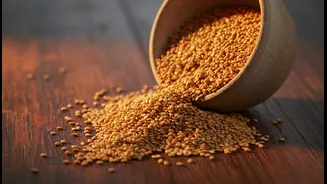
Indian cooking often involves high temperatures for methods like making tadka, deep-frying samosas, or stir-frying vegetables. For these tasks, you need an oil that remains stable. Mustard oil is a traditional powerhouse in North and East India, boasting a very high smoke point of around 250°C, making it excellent for frying and robust curries. Refined groundnut (peanut) oil is another versatile choice with a high smoke point and a neutral flavour that won't overpower your dishes. Other good options include safflower oil, rice bran oil, and refined sunflower oil. While ghee and coconut oil are stable at high heat, their strong flavours make them more suitable for specific regional dishes.
For Everyday Sautéing and Roasting
For everyday cooking like preparing sabzis, bhurjis, or roasting vegetables, you can use oils with moderate smoke points. Cold-pressed mustard oil and groundnut oil are excellent choices here, offering both flavour and health benefits. Coconut oil is a staple in South Indian cooking and is great for sautéing and pan-frying at moderate temperatures. Light or pure olive oil (not extra virgin) is another option that works well for light cooking and sautéing, providing heart-healthy monounsaturated fats without the strong flavour of its extra virgin counterpart.
Finishing Oils for Flavour and Health
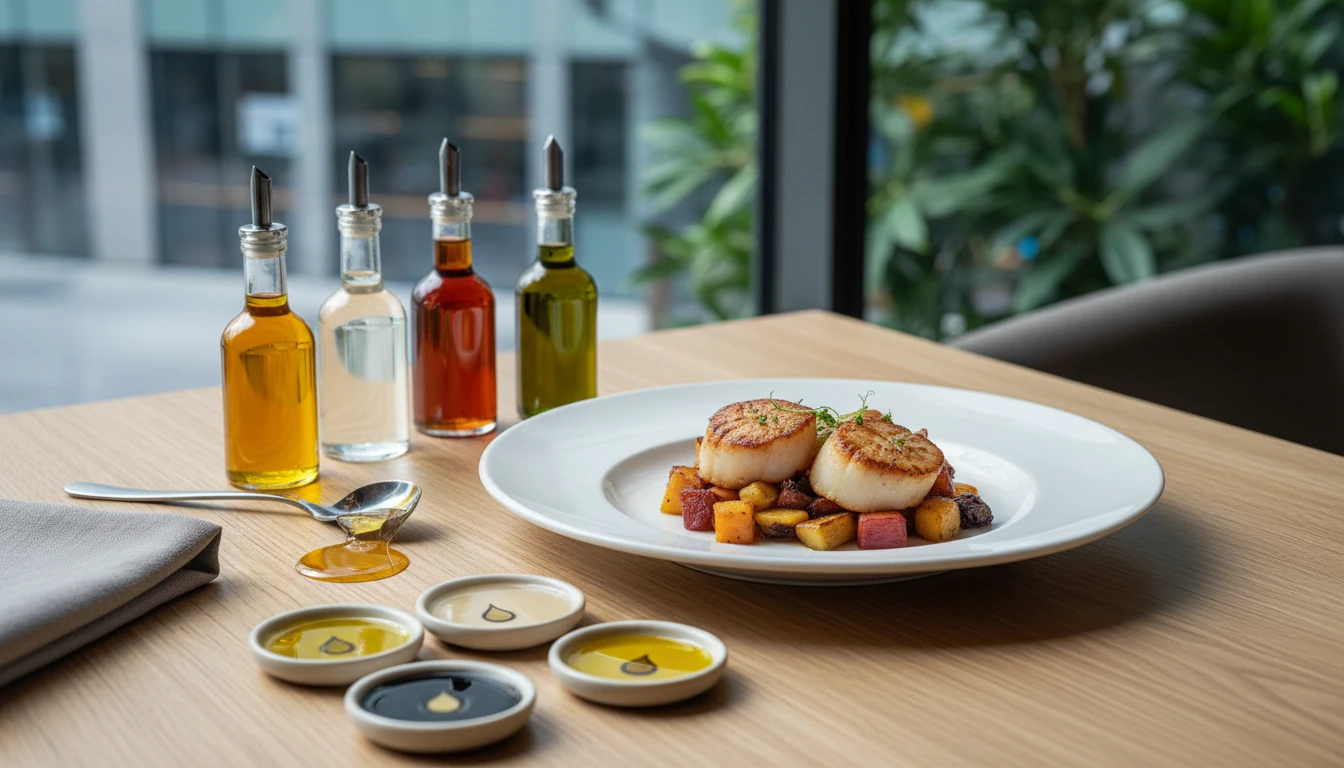
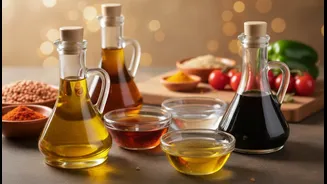
Some oils are best used without any heat at all. These 'finishing oils' are perfect for salad dressings, dips, or drizzling over a finished dish to add flavour and a nutritional boost. Extra virgin olive oil is the star in this category, known for its rich flavour and high antioxidant content. Using it raw preserves its delicate compounds. Similarly, cold-pressed oils like flaxseed oil and walnut oil are rich in beneficial omega-3 fatty acids but are too delicate for cooking and should only be used in cold preparations. Cold-pressed sesame oil can also be drizzled over dishes at the end of cooking for its distinct nutty aroma and flavour.
Building a Healthy Eating Pattern
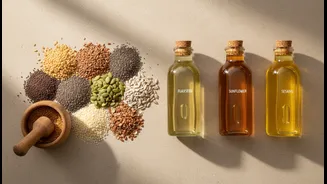
No single oil is the healthiest for every purpose. The best approach for overall health is to use a variety of oils in your kitchen. This strategy helps you get a good balance of different types of fats, such as monounsaturated and polyunsaturated fats, which are beneficial for heart health. For instance, you might use mustard oil for a curry, groundnut oil for frying, and extra virgin olive oil for a salad. This rotation ensures you benefit from the unique nutritional profiles of each oil. Traditional Indian diets naturally incorporated this diversity, with different regions favouring oils from locally grown crops like coconut, sesame, and mustard seeds.