
What Exactly Is Slow Decorating?
Slow decorating is a philosophy, not just a style. It’s the intentional and gradual process of curating a home over time, rather than rushing to fill every corner at once. Think of it as the opposite of a weekend makeover. Drawing inspiration from the 'slow
food' and 'slow fashion' movements, this approach prioritizes quality, longevity, and personal meaning over fleeting trends. The goal isn't to achieve a picture-perfect 'finished' room, but to create a space that evolves organically with you, telling the story of your life through the objects you choose to live with. It champions patience, encouraging you to live in a space, understand its light and flow, and then thoughtfully select pieces that truly resonate.
The Downfall of the Rushed Purchase
The core of the slow-decorating trend is a conscious move away from rushed purchases. For years, the prevailing culture encouraged filling a new home or apartment quickly, often leading to impulse buys that seemed right at the moment but lacked staying power. This 'fast furniture' approach contributes to waste, as pieces are often poorly made and quickly discarded. Beyond the environmental impact, rushed decorating can leave a home feeling impersonal, like a showroom rather than a sanctuary. It often results in a collection of items bought to fill a void, rather than pieces that hold significance or bring genuine joy. By resisting the urge to buy everything at once, you avoid costly mistakes and the inevitable buyer's remorse that comes with settling for 'good enough for now'.
An Exercise in Intentional Curation
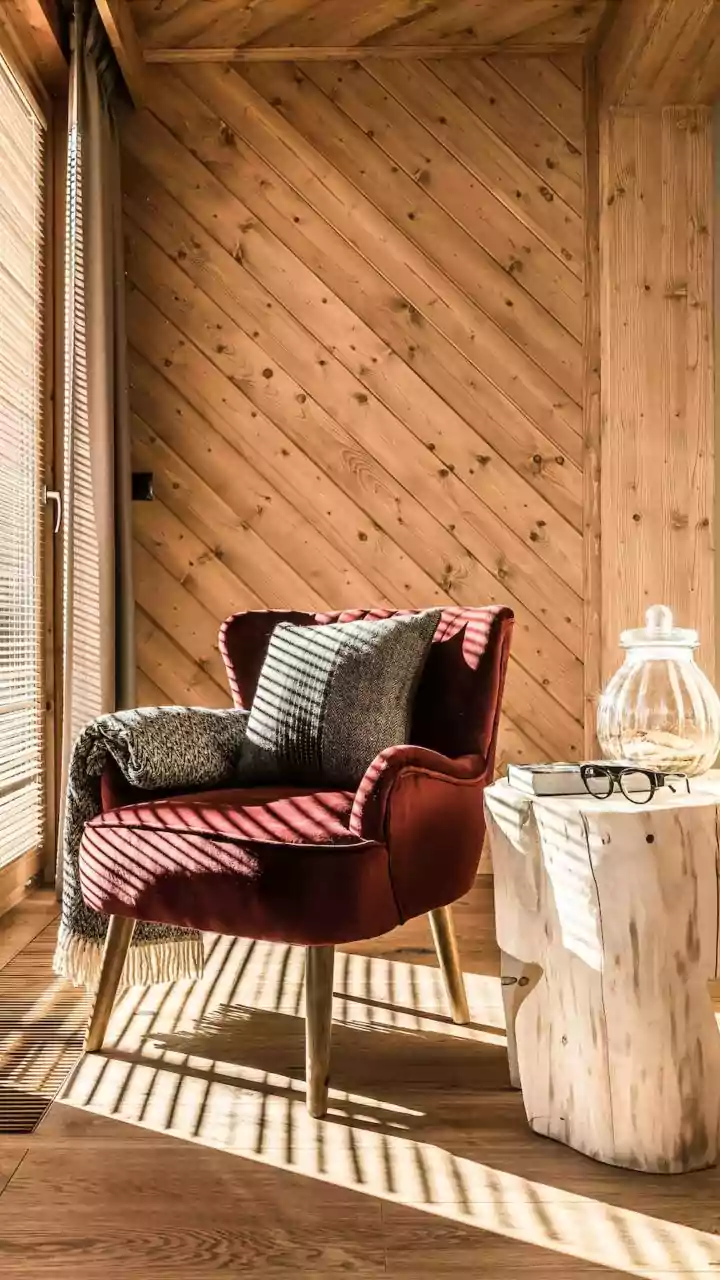
Embracing fewer, more considered purchases transforms decorating from a chore into an act of curation. Slow decorating encourages you to become a collector of your own life. This means saving for that one well-crafted armchair from a local artisan instead of buying a cheap placeholder. It means waiting to find the perfect vintage rug during your travels or inheriting a piece of furniture that comes with family stories. This approach naturally leads to a more unique and layered home, one that reflects your individual taste and experiences. It's about asking critical questions before buying: 'Do I truly need this?' and 'Will I love this in ten years?' This mindful selection process ensures every item has a purpose and a place, contributing to a less cluttered and more serene environment.
Sustainability and a Story-Driven Home
In 2026, sustainability is a major driver of design choices. Slow decorating aligns perfectly with this, as it inherently promotes a more eco-conscious way of living. By investing in high-quality, durable furniture, you're buying pieces meant to last a lifetime, not just a season. This philosophy also champions secondhand shopping, refinishing old items, and supporting businesses with ethical production practices. The result is a home that is not only stylish and personal but also responsible. Each piece, whether it’s a solid wood table built to last for generations or a hand-painted vase from a local market, adds a chapter to your home’s evolving narrative, creating a rich and meaningful backdrop for your life.