
Choose Your Trail Wisely
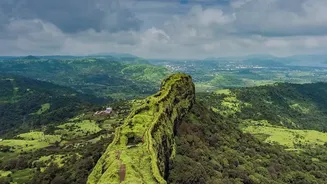
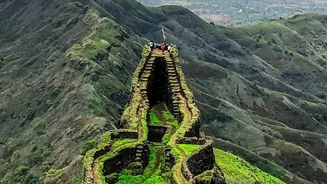
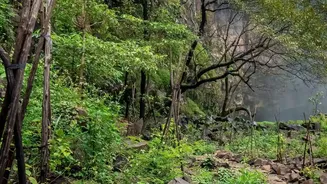
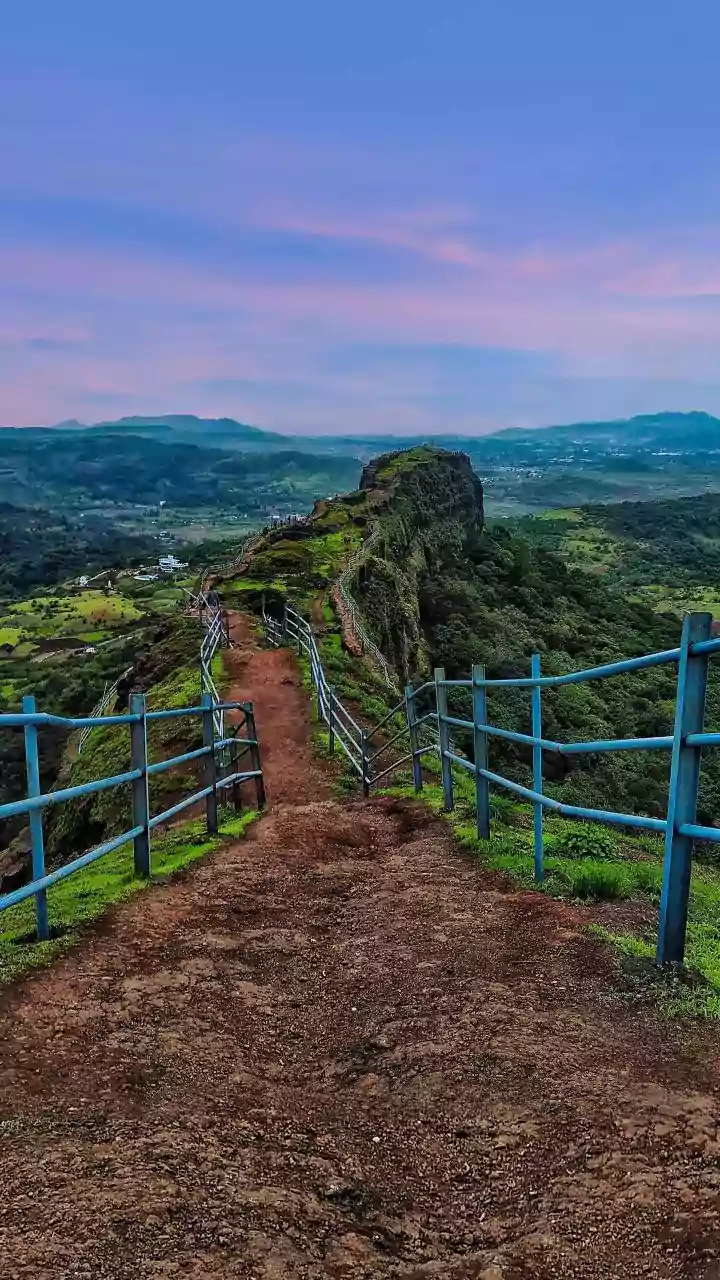
Not all trails are suitable for a monsoon adventure. The biggest dangers are not just the rain, but flash floods in narrow gullies, extremely slippery rock patches, and swollen streams that can become impassable. For beginners, gradual fort trails with
wide paths are safer choices. Avoid routes known for near-vertical climbs, narrow ridges, or those that involve multiple stream crossings. Always check with local authorities or experienced trek organizers about current trail conditions and any potential restrictions before you finalise your plans. Weather can change rapidly in the mountains, so checking the forecast right before you leave is non-negotiable.
Essential Gear: Clothing and Footwear
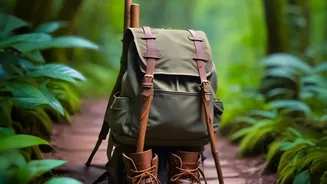
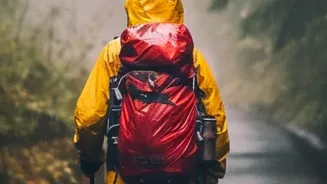
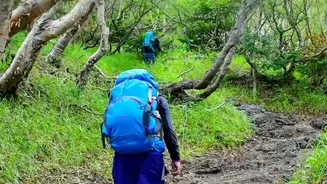
Your clothing is your first line of defence. The golden rule is to avoid cotton entirely, as it absorbs moisture, gets heavy, and takes a very long time to dry, which can lead to discomfort and chills. Instead, opt for lightweight, quick-drying synthetic fabrics. A high-quality waterproof and breathable rain jacket or a poncho that covers you and your backpack is essential. The most critical piece of gear is your footwear. Regular sports shoes or sneakers are a recipe for disaster on wet trails. You need proper trekking shoes with deep grooves (lugs) on the sole for a strong grip on slippery and muddy surfaces. Ankle support is also crucial for stability.
Essential Gear: Your Backpack and Its Contents
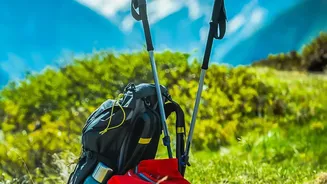
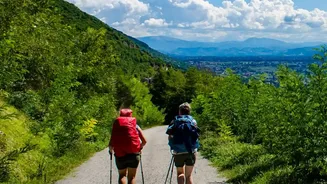
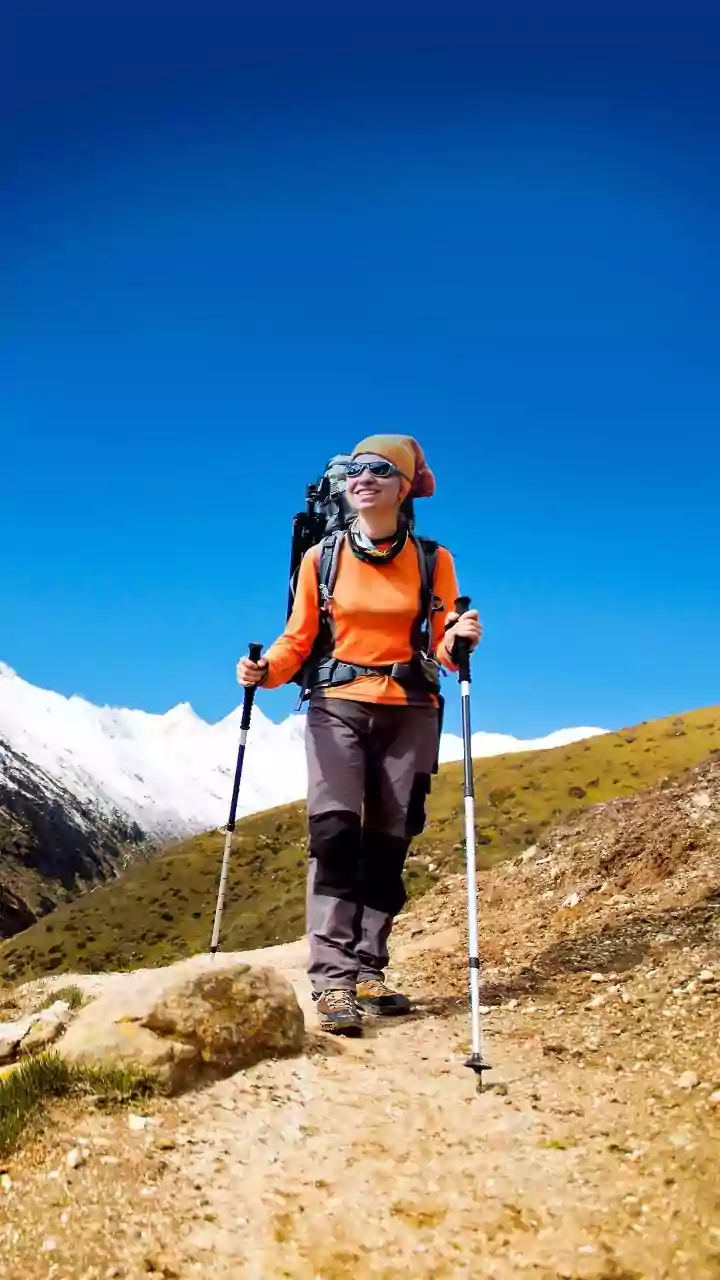
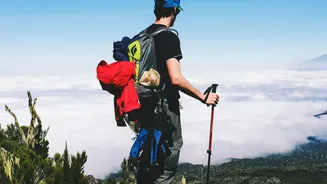
Even a waterproof backpack needs extra protection. Use a rain cover for your pack and pack essential items inside waterproof dry bags or sealed ziplock bags. This includes your electronics, a first-aid kit, and a complete set of dry clothes to change into after the trek. A trekking pole is highly recommended; it provides an extra point of contact with the ground, significantly improving your balance and reducing the strain on your knees, especially during descents on slippery slopes. Your pack should also contain a basic first-aid kit with antiseptic wipes, bandages, pain relief spray, and any personal medications. Pack high-energy snacks and at least two litres of water, as staying hydrated is still important in the cool weather.
Navigating Trail Hazards
Monsoon trails require your full attention. Walk slowly and deliberately, watching every step you take on wet rocks and muddy patches. Leeches are a common annoyance in the Western Ghats during this season. While generally harmless, they can be unsettling. To prevent them, wear full-length trousers and tuck them securely into your socks. Anti-leech socks, which are tightly woven and go up to the knee, are also a great investment. If you find a leech on you, don't panic or pull it off forcefully. Instead, break its suction by sliding a fingernail under its mouthpart or by sprinkling salt on it, after which it will drop off.
Safety Protocols and Emergency Preparedness
Always trek in a group and follow the instructions of your trek leader if you have one. Before you leave, inform someone of your detailed itinerary and your expected time of return. Start your trek early in the day to take advantage of better weather and visibility, and to ensure you finish well before dark. Be prepared to turn back if conditions worsen. Heavy, continuous rain, rising water levels in streams, or dense fog are all serious red flags. Never attempt to cross a fast-flowing stream where you cannot see the bottom. Carry a fully charged phone and a power bank, a headlamp with extra batteries, and an emergency whistle. Knowing when to abandon the plan is a sign of an experienced trekker, not a failed one.