





The Sanctity of the Handed-Down Recipe
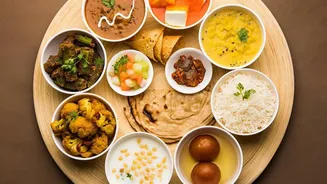
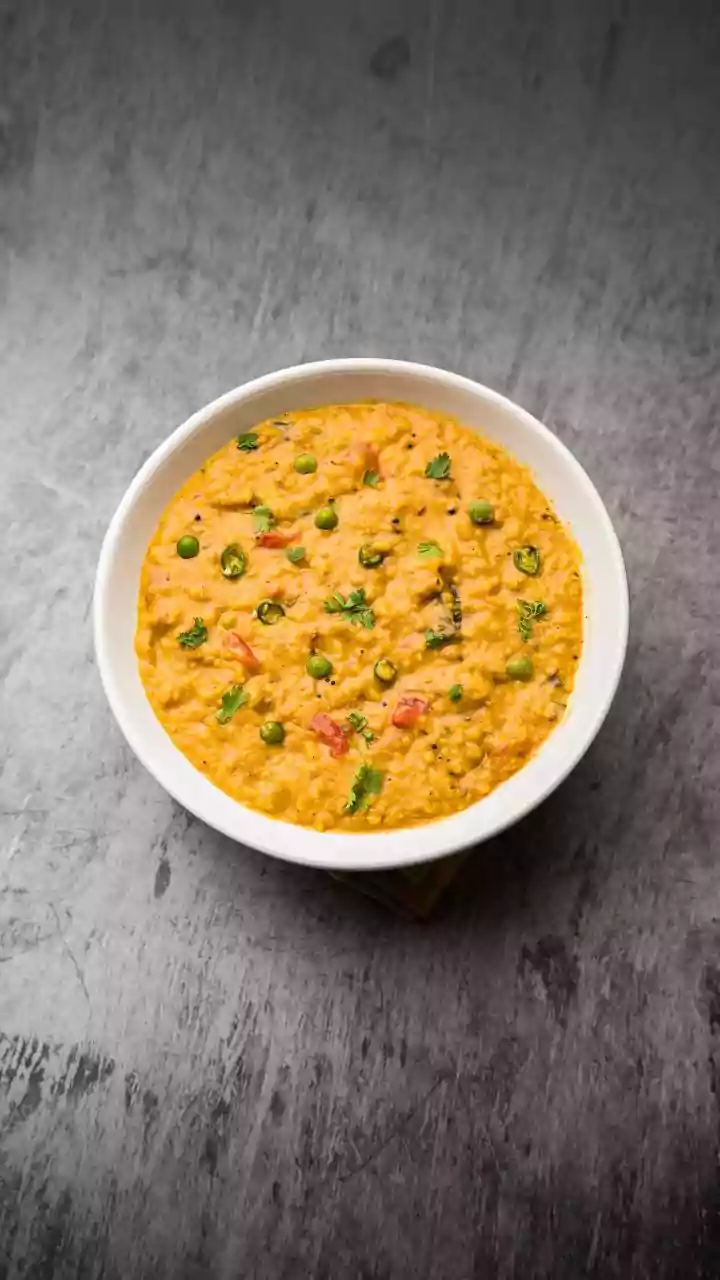
In many Indian households, a recipe is more than a set of instructions; it is a legacy. It’s the precise measure of turmeric in a dal, the specific sequence of spices for a biryani, or the texture of a chutney passed down from a grandparent. These culinary
traditions are deeply intertwined with identity, memory, and a sense of belonging. For decades, the goal of a good cook was replication—to perfectly recreate the flavours of their childhood. To deviate was often seen as a sign of disrespect, a failure to honour the painstaking efforts of those who came before. This reverence for authenticity has been a cornerstone of preserving India's vast and diverse culinary heritage. Each region, and indeed each family, holds its recipes as a unique cultural fingerprint.
The Forces Driving a Culinary Rethink
Today, the foundations of this rigidity are being gently but persistently shaken. Several factors are contributing to this shift. A new generation of health-conscious eaters is looking to adapt recipes to be lower in oil, salt, and fat. Urban professionals, pressed for time, are turning to modern appliances like air fryers and Instant Pots, which require different techniques than traditional slow-cooking methods. Furthermore, a vibrant online community of food bloggers and social media creators has democratised culinary experimentation. Influencers like Meeta Arora of Piping Pot Curry and Archana Mundhe of Ministry of Curry are showing millions how to create traditional flavours that fit modern lifestyles, often with a global twist. This digital-first approach encourages adaptation and sharing, presenting recipes not as rigid rules but as flexible frameworks.
Redefining 'Authentic'
This fresh scrutiny is forcing a conversation about what “authenticity” truly means. Many chefs and food historians argue that Indian cuisine has never been static. Its history is one of constant evolution, shaped by migrations, trade, and invasions. The Mughals, the Portuguese, and the British all introduced new ingredients and techniques that were absorbed and Indianised over centuries. Seen in this light, today's changes are not a corruption of tradition, but a continuation of it. Modern chefs argue they aren't abandoning tradition but reinterpreting it. The goal is to evoke the emotion and flavour profile of a classic dish, even if the presentation or method is new. This shift is from rigid replication to capturing the essence of a dish.
Innovation with Respect
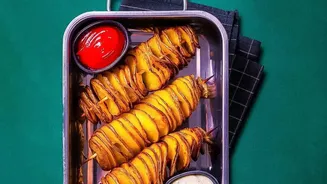
The most compelling examples of this trend don't erase tradition but build upon it with confidence. Chefs are diving deeper into micro-regional ingredients, celebrating heirloom grains and local produce that were previously overlooked in mainstream restaurant menus. They are using modern techniques like sous-vide to enhance, not replace, the flavour profiles of slow-cooked classics. At home, the changes are more practical but no less significant. It might mean making a gluten-free version of a beloved flatbread, creating a vegan tikka masala, or simply finding a way to make a weeknight curry that is both delicious and quick. The focus is on making Indian food more accessible and inclusive without losing its soul.
The Fear of Losing Heritage
Of course, not everyone is comfortable with this culinary flexibility. There is a valid concern that in the rush to modernise, essential techniques and flavour complexities could be lost. Some critics worry that excessive fusion and deconstruction might dilute the very essence of what makes Indian food unique, creating dishes that are innovative but lack the heart of the original. The worry is that as recipes become more fluid, the deep-rooted cultural stories they carry might fade. This tension highlights the dual responsibility of today's culinary guardians: to innovate while also preserving the warmth, emotion, and tradition that make Indian cuisine so revered.