

The Science of Seeing Space
The feeling of a room being 'small' or 'large' is a matter of perception, and light is the primary artist. Our brains are wired to associate brightness with openness. Well-lit environments with soft, evenly distributed light reduce the harsh shadows that
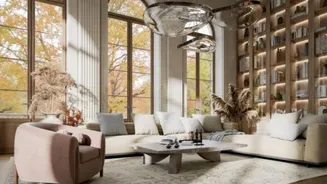
can make a space feel confined and cramped. When light fills a room, it minimizes dark corners and makes the boundaries—the walls and ceiling—seem to recede. This creates an immediate sense of airiness and calm. Natural light, with its full spectrum of colour, also allows us to see textures and hues more accurately, making the entire space feel more vibrant and defined. Ultimately, a bright room reads as a larger, more welcoming space because our eyes can take it all in without obstruction.
Let the Sunshine In
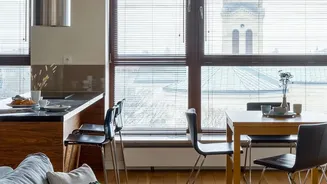
To harness the space-expanding power of light, your first job is to maximize what you get naturally. This starts at the windows. Heavy, opaque curtains can stop light in its tracks, so consider swapping them for sheer or translucent fabrics that diffuse sunlight softly throughout the room. If you have plants or furniture blocking a window, relocating them can make a dramatic difference. The colour of your walls also plays a crucial role. Light, neutral shades like white, cream, and soft grey are excellent reflectors, bouncing daylight around the room to enhance its brightening effect. The goal is to create an unobstructed path for sunlight to travel, turning your apartment into a light-filled space that feels instantly more expansive.
The Magic of a Well-Placed Mirror
Mirrors are the most powerful tool for amplifying light and creating the illusion of depth. Think of a mirror as a second window. When placed strategically, it doesn't just reflect light; it reflects the view, tricking the eye into seeing a space that extends far beyond the wall. The most effective placement is often directly opposite a window. This not only doubles the amount of natural light but also brings a sense of the outdoors inside, blurring the line between your apartment and the world beyond. Even a small, dark hallway can be transformed by a full-length mirror, which can make the narrow passage feel wider and brighter by bouncing light into its darkest corners.
Thinking Beyond the Mirror
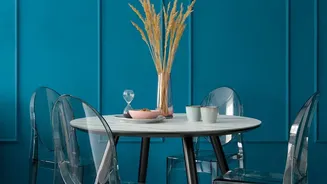
While mirrors are essential, 'glass surfaces' include a wide range of furniture and decor that can contribute to a lighter, more open feel. Transparent furniture, such as a glass coffee table, acrylic console, or floating glass shelves, works wonders in small spaces. These pieces provide full functionality without adding visual weight; because you can see through them, they appear to take up almost no space at all. This preserves sightlines and allows light to pass through them, preventing the cluttered feeling that can come from too much bulky, solid furniture. Even small touches like glass cabinet doors, picture frames, or a glass backsplash in the kitchen can contribute to the effect by reflecting light and adding a sleek, modern touch.
Putting It All Together
The real artistry comes from combining these elements. Place a glass-topped dining table near a window to catch and reflect the light. Position a large, statement mirror in a living room to act as a focal point that also makes the room feel double its size. Use a set of smaller mirrors arranged in a gallery wall to break up a solid surface and bounce light in multiple directions. The key is to think about how light moves through your home and use reflective and transparent surfaces to guide it. By pairing a light wall colour with a strategically placed mirror and a transparent coffee table, you are creating a layered effect of brightness and reflection that collectively makes your apartment feel significantly larger, airier, and more comfortable.