



Choose Accessible, Well-Connected Destinations
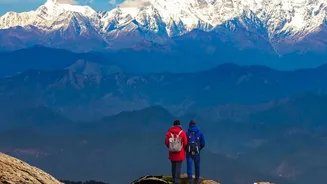
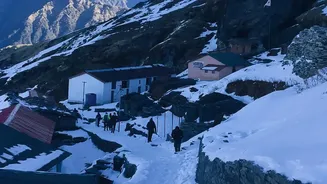
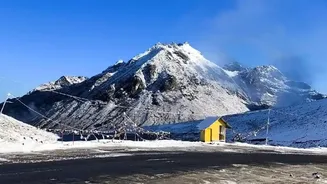
The first step is picking a location that balances Himalayan beauty with comfort and accessibility. Instead of remote, high-altitude treks, opt for established hill stations with good infrastructure. Destinations like Shimla, Manali, Nainital, and Darjeeling
are excellent choices. These towns offer a blend of stunning scenery, comfortable hotels, and reliable medical facilities. They are well-connected by road, and some, like Shimla, feature the famous toy train, which is an attraction in itself for both kids and seniors. When booking, prioritise hotels that have heating, easy access (fewer stairs), and are centrally located to minimise exhausting travel for daily sightseeing.
Prioritise Health, Safety, and Acclimatisation
High altitude affects everyone, but children and older adults can be more susceptible to Acute Mountain Sickness (AMS). AMS symptoms include headaches, nausea, dizziness, and fatigue. The best prevention is gradual acclimatisation. Plan your itinerary to avoid rapid gains in elevation, and schedule a rest day upon arrival. Before you travel, consult a doctor regarding the fitness of all family members, especially those with pre-existing conditions like heart or lung issues. Pack a first-aid kit with basics like pain relievers, medication for nausea, and any personal prescriptions. It's also wise to ask your doctor about acetazolamide (Diamox), a medication that can help prevent altitude sickness.
Pack Smart: The Art of Layering
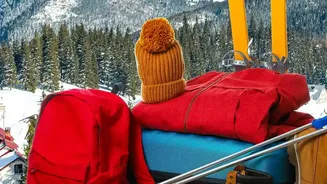
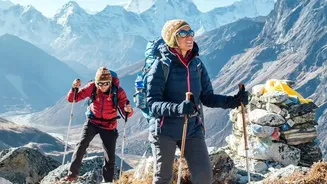
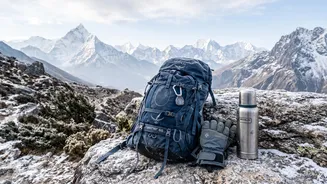
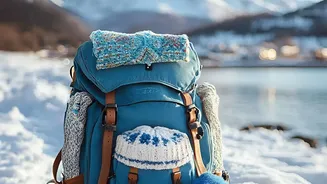
Staying warm and dry is crucial for an enjoyable trip. The key is layering, which allows everyone to adjust to fluctuating temperatures. Instead of one bulky jacket, pack three core layers: a thermal base layer to wick sweat, a fleece or sweater for insulation, and a waterproof, windproof outer jacket. For children, all-in-one snowsuits and waterproof mittens are fantastic. For seniors, thermal innerwear, warm woollen socks, and comfortable, non-slip walking shoes are essential. Don't forget sun protection—UV rays are stronger at high altitudes. Sunscreen (SPF 50+), UV-protection sunglasses, and lip balm with SPF are non-negotiable for all ages.
Plan Low-Impact, High-Enjoyment Activities
A multi-generational trip thrives on shared experiences that everyone can enjoy. Swap strenuous treks for gentle, engaging activities. Think scenic drives to viewpoints, short nature walks on well-defined paths, and enjoying the local culture. In places like Shimla and Manali, you can enjoy snowball fights, build a snowman, or take a pony ride. The Kalka-Shimla toy train offers breathtaking views without physical exertion. Many destinations also have accessible monasteries, local markets for leisurely strolls, and cosy cafes perfect for warming up with a hot drink. Activities like sledging or snow tubing in supervised areas can be fun for kids and manageable for active seniors.
Keep Travel Days Short and Comfortable
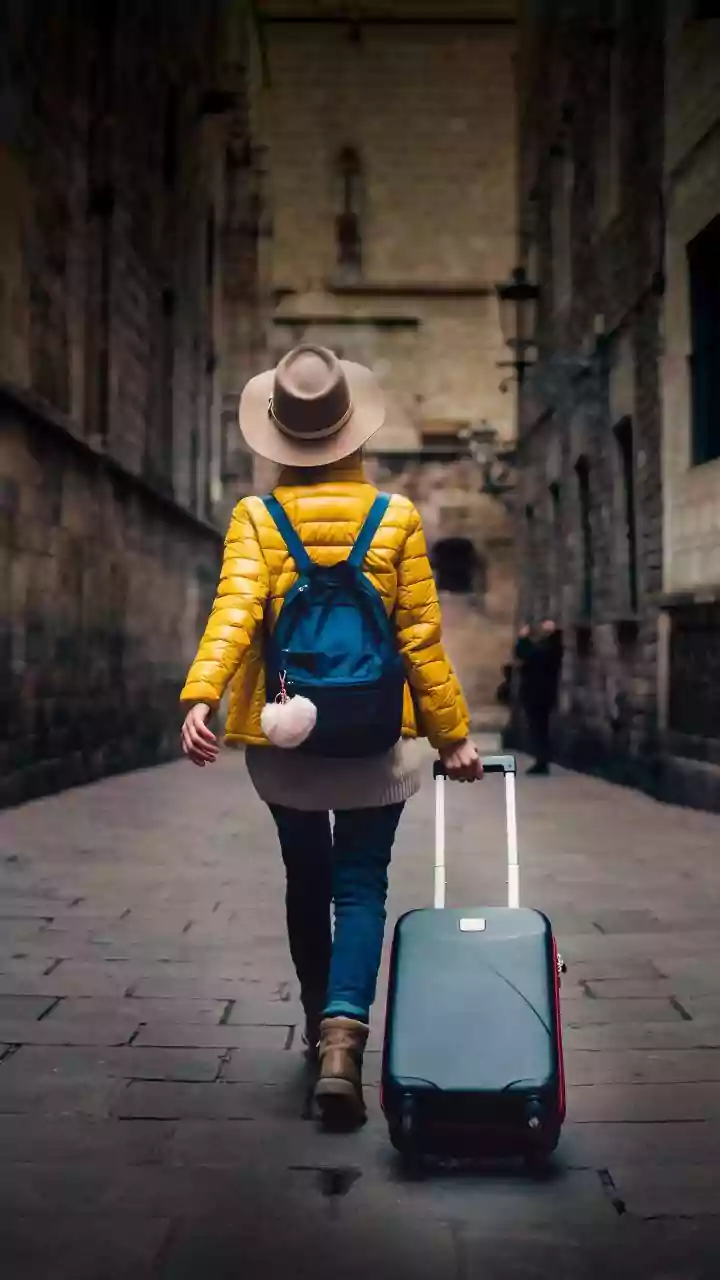
Long road journeys in the mountains can be tiring for everyone. When planning your itinerary, aim for shorter travel days and break up long drives with overnight stays. Hiring a comfortable, private vehicle with a reliable driver is often a worthwhile investment. It provides the flexibility to stop for breaks whenever needed and ensures a more relaxed pace. Ensure the vehicle has enough space for both luggage and passengers to sit comfortably. When travelling between destinations, like from Shimla to Manali, check the road conditions in winter and plan for a comfortable journey rather than a rushed one.